

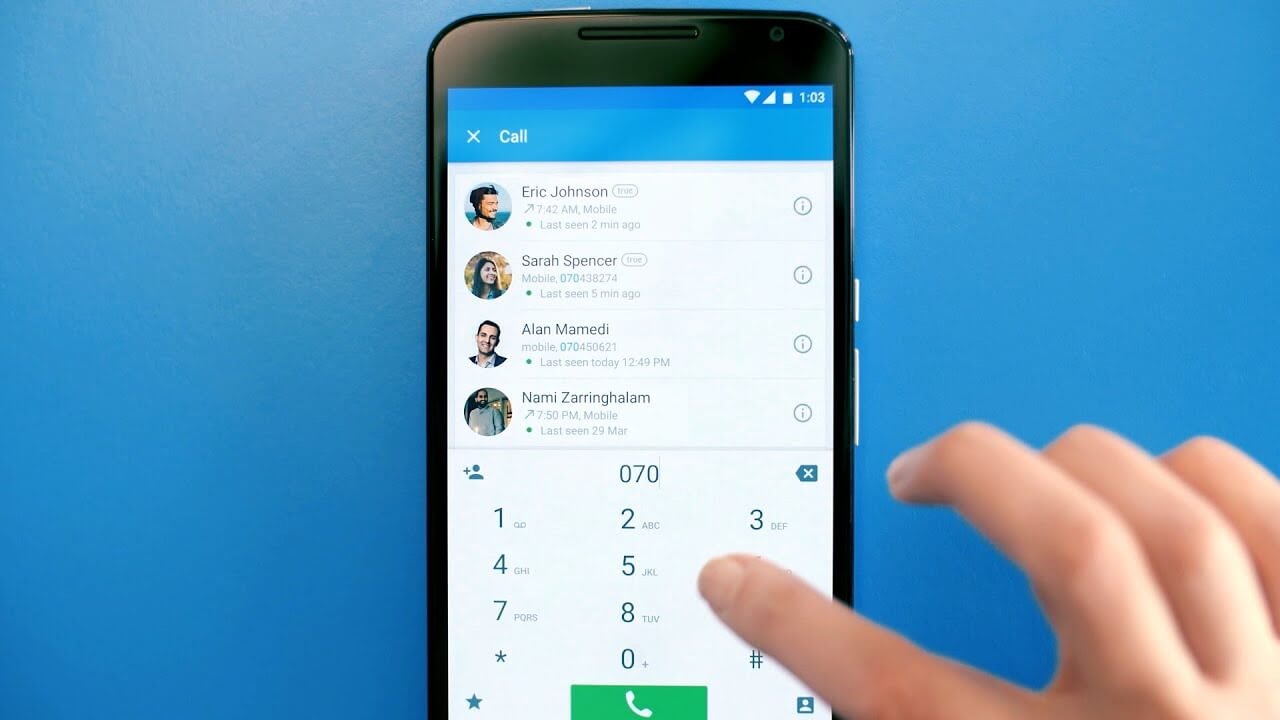
The recent Truecaller CEO TRAI criticism highlights a growing dispute over how telemarketing calls are managed on mobile devices in India. The controversy began after the Telecom Regulatory Authority of India requested MeitY special regulatory powers to oversee digital communication platforms. According to a report from The Economic Times, the proposed framework would allow the regulator to take punitive action against applications like Truecaller, Hiya, and Whoscall. The authority alleges that these platforms wrongfully restrict numbers starting with the 140 and 1600 series.
Truecaller Chief Executive Officer Rishit Jhunjhunwala publicly challenged the regulatory approach, stating that the policy shields bad actors instead of protecting consumers. The executive noted that a previous directive implemented in late 2025 already prohibited the app from showing Truecaller spam reports India against these specific corporate series. This restriction left the platform unable to label the commercial lines as spam despite ongoing user complaints. The executive described the latest push for TRAI call management app regulation as highly counterproductive for regular subscribers.
Users Overwhelmingly Reject Verified Commercial Series
Data shared by the company executive shows that the restriction on spam labels caused a sharp decline in call answer rates. Approximately five point one crore calls originating from the 140 and 1600 series go unanswered in India on a daily basis. Over the last eight months, users ignored 81 percent of calls from the 140 telemarketing series and 79 percent from the 1600 transactional series.
Furthermore, individual subscribers have shifted from ignoring calls to actively ensuring that problematic telemarketer phone numbers blocked statistics continue to rise. The company disclosed that users manually blocked more than seven point four crore numbers from these two series over the eight-month period. The platform currently registers an average of five point two five lakh manual blocks against these specific commercial series every single day.
Alternative Badges and Long-Term Policy Impact
To navigate the existing regulatory restrictions while protecting consumers, the app developed an alternative identification system. The platform implemented a frequently blocked badge Truecaller integration for the 140 and 1600 series instead of a standard spam tag. The executive argued that the regulator’s push for deeper enforcement censors community information and harms legitimate businesses by driving down overall answer rates.
The ministry has not announced a final decision regarding the request for expanded regulatory powers. For now, the call management platform continues to utilize alternative alert badges while user block rates for the commercial series remain high.
For the latest tech news, follow TelecomByte on X, Facebook and Google News.
