

TRAI Bars Call Management Apps From Blanket-Tagging 140, 1600 and 1601 Numbers
TRAI has tightened India’s spam-call framework by restricting call-management apps from blanket-tagging, blocking or filtering calls originating from designated commercial number series, while requiring spam reports submitted through such apps to be routed into the telecom industry’s regulatory complaint system.
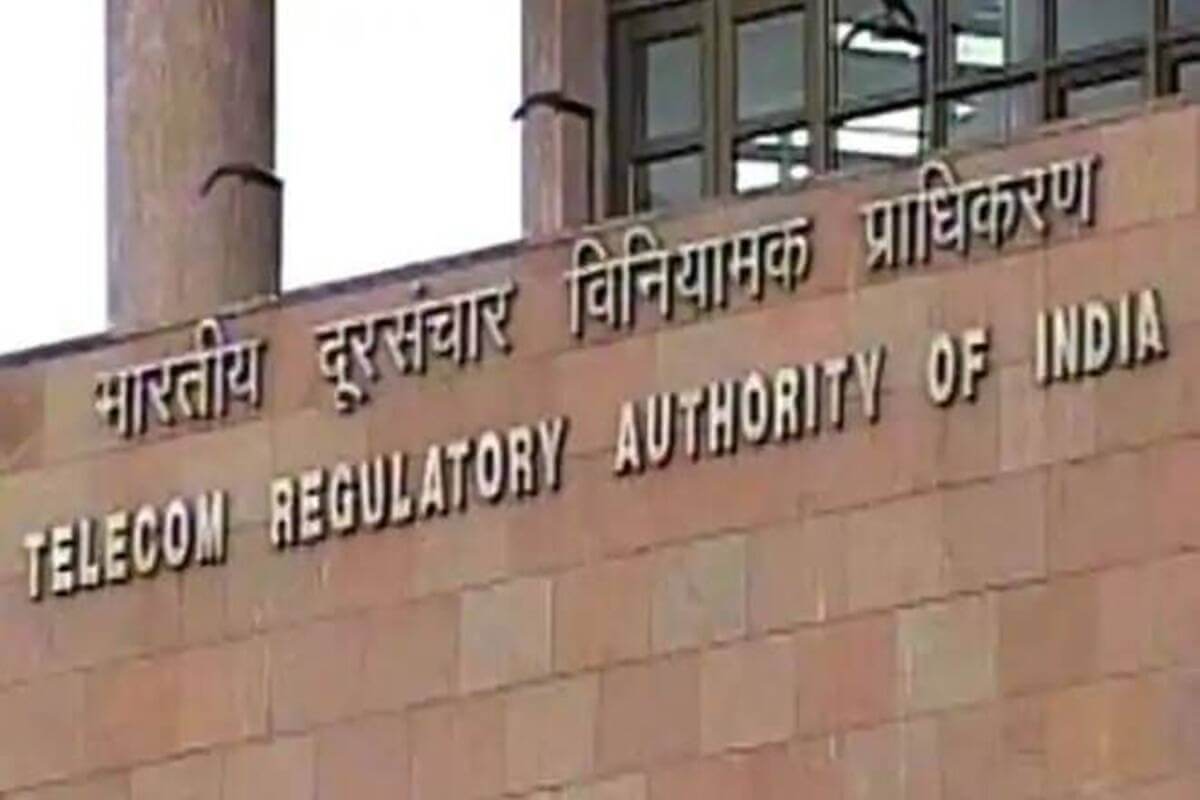
The Telecom Regulatory Authority of India has formally notified the Third Amendment to the Telecom Commercial Communications Customer Preference Regulations, 2026, bringing new rules for call-management applications, automated commercial calls and spam detection. The amendment was listed by TRAI on September 18 and expands the regulatory framework as telecom operators increasingly use AI-based systems and third-party applications to identify suspected spam.
Call Management Apps Cannot Blanket-Block Designated Numbers
Under the amended framework, call-management applications and similar services cannot blanket-tag, block, filter or otherwise restrict calls from number series designated for commercial communications. The rule is intended to prevent legitimate calls from regulated businesses and government entities from being automatically treated as spam simply because they originate from a particular numbering range.
The restriction applies to blanket treatment by applications rather than preventing consumers from controlling calls on their own devices. Individual users can continue to block or manage specific numbers according to their personal preferences, meaning the new rule does not remove a consumer’s ability to reject unwanted calls.
The regulation is particularly relevant to third-party caller-identification and call-management services that use crowdsourced reports and automated filtering to identify suspected spam. TRAI’s framework seeks to ensure that designated numbering series are not automatically treated as spam at the application level when those numbers are being used for regulated commercial or official communications.
What the 140, 1600 and 1601 Series Mean
The 140 series is used for promotional commercial communications, while the 1600 series is designated for service and transactional calls from regulated BFSI entities and for government-to-citizen communications. TRAI has separately clarified that calls originating from the 1600 series should not be tagged, blocked or filtered.
The 1601 series is a newer designated range for service and transactional voice calls from entities in sectors other than BFSI and government. TRAI issued a direction on August 10, 2026, covering the allocation and operationalisation of the 1601 numbering series under the TCCCPR framework.
This distinction is important because the three numbering ranges do not represent the same type of communication. The 140 series is primarily associated with promotional calls, while 1600 and 1601 are intended to identify service and transactional communications, with the applicable sectoral use determined by TRAI’s numbering framework.
Spam Reports From Apps Must Enter the Regulatory System
The amended framework also addresses what happens when users report calls as spam through call-management applications. Apps that allow users to report Unsolicited Commercial Communication, including through labels such as spam or junk, are required to send those reports in the format and manner specified by TRAI to the DND registry maintained by access providers.
The objective is to connect user-generated reports from call-management applications with the telecom operators’ existing regulatory systems for identifying and taking action against suspected spammers. TRAI’s consultation documents had proposed that these reports be integrated with the operators’ DLT-based systems so that information from applications could be corroborated with telecom-network intelligence and formal UCC complaints.
This creates a different model from simply allowing an application to maintain its own independent spam database. Reports generated by users through participating applications can feed into the regulated telecom ecosystem, where operators can use them alongside other information to identify potential misuse of telecom resources.
AI-Based Spam Detection Also Gets Regulatory Backing
The call-management provisions form part of a wider set of anti-spam changes introduced by TRAI. The amended framework requires telecom service providers to use AI and machine-learning capabilities to identify numbers with a high probability of being used for spam and to share relevant information between operators.
TRAI has also lowered the threshold for certain enforcement action. Under the updated framework, operators can act when at least three unique complaints are received within 10 days and the sender’s number is also flagged as suspected spam by the relevant AI-based detection system. Where multiple customer-line identities associated with a sender are flagged, further measures can include KYC re-verification or disconnection, depending on the circumstances.
The combination of AI-based network detection and application-generated reports gives telecom operators additional sources of information for identifying suspected UCC. It also moves more spam-management activity towards a common regulatory framework rather than leaving classification entirely to individual applications.
New Rules Also Cover Automated and Robocalls
The latest amendments extend beyond caller-identification applications. TRAI has brought application-to-person, automated and robocalls under a more structured regulatory framework, requiring relevant commercial automated calls to be declared to the access provider. Undeclared A2P calls can be treated as unsolicited commercial communication.
The framework also introduces a termination charge of up to 5 paise per minute for certain A2P calls, subject to specified exemptions. Calls made using designated commercial numbering resources such as 140 and 1600 are among the categories covered by the stated exemptions.
For businesses, the changes mean that automated voice communication cannot simply be treated as an unregulated extension of conventional customer calling. Numbering, declaration, sender registration and spam-compliance requirements are increasingly being tied together within TRAI’s commercial communications framework.
What Changes for Truecaller and Similar Apps
For users, the immediate practical distinction is between individual call control and blanket application-level treatment. A consumer can still block a particular caller or number through a compatible application, but an app cannot use a designated numbering series as the basis for automatically treating every call from that series as spam.
For call-management platforms such as Truecaller and other third-party caller-identification services, the amended framework means their spam-reporting and filtering functions have to operate within the regulatory requirements applicable to designated commercial numbers. The rules therefore affect how these applications can handle regulated numbering series rather than eliminating their broader caller-identification or spam-reporting functions.
The changes also create a closer link between crowdsourced spam information and telecom-network enforcement. Instead of relying only on an application’s own database, reports can be incorporated into the access providers’ regulatory systems, where they can be considered alongside network-level AI detection and formal UCC complaints.
TRAI’s latest amendments therefore establish a more coordinated approach to India’s spam-call problem. The framework continues to give consumers control over individual calls while placing limits on blanket application-level filtering of designated commercial and official number ranges, with telecom operators taking a larger role in combining reports, AI detection and regulatory enforcement.
