

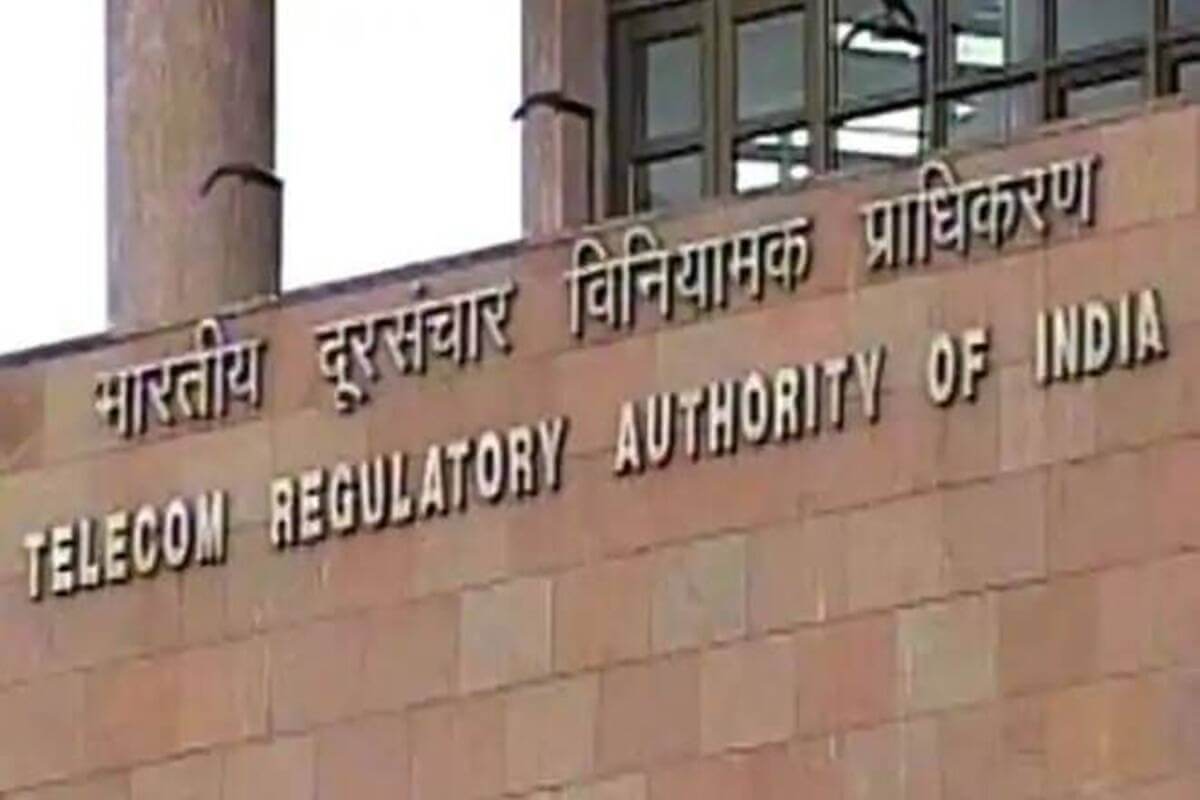
The newly enforced TRAI 1600 number series protection establishes strict operational guidelines for digital call management apps operating in India. The Telecom Regulatory Authority of India issued a comprehensive directive confirming that third-party applications are legally barred from blocking, filtering, or modifying incoming alerts from these verified lines. The decision aims to shield critical transactional alerts from accidental filtration by community-driven databases.
The regulator explicitly designated the system to host essential banking transactional calls India from public institutions and major corporations. The infrastructure serves entities regulated by the Reserve Bank of India, SEBI, IRDAI, and PFRDA, alongside standard government-to-citizen information portals. By restricting third-party modifications, the policy change ensures that citizens receive official notifications without automated software interference.
Distinguishing Crucial Service Dials From Commercial Advertisements
The official guidelines establish a clear distinction between administrative alerts and standard corporate sales outreach. While the protected 1600 series handles account balances, verification codes, and civic updates, promotional material must utilize the 140 series. The regulatory body stated that separating these categories prevents public confusion regarding the legitimacy of incoming business communications.
According to the issued text, call management apps regulation extends to both phone series regarding independent labels. The authority noted that custom community tagging often misleads subscribers who want to receive specific financial updates. Consequently, alternative applications are prohibited from applying generic fraud alerts to registered commercial lines, leaving official consumer registries as the sole method to block telemarketer numbers legally.
Industry Disagreements and Consumer Management Alternatives
The implementation of the strict framework has sparked debate among prominent digital platform operators. Truecaller corporate executives publicly questioned the restrictions, highlighting a significant increase in user attempts to block the corporate lines manually. The company reported that millions of daily dials from these series currently go unanswered due to rising user skepticism over unfamiliar corporate contact attempts.
To handle the Truecaller spam tags controversy, tech developers have integrated alternative notification systems like specialized frequently blocked indicators. These tools inform the mobile recipient about high community block rates without directly violating the core rules regarding official label bans. The central authority continues to direct users toward the native Do Not Disturb registry settings to manage general marketing preferences cleanly.
The government has not specified any immediate changes to the system boundaries for the rest of the current fiscal year. For now, the legal immunity for verified financial and government lines remains standard across all licensed domestic mobile telecom networks.
For the latest tech news, follow TelecomByte on X, Facebook and Google News.
