

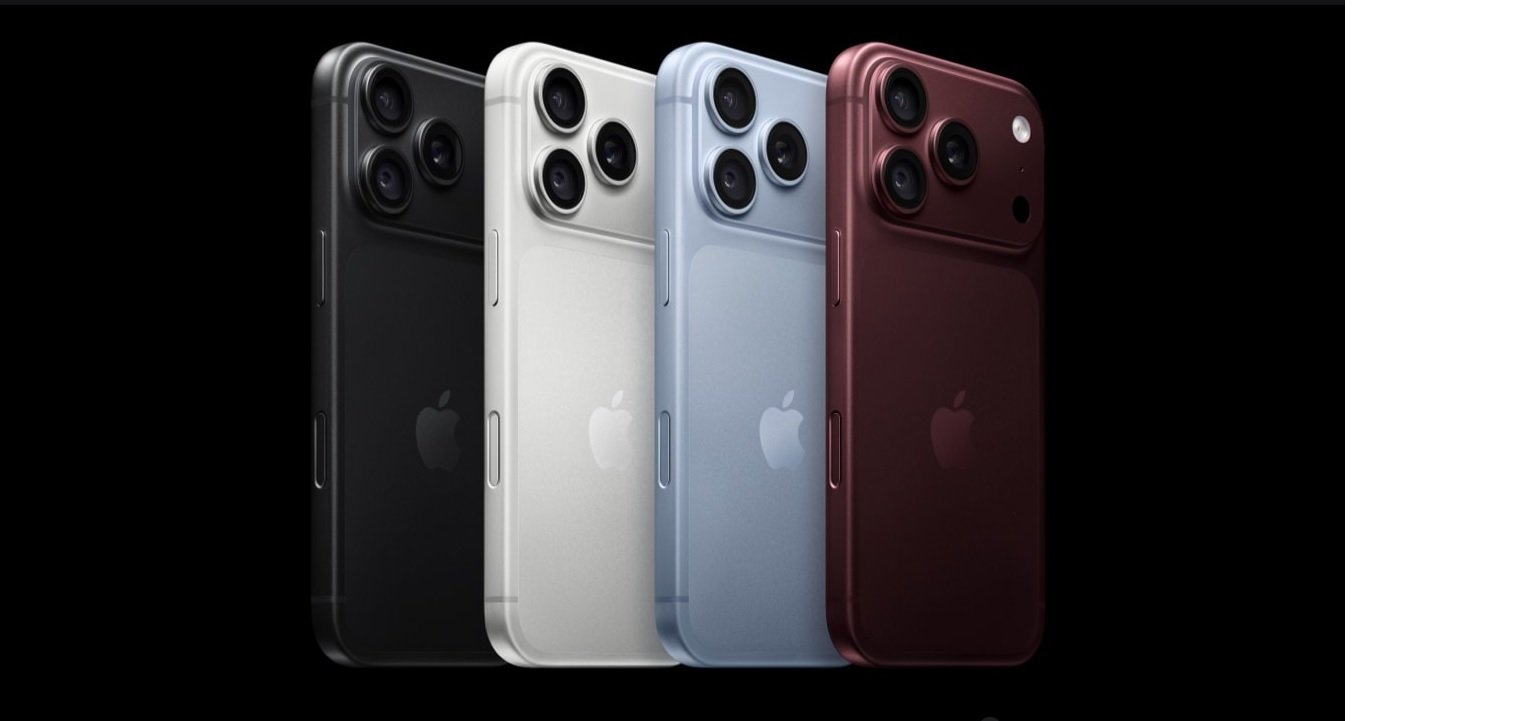
Apple’s iPhone 18 Pro and iPhone 18 Pro Max have taken India’s quick-commerce market beyond groceries and everyday essentials, with Blinkit, Zepto, Swiggy Instamart and BigBasket offering the new Pro models for rapid doorstep delivery on launch day.
Some customers in major Indian cities were able to receive the latest iPhones in around 10 minutes, while others faced delivery times of around 10 to 15 minutes depending on location and inventory. The launch provides an early example of quick-commerce platforms being used to distribute premium smartphones at the same time as Apple’s conventional retail channels.
iPhone 18 Pro Comes to Quick-Commerce Apps
The iPhone 18 Pro and iPhone 18 Pro Max went on sale in India on September 18, and quick-commerce platforms were ready with the devices across selected cities.
Blinkit listed the Pro models across Delhi-NCR, Mumbai, Bengaluru, Hyderabad, Chennai, Pune, Kolkata, Ahmedabad, Jaipur and Lucknow. Zepto offered them in Delhi-NCR, Mumbai, Bengaluru and Chennai, while Swiggy Instamart and BigBasket also participated in the launch-day rollout.
The availability was linked to local inventory, meaning the same iPhone configuration could be available for immediate delivery in one area but unavailable or sold out in another.
Some iPhone 18 Pro Buyers Got the Phone in About 10 Minutes
The headline attraction was delivery speed.
Reports from launch day indicate that some customers received their iPhone 18 Pro or iPhone 18 Pro Max in approximately 10 minutes. Depending on the platform, location and stock position, delivery times could extend to around 15 minutes.
This creates a very different launch-day buying experience from the traditional Apple Store queue or a scheduled e-commerce delivery.
Instead of travelling to a store, customers could place an order through an app they already use for everyday purchases and have the flagship smartphone delivered to their home.
BigBasket Delivered More Than 300 iPhones in One Hour
BigBasket provided one of the clearest indicators of early demand.
The company said it had delivered more than 300 iPhone 18 Pro and iPhone 18 Pro Max units during the first hour after sales opened at 8am on September 18. That works out to more than five devices being delivered every minute during that first hour.
The iPhones were sold through BigBasket’s Electronics Store, with Croma supplying the product assortment while BigBasket handled fulfilment and last-mile delivery.
The launch therefore combined the inventory and retail expertise of an established electronics chain with the delivery infrastructure of a quick-commerce platform.
Bengaluru Leads Instamart iPhone 18 Pro Orders
Swiggy Instamart also reported strong early activity for the new iPhones.
According to the platform, Bengaluru recorded the highest number of iPhone 18 Pro series orders, followed by Delhi. The Burgundy iPhone 18 Pro with 256GB storage was the most popular configuration on Instamart and accounted for nearly one-third of its iPhone 18 Pro series sales.
The preference for a specific colour and storage configuration also highlights one of the limitations of rapid electronics delivery: inventory can become uneven very quickly when a new flagship launches.
Stock Started Becoming Patchy
The rapid delivery experience did not mean that every customer could immediately get every iPhone variant.
Within hours of the launch, some quick-commerce platforms and individual delivery zones had already run out of certain iPhone 18 Pro configurations. Other locations continued to show stock and delivery slots.
This is particularly important for Apple’s Pro models because the lineup has multiple storage capacities and colours.
For customers seeking a specific combination, conventional Apple retail stores, authorised resellers and large e-commerce platforms can therefore remain important alternatives when local quick-commerce inventory runs out.
iPhone 18 Pro Starts at Rs 1,64,900
The rapid-delivery experiment is taking place at the premium end of the smartphone market.
The iPhone 18 Pro starts at Rs 1,64,900 in India for the 256GB model. The iPhone 18 Pro Max starts at Rs 1,79,900 for 256GB. Higher storage configurations cost considerably more.
Despite the high prices, quick-commerce platforms were able to integrate the devices into their existing delivery networks and offer customers the option of receiving them almost immediately after ordering.
Some platforms also offered bank-card discounts and no-cost EMI options on eligible purchases.
Quick Commerce Is Moving Beyond Groceries
The iPhone 18 Pro launch illustrates a broader change in India’s quick-commerce business.
Platforms such as Blinkit, Zepto and Swiggy Instamart initially built their proposition around groceries, food and other frequently purchased products. They have increasingly expanded into electronics, smartphones, personal care, fashion and other higher-value categories.
The ability to deliver a premium smartphone within minutes demonstrates how the same dense network of local fulfilment infrastructure can be used for products that customers traditionally bought from physical stores or conventional e-commerce platforms.
India’s quick-commerce market reached about $9 billion in the first half of 2026, while monthly users have grown substantially over the past three years, according to figures cited by TechCrunch.
Is Quick Commerce Replacing Smartphone Stores?
Not yet.
The iPhone 18 Pro launch shows that quick commerce can work as a premium smartphone distribution channel, particularly in dense urban markets where dark stores and local inventory can support very short delivery times.
However, analysts quoted by TechCrunch said the current volumes remain small compared with total iPhone sales. Counterpoint Research’s Tarun Pathak described the launch-day activity as an indication that the channel can work for premium smartphones, while also questioning whether launch-day demand will translate into regular smartphone purchases through quick-commerce platforms.
That makes the iPhone 18 Pro launch more useful as a test of the model than evidence that traditional smartphone retail is being displaced.
Launch-Day Convenience Is the Bigger Selling Point
For premium smartphones, quick commerce offers something different from a simple discount: convenience.
A customer who wants the latest iPhone on launch day does not necessarily need to queue outside an Apple Store or wait for a conventional e-commerce delivery slot. If the desired configuration is stocked nearby, the phone can arrive shortly after the order is placed.
That convenience is particularly relevant in cities such as Bengaluru, Delhi-NCR and Mumbai, where quick-commerce networks have become dense enough to support rapid fulfilment.
At the same time, the model depends heavily on inventory. A 10-minute delivery promise is of little use if the customer’s preferred colour or storage configuration is unavailable.
The iPhone 18 Pro Could Be a Test for Premium Electronics
The launch-day experiment could encourage quick-commerce companies to expand further into expensive electronics if customers continue to use the platforms for such purchases.
The iPhone is particularly suited to this experiment because demand is concentrated around a predictable launch date and customers often want to own the latest model immediately.
Whether the same behaviour continues for televisions, laptops, cameras and smartphones outside major launches remains less certain.
For now, the iPhone 18 Pro has demonstrated that India’s quick-commerce infrastructure is capable of delivering a product costing more than Rs 1.6 lakh within minutes in selected locations.
Quick-Commerce iPhone Sales Remain an Early Experiment
The iPhone 18 Pro launch marks a notable expansion of quick commerce, but it is too early to describe the platforms as a primary channel for premium smartphone sales.
The more immediate takeaway is that India’s established quick-commerce networks can now support launch-day distribution of high-value electronics alongside traditional retailers and e-commerce platforms.
BigBasket’s first-hour sales, Bengaluru’s strong Instamart demand and reports of 10-minute deliveries show that there is genuine consumer interest in the format.
The bigger test will be whether consumers continue buying expensive smartphones through these apps after the launch-day excitement fades. For now, the iPhone 18 Pro has given India’s quick-commerce sector a high-profile demonstration of what its delivery networks can do.
