

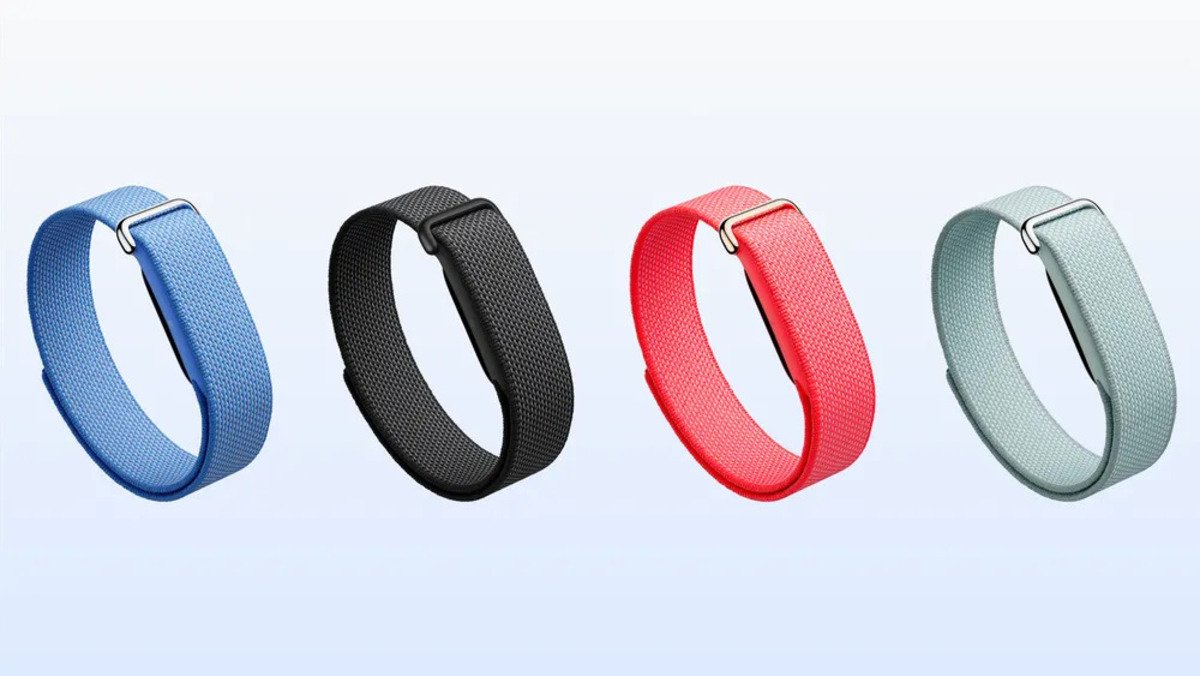
Google has launched the Fitbit Air in India as the company’s first screenless fitness tracker, bringing continuous health and fitness monitoring without a display or traditional smartwatch-style notifications. Priced at Rs 13,999, the wearable tracks heart rate, blood oxygen, sleep and workouts, while syncing health insights to the Google Health app.
The Fitbit Air will be available for purchase in India from October 2. It is designed for users who want continuous health tracking without having another screen on their wrist.
Google Fitbit Air Price and Availability in India
The Google Fitbit Air is priced at Rs 13,999 in India and will go on sale from October 2, 2026. It is offered in Obsidian, Berry, Lavender and Fog colour options, with the Performance Loop Band included with the tracker.
Google is also offering a three-month trial of Google Health Premium with the Fitbit Air. The premium service provides access to Google Health Coach and additional health and fitness insights.
Screenless Design Weighs Just 12g
Unlike conventional fitness bands and smartwatches, the Fitbit Air does not have a display. Instead, the device uses a small status light and vibration motor, while all detailed health and fitness information is viewed through the Google Health app on a connected smartphone.
The tracker weighs just 12 grams with its band and measures 8.3mm in thickness. It has a 5ATM water-resistance rating, allowing it to be worn during workouts and other water-related activities.
The screenless approach also means there are no notifications, apps or other smartwatch-style distractions directly on the wrist. Google is positioning Fitbit Air as a device that can remain on the wrist throughout the day and night while keeping the smartphone responsible for displaying detailed information.
24/7 Heart Rate and SpO2 Tracking
The Fitbit Air includes an optical heart-rate sensor for continuous monitoring. It tracks heart rate throughout the day and also provides resting heart rate and heart-rate variability data.
The wearable can monitor blood oxygen levels using red and infrared sensors. It also tracks skin temperature, sleep stages and other health-related metrics. Heart-rhythm monitoring can provide notifications related to signs of atrial fibrillation, although such features are not intended to diagnose medical conditions.
For fitness tracking, Fitbit Air can automatically recognise supported activities and record workout information. Google says the tracker supports more than 40 exercise modes and provides metrics such as steps, calories, distance, cardio load and readiness.
Google Health Coach Adds AI-Powered Guidance
Fitbit Air works with the Google Health app, where users can view the data collected by the tracker.
The wearable also integrates with Google Health Coach, which uses a user’s health and activity information to provide personalised fitness and wellness guidance. Users can also use AI-assisted workout logging, including taking a photo of gym equipment or a workout board to help record an activity.
This makes the Fitbit Air different from a conventional activity tracker. Instead of trying to put more functions on the wearable itself, Google is using the smartphone and its health software as the main interface.
Up to Seven Days of Battery Life
Google claims up to seven days of battery life from the Fitbit Air on a single charge. The screenless design helps reduce the power requirements compared with a smartwatch that continuously drives a display.
The tracker also supports fast charging. Google says five minutes of charging can provide up to one day of use, which can be useful when the battery is low before a workout or overnight sleep-tracking session.
Works With Android and iPhone
The Fitbit Air is not restricted to Google’s smartphone ecosystem. It works with both Android and iOS devices and connects to the smartphone using Bluetooth Low Energy.
The cross-platform approach gives the Fitbit Air a wider potential audience than ecosystem-specific products such as the Apple Watch, although the detailed experience and available features can vary depending on the connected phone and software platform.
Interchangeable Bands
Google is offering several band styles for the Fitbit Air.
The Performance Loop Band is designed for everyday wear and comes with the tracker. Users can also choose an Active Band aimed at workouts and an Elevated Modern Band with a more fashion-focused design.
The interchangeable band system allows the same tracker to be used for workouts, sleep tracking and everyday wear without changing the core device.
Google Fitbit Air Specifications
| Feature | Google Fitbit Air |
|---|---|
| Display | No display |
| Weight | 12g with band |
| Thickness | 8.3mm |
| Heart tracking | 24/7 heart rate, resting heart rate, HRV |
| Blood oxygen | SpO2 |
| Other sensors | Skin temperature, accelerometer, gyroscope |
| Sleep tracking | Yes |
| Workout tracking | 40+ exercise modes |
| Water resistance | 5ATM / 50m |
| Battery | Up to 7 days |
| Fast charging | Up to 1 day with 5 minutes |
| Connectivity | Bluetooth Low Energy |
| Companion app | Google Health |
| AI features | Google Health Coach |
| Compatibility | Android and iOS |
| India price | Rs 13,999 |
| Sale date | October 2, 2026 |
Fitbit Air Takes a Different Approach to Fitness Tracking
The Fitbit Air enters a growing category of screenless health and fitness wearables that prioritise passive tracking over smartwatch functionality. Its closest comparison is products such as Whoop, which also focus on collecting health data without putting a traditional display on the wrist.
Google’s approach combines that screenless hardware with the Fitbit health platform and Google Health Coach. This allows the company to focus the device on continuous monitoring while keeping detailed analysis, workout logging and personalised recommendations on the smartphone.
At Rs 13,999, the Fitbit Air sits well above many conventional fitness bands in India. Its appeal will therefore depend less on basic step tracking and more on the combination of continuous health monitoring, sleep tracking, readiness insights, AI-powered coaching and the distraction-free design.
