

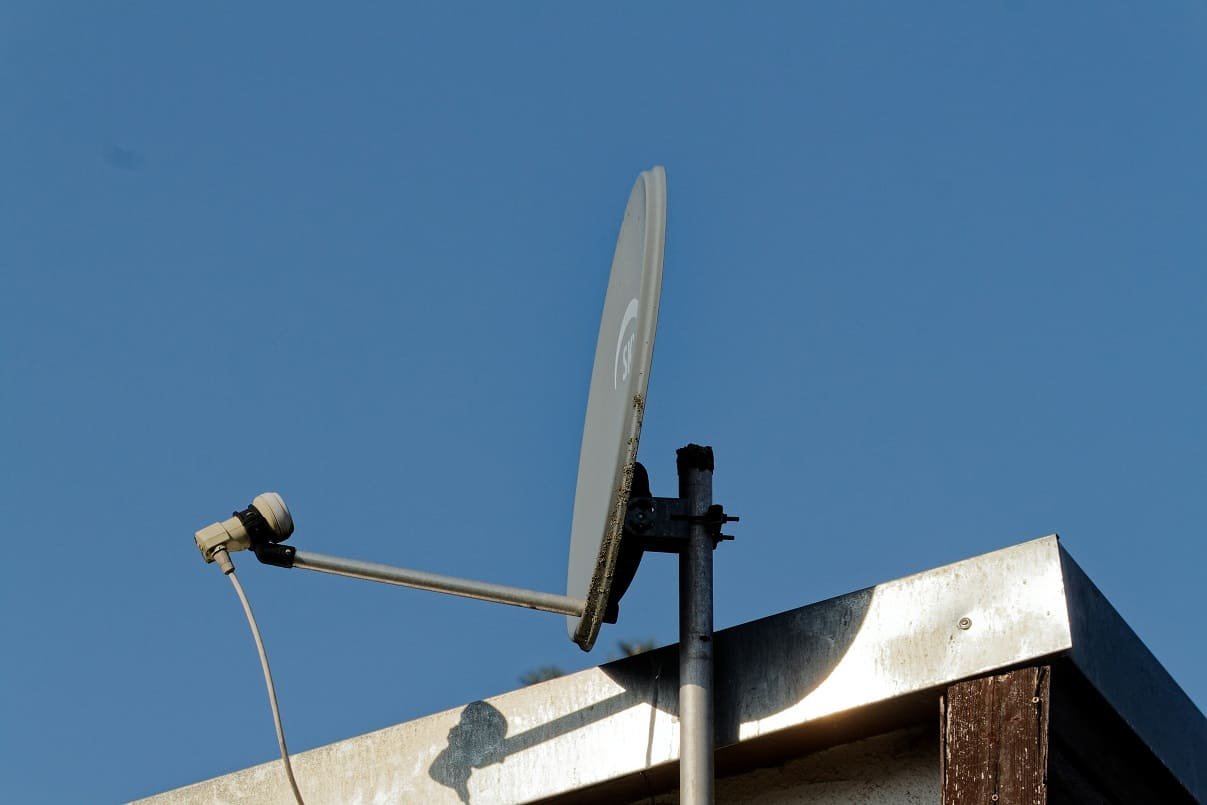
Pay-DTH operators are seeking regulatory changes as subscribers increasingly shift towards DD Free Dish and FAST streaming platforms.
The DTH vs Free-to-Air competition is becoming increasingly important for India’s television distribution industry as traditional pay-TV operators face pressure from alternative viewing platforms. With pay-DTH active subscribers consolidating around 57 million, operators are seeking regulatory support from the Telecom Regulatory Authority of India (TRAI) to make their pricing structures more competitive.
The DTH vs Free-to-Air debate is no longer limited to conventional satellite television. Consumers now have access to several alternatives, including DD Free Dish, FAST platforms and connected TV applications, giving households more options without necessarily requiring a conventional monthly DTH subscription.
DTH vs Free-to-Air: Why the Competition Is Growing
The DTH vs Free-to-Air battle is being shaped by a fundamental difference in how consumers pay for television content. Traditional DTH services generally require subscribers to pay for channel packs or bouquets, while Free-to-Air platforms can provide access to a large selection of channels without a conventional monthly subscription fee.
DD Free Dish remains one of the most important alternatives in this market. The platform allows consumers to access a range of television channels without paying a recurring monthly DTH subscription, although users still require compatible receiving equipment.
For price-sensitive households, the DTH vs Free-to-Air comparison therefore becomes particularly relevant when deciding whether a monthly television bill provides enough value compared with free or low-cost alternatives.
Pay-DTH Subscriber Base Faces Pressure
The DTH vs Free-to-Air shift comes at a time when India’s traditional pay-DTH market has been experiencing structural pressure from changing consumer behaviour.
The active pay-DTH subscriber base is currently around 57 million, highlighting the scale of the market but also showing why operators are increasingly concerned about subscriber churn. Consumers have more entertainment choices than they did a few years ago, including OTT services, connected television platforms and Free-to-Air broadcasting.
The DTH industry therefore faces competition from both traditional television alternatives and internet-based entertainment services.
This makes the DTH vs Free-to-Air comparison increasingly important for operators attempting to retain customers while maintaining average revenue per user.
Why DTH Operators Want TRAI to Act
The DTH vs Free-to-Air issue has also brought regulatory concerns into focus. DTH operators are seeking faster action from TRAI on issues involving carriage fees and bouquet pricing.
Carriage fees are particularly important because they influence the economics of distributing television channels through a platform. Operators need to balance the cost of carrying channels with the amount they can recover through subscriber payments and other commercial arrangements.
If the pricing structure becomes too expensive for consumers, operators risk losing subscribers to cheaper alternatives. This is one of the reasons the DTH vs Free-to-Air competition has become a significant concern for the industry.
Bouquet Pricing Could Become a Key Issue
The DTH vs Free-to-Air pricing battle also highlights the importance of channel bouquets.
Traditional DTH services frequently provide subscribers with predefined channel packs containing multiple television channels. While bouquets can simplify the purchasing process, consumers may increasingly question whether they need to pay for channels they rarely watch.
Free-to-Air platforms provide a different proposition because viewers can access available channels without paying a conventional recurring subscription fee.
DTH operators therefore want greater flexibility in designing commercially attractive packages that can compete with the perceived value offered by FTA platforms.
DD Free Dish Adds Pressure on Pay-TV
The DTH vs Free-to-Air competition becomes even more significant because of the presence of DD Free Dish, India’s prominent Free-to-Air satellite television platform.
For consumers primarily interested in general entertainment, news, movies and regional programming, Free-to-Air television can provide a low-cost alternative to conventional pay-DTH services.
This creates a direct value comparison. A household paying every month for a DTH connection may compare its television bill with the one-time equipment cost associated with an FTA platform.
The DTH vs Free-to-Air equation becomes particularly important in lower-income and price-sensitive households, where recurring entertainment expenses can influence subscription decisions.
FAST TV Creates a New Competitive Layer
The DTH vs Free-to-Air market is also being reshaped by FAST, or Free Ad-supported Streaming TV.
FAST platforms deliver television-style channels through internet-connected devices while relying primarily on advertising rather than traditional subscription fees. This model combines elements of conventional linear television with the flexibility of internet streaming.
As connected TVs become more common in Indian homes, FAST services could increasingly compete for the same viewing time traditionally captured by DTH platforms.
This means the DTH vs Free-to-Air competition is evolving into a broader battle involving satellite television, Free-to-Air broadcasting, OTT services and internet-based television.
Consumers Now Have More Television Choices
One of the biggest changes behind the DTH vs Free-to-Air trend is the expansion of consumer choice.
A household can now choose between pay-DTH, DD Free Dish, cable television, OTT subscriptions and FAST applications. Connected television devices have further reduced the barrier between traditional broadcasting and internet-based entertainment.
This fragmentation makes subscriber retention more challenging for DTH operators. Customers can increasingly switch between platforms depending on pricing, content availability and viewing preferences.
The DTH vs Free-to-Air comparison is therefore becoming less about technology and more about overall entertainment value.
Can Regulatory Changes Help DTH Operators?
The DTH vs Free-to-Air challenge cannot be solved entirely through pricing changes, but regulatory flexibility could help traditional operators respond more effectively.
If DTH platforms receive greater flexibility around bouquet pricing and carriage-related costs, operators could potentially create packages that better match consumer demand.
However, lower pricing alone may not be enough. DTH companies also need to provide differentiated content, reliable service and features that are difficult for Free-to-Air or streaming platforms to replicate.
The DTH vs Free-to-Air competition will ultimately depend on how effectively each platform can balance content, convenience and cost.
DTH vs Free-to-Air Is Becoming a Wider Industry Battle
The DTH vs Free-to-Air competition reflects a broader transformation taking place in India’s television market. Traditional pay-TV is no longer competing only against cable operators or other DTH companies.
Instead, DTH platforms are competing against Free-to-Air broadcasting, OTT applications, FAST services and connected TV ecosystems at the same time.
For consumers, this competition could eventually result in more flexible pricing and greater choice. For operators, however, it could mean increasing pressure on subscriber numbers and recurring revenue.
What Happens Next for India’s DTH Market?
The future of the DTH vs Free-to-Air market will depend partly on how regulators respond to the industry’s concerns and how quickly operators adapt to changing consumer behaviour.
TRAI’s approach to bouquet pricing, carriage fees and distribution economics could influence how traditional television platforms compete with FTA and digital alternatives.
At the same time, the continued expansion of connected TVs and FAST platforms could make the competitive environment even more challenging.
The DTH vs Free-to-Air battle is therefore not simply a comparison between paid and free satellite television. It represents the larger transition of India’s television industry from a subscription-led model towards a market where consumers can choose from multiple distribution platforms.
With the pay-DTH subscriber base remaining under pressure, operators will need to demonstrate stronger value while responding to the pricing advantage offered by Free-to-Air services.
For Indian viewers, the increasing DTH vs Free-to-Air competition could ultimately mean more choices, greater pricing flexibility and a wider range of ways to access television content.
