

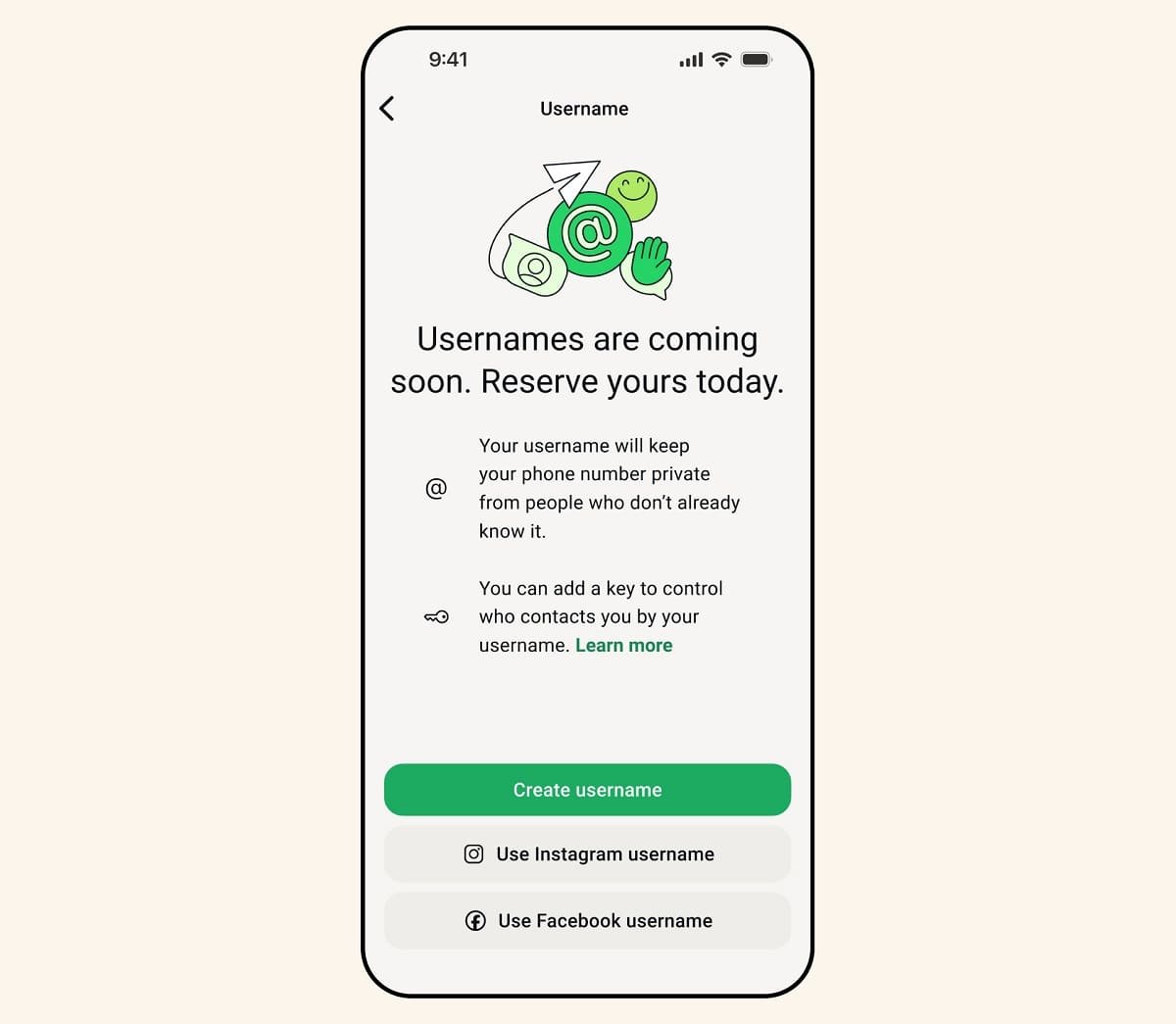
Protecting your personal data online is a constant battle. For years, instant messaging platforms have balanced user privacy against public accountability. When WhatsApp recently announced a highly anticipated privacy update—allowing users to hide their mobile numbers behind custom, unique usernames—the tech community initially praised the move as a major step forward for personal security.
However, that privacy rollout has just hit a massive roadblock in its most vital global territory. The Indian government has formally intervened, ordering Meta-owned WhatsApp to halt the expansion of its username reservation system. In an official notice issued to the company, the IT Ministry expressed deep concerns that the update could accidentally trigger a massive wave of online crime.
In this comprehensive policy breakdown, we unpack the government’s specific security warnings, examine the feedback from prominent Indian tech CEOs, and look at WhatsApp’s multi-layered defense system.
High-Level Breakdown of the Government vs. WhatsApp Dispute
| Dispute Dimension | The IT Ministry’s Security Warnings | WhatsApp’s Built-In Defense System |
| Primary Concern | Mass Impersonation: Bad actors claiming close variants of names of public officials or banks. | Pre-emptively blocking and holding high-profile names, celebrities, and verified accounts. |
| Scam Vector | Supercharging sophisticated “Digital Arrest” and phishing attacks on naive users. | Username Keys: Requiring an optional 4-digit code before an unknown contact can message you. |
| Search Function | Worries that fraudsters can easily hunt down and message unsuspecting targets. | No Public Directory: Zero algorithmic suggestions; others must know your exact spelling. |
| Legal Stance | Running a strict risk assessment to see if it violates local telecom laws. | Ready to deploy background anti-abuse tools and permanently ban offending profiles. |
Why the Government Is Alarmed: The Scam Vector
The government’s sudden intervention was triggered by an internal warning raised by the Union Ministry of Home Affairs. Law enforcement agencies are deeply concerned that replacing verifiable, 10-digit mobile phone numbers with text-based usernames will make life much easier for sophisticated cybercriminals.
The IT Ministry pointed out that bad actors could easily register close variations or look-alike derivatives of prominent personalities, local bank branches, and federal law enforcement organizations. For everyday citizens who may not be highly tech-literate, distinguishing a genuine handle from a slightly altered fake variant is an immense challenge.
Government officials are particularly worried about the rise of digital arrest scams. In these operations, fraudsters call unsuspecting victims over WhatsApp while pretending to be customs officials, CBI officers, or police personnel, threatening them with immediate arrest unless they transfer massive amounts of money. Giving these criminals the ability to adopt official-sounding usernames without displaying a real mobile number strips away a vital layer of identification that victims use to spot fraud.
Indian Tech Leaders Voice Strong Resistance
The government isn’t alone in its worries. Prominent voices across the domestic technology sector have stepped forward to criticize the current framework, warning that the update creates dangerous loopholes if left unchecked.
Industry Warning: Paytm founder and CEO Vijay Shekhar Sharma raised immediate red flags on social media platform X, warning that look-alike handles will quickly become a major tool for corporate fraud. “Soon you will have a verified username on WhatsApp, and then unverified similar-sounding usernames,” he observed.
MobiKwik CEO Bipin Preet Singh shared an even more alarming real-world test case. After checking the early reservation dashboard, he discovered that almost every common variant of his own name had already been snatched up by anonymous accounts, highlighting how quickly identity squatting can spiral out of control.
WhatsApp’s Defense: The Privacy Moat and Guardrails
In response to the IT Ministry’s strict notice, a WhatsApp spokesperson clarified that the full username feature is not yet live and is currently limited purely to an early reserve phase. The company claims it has already built robust, sophisticated guardrails directly into the system’s architecture to stop impersonation before it starts:
- Pre-emptive High-Profile Protection: Meta has pre-emptively locked down the highest-profile names—covering government entities, prominent public figures, major brands, and verified Facebook/Instagram profiles—so they can only be claimed by verified owners.
- The 4-Digit Username Key: To stop automated bots and scammers from guessing random handles, users can turn on an optional 4-digit security key. Strangers trying to message you for the first time must know this exact key to unlock the chat window.
- Cross-Border Registration Alerts: If a user receives a first-time message from an unknown handle, WhatsApp’s system will automatically display whether the sender’s underlying mobile phone number belongs to a different country, helping users quickly spot international phishing attempts.
Potential Strategic Outcomes and Policy Risks
- The Risk of an Absolute Rollout Ban: If WhatsApp’s upcoming technical explanation fails to satisfy MeitY’s forensic security standards, the government holds the regulatory power to block the username feature from launching in India altogether.
- Increased Verification Pressures on Meta: This dispute could force Meta to expand its paid “Meta Verified” verification program to everyday messaging lines, forcing users to present government IDs to secure basic handles.
- A Precedent for Global Privacy Standards: Because India represents WhatsApp’s single largest market with over 500 million users, any design changes forced by New Delhi will likely reshape how Meta deploys its privacy features worldwide.
Can I still safely reserve my custom username on WhatsApp right now?
Yes. WhatsApp’s early reservation feature is currently active inside the app settings for users who have received the rolling update. The government’s notice is an official demand for a safety explanation, not a physical block on the app’s current software lines.
What happens if WhatsApp fails to reply to the IT Ministry within the 3-day deadline?
If WhatsApp ignores or fails to provide a thorough safety explanation within the designated 3-day window, the IT Ministry can initiate formal regulatory penalties, which could include halting the rollout or ordering a temporary freeze on the system.
How does a “digital arrest” scam actually operate over WhatsApp?
In a digital arrest scam, cybercriminals call a target while displaying fake law enforcement icons or official-sounding names. They falsely claim the victim’s identity has been linked to illegal drug smuggling or money laundering, demanding large wire transfers to avoid “immediate arrest.”
Will WhatsApp completely eliminate phone numbers for logging into the app?
No, absolutely not. Your verified 10-digit mobile phone number remains the absolute anchor for your account authentication. You will still use your SIM digits alongside standard One-Time Passwords (OTPs) to activate the app on any device.
How can I protect my personal handle from being stolen by a squatter?
The absolute best defensive strategy is to open your app settings, navigate through Account > Username, and lock in your preferred handle as early as possible before the feature transitions into full public deployment later this year.
Conclusion
The intense regulatory clash over WhatsApp’s username rollout highlights a critical friction point in modern tech policy: the ongoing tension between consumer privacy and national security. While Meta presents usernames as a vital tool to protect everyday phone numbers from circulating among strangers, the IT Ministry’s warnings regarding digital arrest scams and mass impersonation are serious issues that require robust answers. Shifting away from verifiable mobile digits could easily turn into a powerful tool for cybercriminals if the platform lacks airtight guardrails. As WhatsApp prepares its official defense for MeitY, both sides must collaborate to find a balanced middle ground—ensuring that upgrading personal privacy today doesn’t open the floodgates to widespread online fraud tomorrow.
For the latest tech news, follow TelecomByte on X, Facebook and Google News.
