

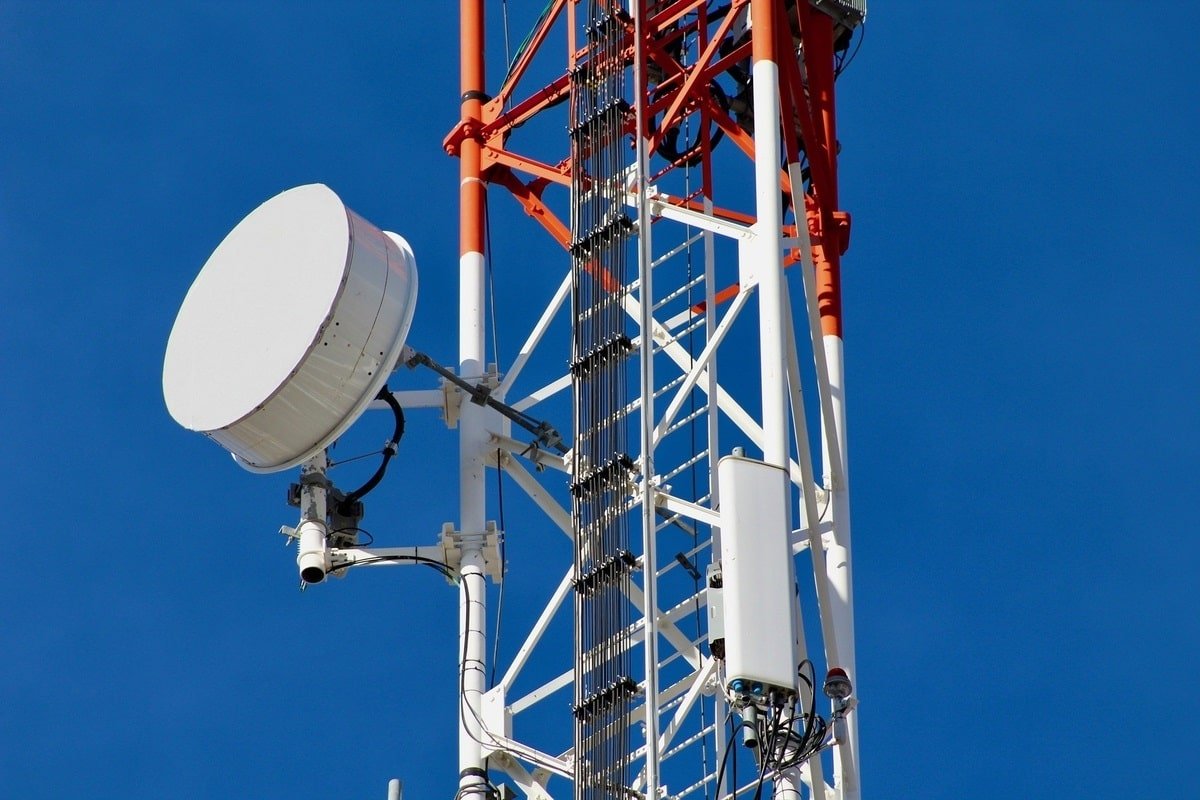
BSNL has outlined a five-year network expansion proposal covering 2 lakh additional 4G sites, phased 5G deployment and a target of achieving operational breakeven by FY29.
State-run telecom operator Bharat Sanchar Nigam Limited (BSNL) has proposed a massive Rs 77,000 crore investment plan over the next five years to expand and modernise its mobile network across India.
The proposal, outlined in a Department of Telecommunications (DoT) submission to the Parliamentary Standing Committee on Communications and Information Technology, includes the deployment of 2 lakh additional 4G sites, a phased 5G rollout and further investments in network and digital infrastructure.
The plan is also aimed at strengthening BSNL’s financial position, with the company targeting operational breakeven by FY2028-29 (FY29).
BSNL Plans 2 Lakh Additional 4G Sites
A major component of the proposed BSNL Rs 77,000 crore investment is the expansion of its indigenous 4G network.
BSNL has already deployed more than 100,000 4G sites using an indigenous technology stack involving TCS, Tejas Networks and C-DOT. The proposed investment would enable the operator to add another 2 lakh 4G sites over the next five years.
The expansion is expected to focus particularly on areas where BSNL’s existing network footprint remains limited, including rural and semi-urban regions.
The additional sites could help BSNL improve coverage while strengthening its position against private operators such as Reliance Jio, Bharti Airtel and Vodafone Idea.
BSNL 5G Rollout to Follow 4G Expansion
The proposed investment also includes a roadmap for 5G deployment.
Rather than immediately pursuing a nationwide 5G rollout, BSNL is expected to adopt a phased approach, with 5G deployment focused initially on areas where demand and network economics justify the investment.
BSNL’s indigenous 4G technology platform is also expected to provide the foundation for its future 5G network expansion.
The approach could allow the operator to progressively upgrade its network while controlling the capital required for the transition from 4G to 5G.
BSNL Targets 98% Population Coverage
Another important objective of the proposed investment is to expand BSNL’s mobile coverage to approximately 98% of the Indian population.
The larger 4G footprint could be particularly important for rural India, where reliable mobile connectivity is increasingly required for digital payments, online services, education, healthcare and government services.
For BSNL, expanding coverage could also create an opportunity to attract customers in areas where private operators have weaker network footprints.
Rs 21,588 Crore Government Capital Infusion for FY27
The proposed Rs 77,000 crore investment should be distinguished from the government’s separate financial support for BSNL.
The DoT has also provided for a Rs 21,588 crore capital infusion for FY2026-27 under the government’s previously approved BSNL revival measures.
This funding is intended to support BSNL’s ongoing network expansion and financial turnaround.
The distinction is important: the Rs 77,000 crore figure represents the proposed five-year investment roadmap, while the Rs 21,588 crore represents a separate government capital allocation for FY27.
BSNL’s Financial Turnaround Remains a Key Objective
Network expansion is only one part of BSNL’s broader revival strategy.
The operator has been working to improve its financial performance following several years of losses and heavy capital requirements.
BSNL’s operational revenue increased to around Rs 21,199 crore in FY26, while the company continued to report a net loss, partly reflecting higher depreciation and amortisation expenses associated with its network investments.
The government and BSNL are therefore targeting higher revenues from mobile services, broadband and enterprise operations as network capacity increases.
The proposed roadmap aims for operational breakeven by FY29.
BSNL and Vodafone Idea Explore Infrastructure Sharing
BSNL’s network expansion could also create opportunities for greater infrastructure utilisation through its collaboration with Vodafone Idea (Vi).
The two telecom operators are already exploring infrastructure-sharing opportunities, with potential areas extending beyond conventional tower infrastructure.
These discussions could include areas such as:
- 4G and 5G infrastructure sharing
- Fibre and backhaul infrastructure
- Edge computing
- Cloud infrastructure
- Data centres
- Enterprise connectivity
- Captive 5G networks
For BSNL, infrastructure sharing could create additional revenue opportunities from its nationwide network assets.
For Vi, access to existing infrastructure could help accelerate network expansion while reducing the time and cost required to establish new sites.
BSNL Investment Plan: Key Numbers
| Parameter | Details |
|---|---|
| Proposed 5-Year Investment | Rs 77,000 crore |
| Additional 4G Sites | 2 lakh |
| Existing Indigenous 4G Sites | 100,000+ |
| FY27 Government Capital Infusion | Rs 21,588 crore |
| Population Coverage Target | 98% |
| Operational Breakeven Target | FY2028-29 |
| 5G Strategy | Phased deployment |
What the BSNL Rs 77,000 Crore Investment Means for Consumers
The proposed investment could have a significant impact on mobile users, particularly in rural and semi-urban markets.
Better 4G Coverage
The addition of 2 lakh 4G sites would significantly increase BSNL’s network footprint and could improve connectivity in underserved areas.
Faster Path to 5G
Expanding the 4G network first would provide BSNL with a larger foundation for its future 5G deployment.
More Competition
A stronger BSNL could provide additional competitive pressure on Jio, Airtel and Vi, particularly in markets where BSNL has traditionally maintained a strong presence.
Improved Digital Connectivity
Better network coverage could support digital payments, online education, e-governance, telemedicine and other data-intensive services in areas with limited connectivity.
BSNL’s Next Phase Is Focused on Execution
The proposed BSNL Rs 77,000 crore investment marks an ambitious next phase in the state-owned operator’s revival strategy.
The immediate priority will be expanding the indigenous 4G network, while 5G deployment is expected to follow in a phased manner.
If BSNL can execute the proposed network expansion while improving revenue and operational efficiency, the company could become a significantly stronger competitor in India’s telecom market.
The FY29 operational breakeven target will ultimately depend on how effectively BSNL converts its expanded network footprint into additional subscribers, higher data usage and stronger enterprise revenues.
BSNL has proposed a Rs 77,000 crore five-year investment plan focused on adding 2 lakh 4G sites, expanding population coverage to 98%, introducing 5G in phases and achieving operational breakeven by FY29. The proposal, alongside the separate Rs 21,588 crore FY27 government capital infusion, represents another major step in BSNL’s long-term telecom revival.
