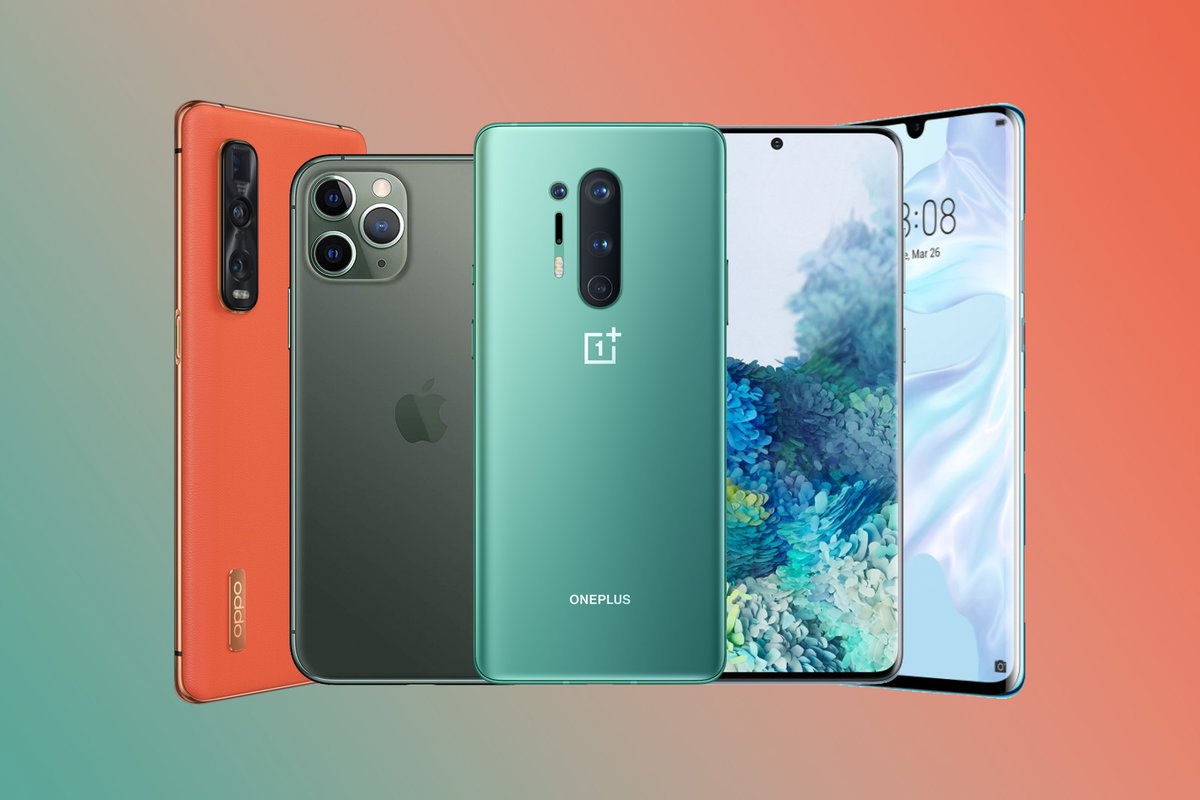
Samsung has reclaimed the Samsung global smartphone market lead in the second quarter, overtaking Apple in worldwide smartphone shipments, according to preliminary industry estimates. The shift comes during a challenging period for the smartphone industry, with declining shipments and ongoing memory component supply shortages affecting manufacturers across the globe.
While Samsung returned to the top of the rankings, the broader market continued to struggle as weaker consumer demand and supply constraints weighed on overall shipments.
Samsung Tops Global Smartphone Shipments
Market research indicates that Samsung captured 24% of global smartphone shipments during the second quarter, while Apple followed with a 20% market share.
The latest figures highlight Samsung’s strong performance across its premium and mid-range smartphone portfolio, allowing the company to regain the industry lead after Apple briefly held the top position earlier in the year.
Q2 Market Snapshot
| Metric | Performance |
|---|---|
| Samsung Market Share | 24% |
| Apple Market Share | 20% |
| Global Smartphone Shipment Drop | 11% Year-over-Year |
| Full-Year Shipment Forecast | 14% Decline |
Global Smartphone Shipment Drop Continues
The global smartphone shipment drop remains one of the biggest challenges facing the mobile industry. Worldwide smartphone shipments fell by 11% compared with the same period last year, marking one of the weakest second quarters in more than a decade.
Analysts attribute much of the slowdown to reduced consumer spending, slower device replacement cycles, and continued supply chain disruptions.
Memory Component Supply Shortages Pressure Manufacturers
A major factor behind the industry’s slowdown is the ongoing memory component supply shortages.
Chip manufacturers are increasingly allocating production capacity toward high-bandwidth memory market shift requirements driven by artificial intelligence servers and high-performance computing. As a result, supplies of conventional mobile memory components have tightened, increasing manufacturing costs for smartphone makers.
Brands that rely heavily on affordable and mid-range smartphones are facing greater pricing pressure, forcing many to either absorb higher costs or increase retail prices.
Premium Flagship Unit Demand Remains Strong
Despite weaker overall shipments, premium flagship unit demand has remained relatively stable.
Samsung’s flagship Galaxy lineup continued to attract buyers during the quarter, helping offset weaker sales in lower-priced segments. Likewise, other premium smartphone brands benefited from loyal customer bases, longer software support, and financing options that encourage upgrades even during uncertain economic conditions.
The resilience of flagship devices has also helped leading manufacturers maintain healthier profit margins despite higher production costs.
Tech Brands Focus on Margin Protection
The current market environment has prompted major smartphone companies to prioritize tech brand margin protection over aggressive shipment growth.
Rather than competing heavily in the budget segment, many manufacturers are focusing on premium devices, optimizing production, and reducing lower-margin models from their portfolios. Industry analysts expect this strategy to continue until memory supplies stabilize and component costs return to normal.
Looking ahead, smartphone brands are likely to remain cautious as supply chain challenges and changing consumer demand continue to shape the global market.
For the latest tech news, follow TelecomByte on X, Facebook and Google News.