

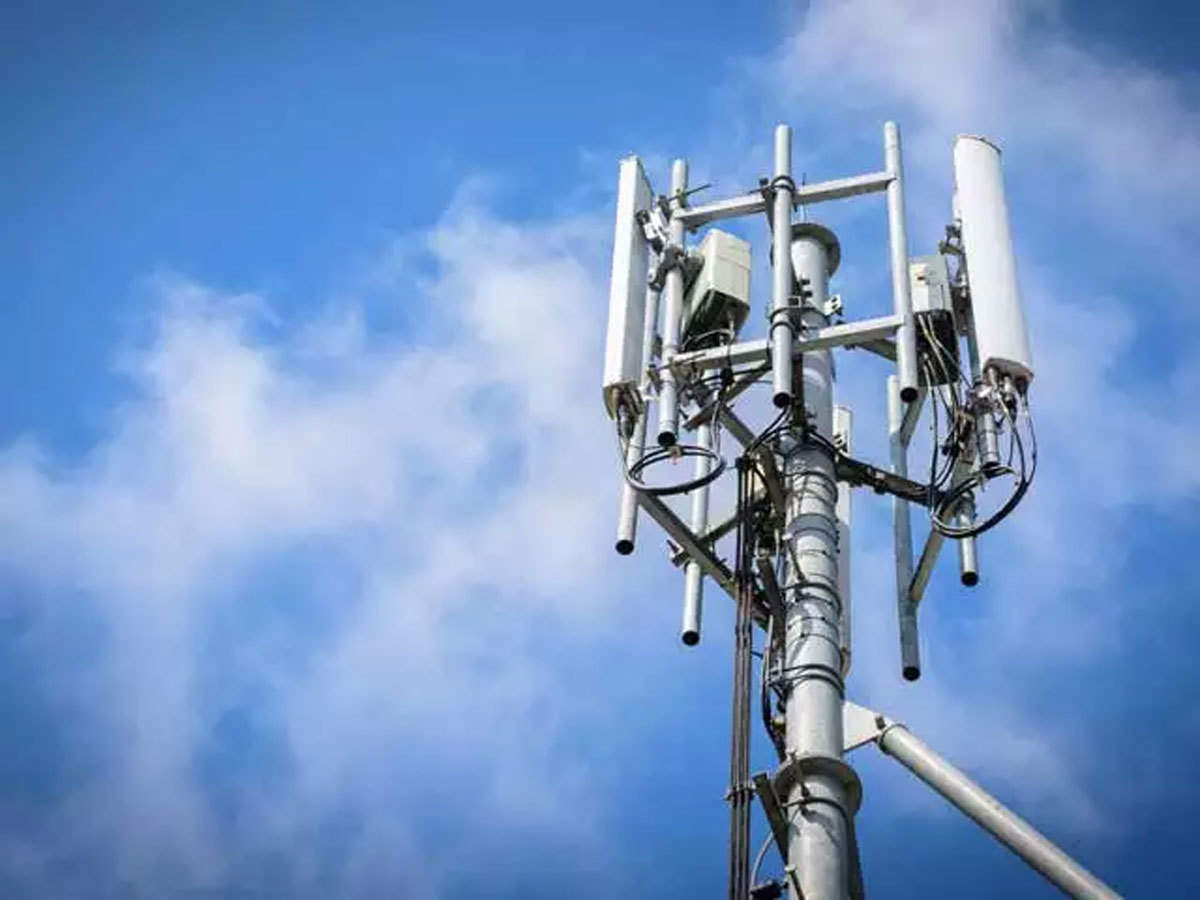
New Indian Standard Time rules give telecom networks and critical digital platforms 180 days to align system clocks with official domestic timing sources.
India has introduced a new regulatory framework that will require telecom networks and other critical digital infrastructure to synchronise their system clocks with official Indian Standard Time (IST). The move is part of the government’s broader One Nation, One Time initiative aimed at creating a common and reliable national time reference.
Under the new rules, telecom operators, digital payment platforms and critical utilities will have a 180-day window to bring their relevant systems into compliance. The framework is expected to make accurate time synchronisation a more important part of India’s digital infrastructure.
IST Time Synchronization Gets Regulatory Push
The Department of Consumer Affairs has notified the Legal Metrology (Indian Standard Time) Rules, 2026, establishing a regulatory framework for the use of Indian Standard Time across specified sectors. The initiative is intended to reduce discrepancies between system clocks and create a consistent time reference for critical digital operations.
For telecom companies, accurate time is already important for several network functions. Mobile networks rely on precise timing for synchronisation between network elements, while billing, authentication, logging and other backend systems also depend on consistent timestamps.
The new rules therefore add a regulatory dimension to an area that has traditionally been handled as part of network engineering and IT infrastructure management.
Telecom Networks Given 180 Days to Comply
The IST time synchronization requirement gives affected organisations a 180-day implementation window. During this period, telecom operators and other covered entities will need to assess their existing timing architecture and ensure that relevant systems can obtain and maintain the required IST reference.
Large telecom networks operate thousands of interconnected systems across multiple locations. Synchronising these systems with a common national reference can require changes to timing servers, network equipment, monitoring systems and backend infrastructure.
The compliance exercise could therefore extend beyond simply changing the clock displayed by an individual device. It is primarily about ensuring that core systems consistently use an approved and traceable time source.
Why Accurate Time Matters for Telecom Networks
Precise time synchronisation is fundamental to modern telecom infrastructure. Network elements need to maintain accurate timing to coordinate operations, while records generated by different systems must carry reliable timestamps.
This becomes particularly important when operators investigate network incidents, process billing information or analyse authentication and security events. A difference between the clocks of multiple systems can make it more difficult to reconstruct the sequence of events.
The importance of timing is also increasing as telecom networks become more software-driven. 4G, 5G, cloud infrastructure and automated network management systems rely on increasingly sophisticated synchronisation mechanisms.
NavIC Could Become an Important Timing Source
One of the notable aspects of the new framework is its emphasis on domestic timing sources. Systems can use approved Indian sources such as NavIC rather than depending exclusively on foreign satellite-based timing signals.
NavIC, India’s regional satellite navigation system, can provide positioning and timing capabilities. Greater use of domestic timing infrastructure could give critical sectors an additional source of trusted timing information.
For telecom operators, this could encourage greater diversification of timing infrastructure. Instead of relying on a single external source, networks can potentially incorporate multiple timing references while maintaining compliance with the national standard.
One Nation, One Time for Digital Infrastructure
The One Nation, One Time initiative has significance beyond the telecom industry. Digital payments, utilities and other critical services increasingly depend on accurate timestamps for transactions, system coordination and record keeping.
A common national time reference can make it easier to correlate events across different platforms. This can be particularly useful when multiple organisations are involved in a single digital transaction or operational process.
For example, a telecom network event, authentication request and digital transaction may involve systems operated by different entities. Consistent timestamps can make it easier to establish when each event occurred.
Impact on India’s Telecom Operators
The new IST time synchronization rules could require telecom operators to review their existing timing architecture across mobile, broadband and enterprise networks. Operators will need to determine which systems fall within the regulatory requirements and ensure that their timing sources meet the prescribed standards.
The impact is likely to be greater for large operators operating extensive networks across the country. Their infrastructure includes radio access networks, core networks, data centres, transmission systems and numerous operational support platforms.
However, the 180-day compliance period provides operators with time to conduct the necessary technical assessments and make infrastructure changes where required.
Why the New Rules Matter for 5G
Time synchronisation is particularly relevant to modern 5G networks. Advanced network architectures can require highly accurate timing between different network components, especially for applications involving coordinated radio operations and demanding latency requirements.
As India expands 5G connectivity and begins exploring more advanced enterprise applications, reliable timing infrastructure will become increasingly important. Private 5G networks, industrial automation and other connected applications can depend on accurate coordination between network and application systems.
The government’s push towards a domestic and standardised time reference therefore comes at a time when India’s digital infrastructure is becoming increasingly dependent on precise synchronisation.
Reducing Dependence on Foreign Timing Sources
The emphasis on domestic timing sources also has a strategic dimension. Critical digital infrastructure currently operates across multiple technologies and may use different timing mechanisms depending on the equipment and network architecture.
Encouraging greater reliance on Indian timing references can strengthen control over a foundational layer of digital infrastructure. It could also support the broader development and adoption of India’s own satellite-based navigation and timing ecosystem.
For telecom operators, the transition will need to balance regulatory compliance with network availability and operational reliability. Timing systems are deeply integrated into telecom infrastructure, meaning any changes will need to be carefully implemented.
Telecom Sector Enters a New Compliance Phase
The new IST time synchronization mandate represents another layer of regulatory requirements for India’s telecom sector. Operators are already managing extensive compliance obligations covering cybersecurity, subscriber verification, network quality and consumer protection.
The introduction of a common national timing requirement adds another technical consideration, particularly for operators managing large and geographically distributed networks.
The 180-day window will now give affected organisations an opportunity to assess their infrastructure and prepare for compliance. The effectiveness of the initiative will ultimately depend on how consistently the new timing standards are implemented across telecom networks and other critical digital sectors.
India’s move towards One Nation, One Time could ultimately create a more consistent timing foundation for the country’s increasingly connected digital economy.
