

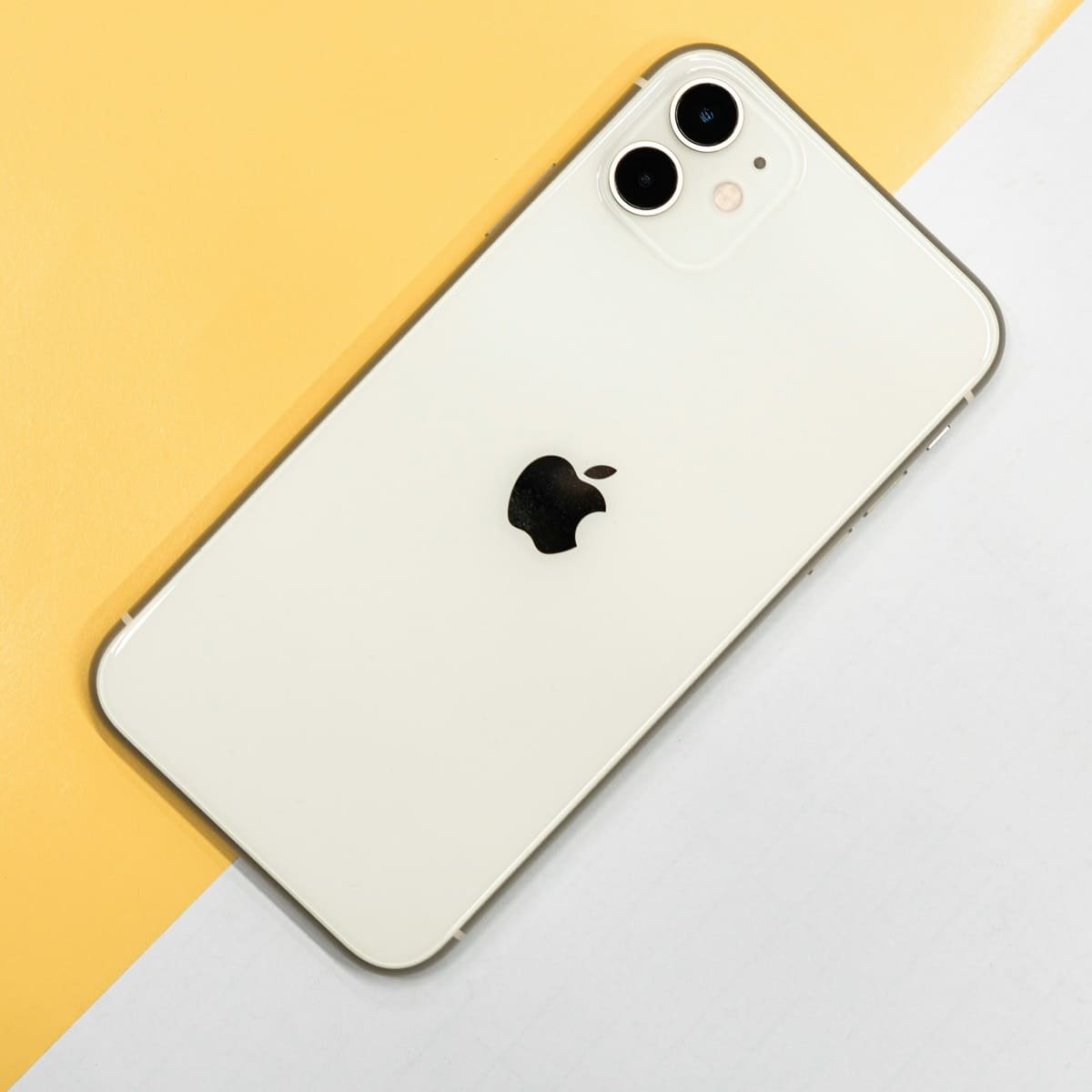
Apple’s iPhone 16 is now Rs 20,000 more expensive in India, putting it against the newer and cheaper iPhone 17e.
Apple has sharply increased the price of the iPhone 16 in India, making the 2024 model considerably more expensive than it was just a few days ago. The iPhone 16 128GB was previously available at Rs 69,900, but Apple now lists it at Rs 89,900 in India following the company’s latest price revision after the launch of the iPhone 18 Pro series.
The Rs 20,000 increase changes the equation for buyers who were considering the iPhone 16 as a relatively affordable entry point into Apple’s main iPhone lineup. The phone still has Apple’s A18 chip, a dual-camera system, Apple Intelligence support and IP68 protection, but it now sits in a much more complicated position because the newer iPhone 17e starts at Rs 79,900.
That means the question is no longer simply whether the iPhone 16 is a good iPhone. The bigger question is whether its additional hardware is worth paying Rs 10,000 more than the newer iPhone 17e.
iPhone 16 Price in India Has Increased by Rs 20,000
The biggest change is the price.
Apple launched the iPhone 16 in India in 2024 at Rs 79,900 for the 128GB model. Its official price was later reduced to Rs 69,900, but Apple has now raised the price to Rs 89,900. That represents a Rs 20,000 increase over the previous official price.
The price revision came shortly after Apple introduced the iPhone 18 Pro and iPhone 18 Pro Max in September 2026. Apple has also increased prices for several other existing iPhone models in India. Reuters reported that the company has made unusually large price adjustments across its older iPhone lineup, with higher memory and component costs among the factors affecting smartphone pricing.
For consumers, however, the important point is simple: the iPhone 16 is no longer the sub-Rs 70,000 iPhone it recently was.
iPhone 17e Is Now Cheaper Than iPhone 16
This is where Apple’s current lineup becomes particularly interesting.
The iPhone 17e currently starts at Rs 79,900 in India, while the iPhone 16 starts at Rs 89,900. The 17e also comes with 256GB of storage as standard, whereas the iPhone 16’s Rs 89,900 entry price gets buyers 128GB.
Therefore, it would be incorrect to say that the iPhone 17e is more expensive than the iPhone 16. The opposite is currently true at Apple’s official pricing.
The iPhone 17e uses Apple’s newer A19 chip and starts with twice the storage of the iPhone 16. It also supports Apple Intelligence and features a 48MP Fusion camera with a 2x optical-quality telephoto option.
That makes the 17e a particularly important alternative for anyone shopping for a new iPhone below Rs 1 lakh.
What Does the iPhone 16 Still Offer?
The iPhone 16 is not simply an older phone with no advantages over the 17e.
It has Apple’s A18 chip, a 48MP Fusion main camera and a dedicated 12MP Ultra Wide camera. It also includes Camera Control, which provides a dedicated hardware control for accessing and adjusting camera functions.
The dual-camera arrangement is an important difference. The iPhone 17e uses a single 48MP Fusion camera system, although that camera provides a 2x optical-quality option. The iPhone 16 adds a genuine Ultra Wide camera, giving users more flexibility for landscapes, group photographs and wider compositions.
The iPhone 16 also supports macro photography and spatial photos, features that aren’t equivalent to the simpler camera arrangement on the 17e.
The Display Is One of the iPhone 16’s Weak Points
The iPhone 16’s display remains a standard 6.1-inch Super Retina XDR OLED panel. It is sharp, colour-accurate and supports HDR, but it does not offer the high-refresh-rate experience found on the newer iPhone 17.
This is particularly noticeable when scrolling through websites, social-media feeds and menus. Apple’s newer iPhone 17 moved the standard model to a higher-refresh-rate display, making the iPhone 16’s conventional refresh rate feel less competitive in 2026.
For buyers who care about display smoothness, this is one of the clearest reasons to look beyond the iPhone 16.
A18 Is Still More Than Capable in 2026
The iPhone 16’s A18 chip should not be dismissed simply because it is no longer Apple’s newest processor.
Apple’s official specifications show that the A18 has a six-core CPU, five-core GPU and 16-core Neural Engine. The chip also supports Apple Intelligence features.
For normal smartphone use, including messaging, social media, photography, video streaming, navigation and demanding applications, the A18 remains a capable processor.
The iPhone 17e’s A19 is newer and brings additional performance headroom, but buyers do not need to consider the A18 obsolete simply because a newer generation exists.
For someone keeping the phone for several years, the more relevant question is whether the newer processor, additional storage and other improvements of the 17e justify choosing it over the iPhone 16’s more versatile camera system.
iPhone 16 vs iPhone 17e: What You Get
At Apple’s current official India prices, the comparison looks very different from what it did before the price hike.
The iPhone 16 costs Rs 89,900 for 128GB. The iPhone 17e costs Rs 79,900 for 256GB. That gives the newer 17e a Rs 10,000 price advantage and twice the starting storage.
The 17e also gets the A19 chip, while the iPhone 16 uses A18. Both support Apple Intelligence, so the iPhone 16 does not lose access to Apple’s current AI ecosystem simply because it is an older generation.
However, the iPhone 16 gives buyers an Ultra Wide camera, Camera Control and additional photography capabilities. Those features can matter more to some users than the newer processor.
Is the iPhone 16 Still a Good Buy in 2026?
The answer depends heavily on the price at which you actually purchase it.
At Apple’s official Rs 89,900 price, the iPhone 16 is difficult to justify purely as the affordable iPhone option. The iPhone 17e is newer, starts at Rs 79,900 and offers 256GB storage, while also using the A19 chip.
The iPhone 16 becomes more interesting if retailers offer substantial discounts below Apple’s official price. Third-party retailers have previously sold the phone significantly below its official price, showing why the street price can be more important than Apple’s listed price when buying an older iPhone.
At a meaningful discount, the iPhone 16’s dual-camera setup, Ultra Wide camera and Camera Control can make it a compelling alternative to the 17e.
But at Rs 89,900, the decision is much harder.
Who Should Still Consider the iPhone 16?
The iPhone 16 can still make sense for buyers who specifically want its camera hardware.
If you regularly take landscape photographs, group pictures or other wide-angle shots, the dedicated Ultra Wide camera is an advantage. The Camera Control can also be useful for people who frequently take photographs and want a physical control for camera functions.
It is also worth considering if a retailer offers a large discount compared with Apple’s official price.
For buyers who simply want a fast iPhone for everyday use, however, the newer 17e deserves serious consideration because it costs less at Apple’s official India pricing and starts with twice the storage.
The Verdict Depends on the Street Price
The iPhone 16 has not suddenly become a bad smartphone because Apple increased its price.
Its A18 processor remains powerful, its camera system is more versatile than the 17e’s single-camera setup, and it supports Apple’s current software and Apple Intelligence features.
But Apple’s Rs 20,000 price increase has changed its value proposition significantly.
At Rs 69,900, the iPhone 16 was an attractive way to enter Apple’s main iPhone lineup. At Rs 89,900, buyers have to consider the newer iPhone 17e at Rs 79,900, which offers an A19 chip and 256GB starting storage.
So, in 2026, the iPhone 16 is still a capable iPhone, but it makes the most sense when bought at a good retailer discount. At Apple’s current official price, buyers should compare it carefully with the iPhone 17e rather than assuming the older iPhone is automatically the cheaper option.
