

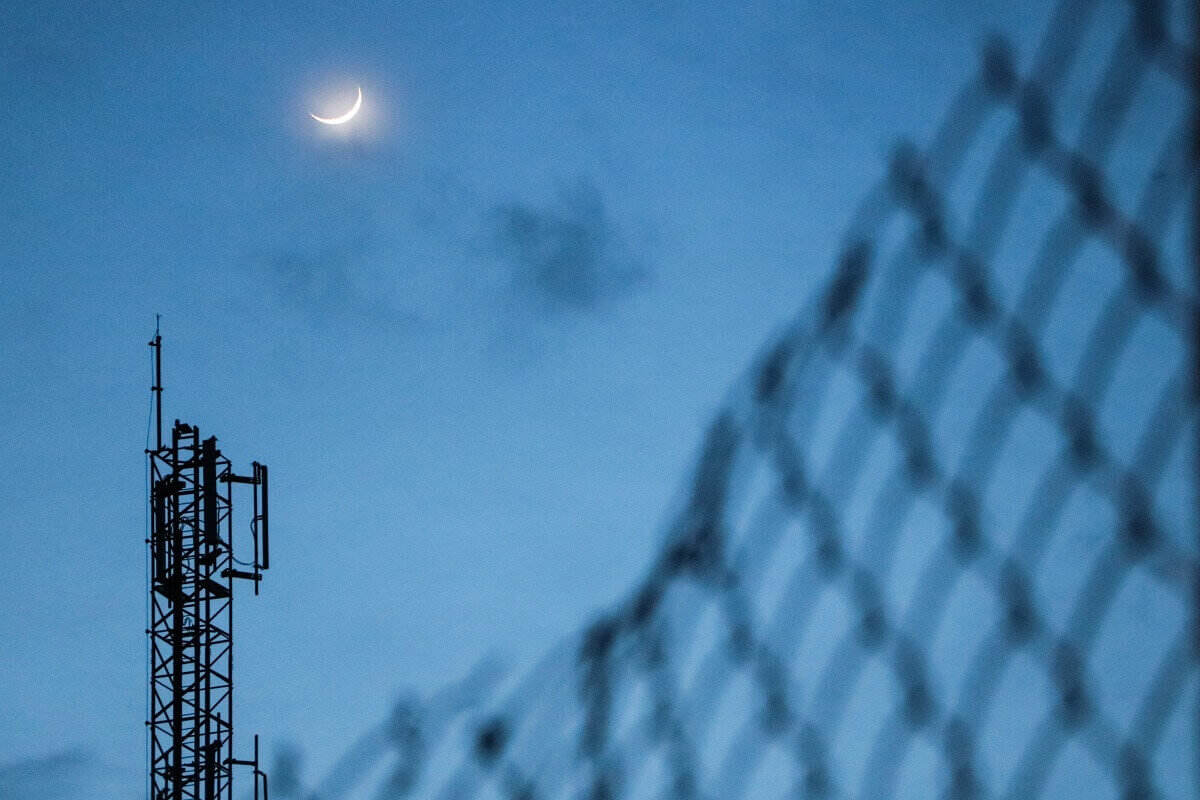
Telecom operators and tower companies have alerted the Department of Telecommunications about rising fuel shortages, unstable grid power, and supply chain disruptions that are affecting network operations and increasing costs.
India is currently grappling with significant diesel shortages and widespread power outages that are raising serious concerns among telecom operators and tower companies. These critical issues have the potential to disrupt telecom operations across various states, leading to diminished service quality and accessibility for millions of users. The reliance on diesel generators to power cell towers is particularly pronounced in areas where the electric grid is unreliable, making fuel availability a crucial factor for maintaining seamless communication services.
The ongoing diesel crisis is exacerbating the challenges faced by telecom providers. With fluctuating prices and limited diesel supply, operators are encountering difficulties in ensuring that their tower infrastructure remains operational. This situation is further complicated by the frequent power outages in many regions, which have made the need for dependable backup power solutions even more urgent.
As a result, telecom companies are increasingly expressing their concern over rising fuel constraints. The lack of reliable diesel supply threatens not only their operational efficiency but also the critical services they deliver to consumers and businesses alike. Operators are worried that if the situation persists, there will be significant ramifications for connectivity and communication across the nation.
In light of these challenges, it is essential to examine the broader implications of diesel shortages and power outages on the telecom sector. The interconnectedness of energy supply and telecommunications underscores the need for urgent solutions to safeguard infrastructure. Addressing these issues is crucial for protecting the integrity of communication networks and ensuring that users have uninterrupted access to essential services.
Current Situation in Telecom Infrastructure
The ongoing diesel shortages are reshaping the operational landscape for telecom infrastructure, particularly in states like Uttar Pradesh, Odisha, Bihar, Andhra Pradesh, and Telangana. Diesel is essential for powering mobile towers and data centers, especially in regions where consistent electricity supply is often inconsistent or unreliable. In these states, the shortage of diesel has pronounced effects on service delivery and network stability.
Telecommunications providers rely heavily on diesel generators to maintain continuous service, particularly in rural or remote areas that may not have access to grid electricity. The unavailability of diesel not only hampers the operation of mobile towers but also impacts data centers that host critical services and applications. With many mobile sites running on backup power, the current supply constraints exacerbate the risk of service disruptions.
In states such as Uttar Pradesh and Odisha, reports indicate that telecom operators are facing increased challenges in keeping their towers functional. With a limiting supply of diesel, operators are forced to reduce the operational hours of several towers, leading to potential outages and degradation of service quality. The consequences of these outages are particularly felt by consumers who rely on mobile connectivity for daily communication, business operations, and emergency services.
The urgent need to manage and mitigate these supply chain disruptions has led telecom companies to explore alternative energy sources. However, the transition to alternate energy solutions takes time, and in the interim, the disruption caused by diesel shortages continues to threaten the reliability of telecom services across these vital regions. As the situation evolves, it is essential for stakeholders in the telecommunications sector to adapt their strategies to ensure service continuity amid ongoing challenges.
Escalating Costs Due to Diesel Dependency
The reliance on diesel generators for backup power in the telecommunications industry has become increasingly pronounced as inconsistent grid power and recurrent load shedding challenge operational stability. Consequently, many telecom companies find themselves compelled to depend more heavily on diesel-powered systems to ensure uninterrupted service delivery. This shift comes with significant financial implications, turning what was once considered a contingency solution into a primary source of energy during crises.
Telecom operators, facing frequent power outages, have reported a marked escalation in operational costs. The increase in diesel consumption not only heightens expenses related to fuel procurement but also amplifies maintenance requirements for the backup generators. Industry executives have noted that these rising costs are straining budgets that were already under pressure from various other factors, including infrastructure investments and technological upgrades.
Moreover, as diesel prices fluctuate amid global market conditions, the unpredictability further complicates financial planning for telecom companies. Executives from leading firms have voiced concerns that the added financial burden could divert capital away from critical projects, such as expanding network coverage and enhancing service quality. The long-term sustainability of telecom operations is at risk as firms struggle to adapt to these escalating costs associated with diesel dependency.
In light of these challenges, a strategic reevaluation of energy sourcing is essential for the telecommunications sector. Many in the industry are beginning to explore alternative energy solutions, aiming to reduce reliance on diesel and develop more sustainable operational frameworks. However, until viable alternatives become mainstream, the continued dependence on diesel-powered systems is likely to persist, further compounding the financial strains on telecom operators.
Impact of the Iran War on Supply Chains
The ongoing conflict in West Asia, particularly the war involving Iran, has created significant challenges for global supply chains. The intricacies of these supply chains are both vast and sensitive, intertwining economies across the globe while highlighting vulnerabilities that need addressing. The repercussions of geopolitical tensions can often lead to unexpected delays and shortages, especially in industries reliant on precise components, such as telecommunications.
As conflicts escalate, regions like West Asia that are pivotal for oil and gas supplies face disruptions that cascade throughout supply chains. This disruption impacts not only energy supplies but also the availability of telecom equipment and materials that are critical for maintaining robust network operations. The reliance on a singular geographic area for important resources means that any conflict can lead to ripples affecting various sectors.
For the telecommunications industry, this situation is particularly concerning as it relies on timely access to equipment for both infrastructure development and maintenance. The delays in shipping and procurement processes can result in extended periods during which networks are vulnerable to outages. Additionally, manufacturers may face increased costs, which, in turn, could lead to price hikes for consumers, further exacerbating the situation.
Furthermore, the regulatory environment surrounding these conflicts complicates matters. Sanctions imposed due to geopolitical tensions often result in additional layers of compliance for companies, further delaying shipments. Companies must navigate a complex web of restrictions that can hinder their ability to procure necessary materials promptly.
The war’s effects on supply chains highlight the importance of diversifying supply sources and building resilient logistics frameworks. Overall, the interplay of conflict in regions like West Asia, and its impact on telecom supply chains underscores the need for strategic planning and operational flexibility to mitigate disruptions effectively.
Government Response and Industry Recommendations
The ongoing diesel shortages and power outages have raised significant concerns regarding telecom service disruptions across various states. In response to these challenges, the Department of Telecommunications (DOT) has initiated proactive measures aimed at mitigating the impact on the telecommunications sector. A series of strategic meetings have been proposed to foster a collaborative environment among local telecom bodies, energy suppliers, and governmental agencies.
The DOT plans to convene discussions focusing on enhancing the supply chain for diesel, which is critical for maintaining backup power systems within telecom infrastructure. This includes exploring partnerships with fuel suppliers to ensure timely deliveries and reduce outages that can affect communication networks. Furthermore, the DOT is emphasizing the importance of identifying alternative energy sources, such as renewable energy options, to sustain power supplies during periods of fuel unavailability.
Industry bodies have echoed these sentiments, calling for increased coordination between telecom operators and power utilities. Such collaboration aims to streamline communication regarding potential outages and diesel availability, thereby ensuring that necessary measures are promptly implemented. Operators are being encouraged to develop contingency plans tailored to potential disruptions, including inventory management of essential fuel reserves and backup power solutions.
Moreover, experts suggest that regulatory frameworks be reassessed to allow for flexibility in operational practices in response to these unparalleled circumstances. Recommendations include implementing protocols for sharing resources among telecom companies and instituting emergency response teams dedicated to navigating power and supply chain challenges efficiently.
Through these concerted efforts, both government bodies and the telecommunications industry strive to uphold service reliability and address the pressing concerns stemming from current diesel and power shortages. Attention to these issues is essential to maintaining uninterrupted communication services critical to public welfare and economic stability.
Financial Impacts of Energy Costs
The rising costs of diesel fuel present significant financial challenges for telecom companies that rely heavily on this energy source to ensure uninterrupted service delivery. With diesel prices soaring over recent months, telecom operators are grappling with increased operational expenditures. The escalation of energy costs not only affects fuel expenses but also drastically influences the pricing structures of essential telecommunications infrastructure.
As telecom companies utilize diesel generators as backup power sources, particularly in areas prone to power outages, any increase in diesel prices directly translates to higher costs of maintaining these generators. Consequently, the expenses incurred in fuel procurement can lead to reduced profit margins. This shift in profitability can deter investment in network expansion and improvement initiatives, hindering the potential growth of telecom services across impacted regions. Furthermore, these financial burdens may lead to fluctuations in telecom service pricing as companies seek to pass on costs to consumers, which can adversely affect customer satisfaction and market competitiveness.
The long-term implications of rising diesel prices could necessitate a strategic reassessment of energy usage and infrastructure investments by telecom firms. With sustained high diesel costs, these companies may consider integrating more sustainable and cost-effective energy solutions into their operational models. This shift may involve exploring alternative energy sources, such as solar or wind, which, while having upfront investment costs, can stabilize energy expenditures in the long run, thereby improving financial resilience against volatile fuel prices.
Ultimately, the intersection of telecommunications and energy costs illustrates a complex relationship that influences both enterprise operations and consumer experiences. As the industry navigates these challenges, awareness of financial impacts will be crucial in shaping the future landscape of telecom services.
Transition to Clean Energy Solutions
As concerns regarding diesel shortages and rising power outages continue to impact the telecommunications sector, companies are increasingly recognizing the necessity of transitioning to clean energy solutions. Such a transition not only addresses the immediate challenges posed by fuel shortages but also aligns with broader sustainability goals. Key players in the telecom industry, including Vodafone Idea and Indus Towers, are leading efforts to reduce their reliance on traditional diesel generators by adopting innovative technologies and renewable energy sources.
Vodafone Idea, for instance, has implemented a comprehensive sustainability strategy aimed at achieving 100% renewable energy usage in its operations. This initiative involves the integration of solar panels and energy storage systems across its network infrastructure, which significantly diminishes the dependency on diesel while enhancing operational efficiency. The deployment of solar-powered base stations not only contributes to a reduction in carbon emissions but also ensures greater energy resilience during power outages.
Similarly, Indus Towers has been proactive in exploring alternative energy solutions. The company has initiated the installation of hybrid energy systems that combine solar power with battery storage and conventional energy sources. This approach not only secures continuous power supply for telecom towers but also mitigates the environmental impact associated with diesel usage. By investing in clean energy technologies, Indus Towers aims to achieve significant cost savings and position itself as a leader in sustainable telecom infrastructure.
The transition to these clean energy solutions is not solely about operational efficiency; it reflects a growing commitment to environmental stewardship within the industry. As more telecom companies embrace renewable energy, the sector can enhance its reliability while contributing to a decreasing carbon footprint, thus paving the way for a more sustainable future.
Case Study of Successful Management Strategies
In the face of escalating diesel shortages and rampant power outages, several regions have taken proactive measures to mitigate disruptions in their telecommunications sectors. One notable example is the intervention in Madhya Pradesh, where the state government undertook substantial strategies to manage diesel supply challenges effectively. The situation in this region highlights the importance of a multifaceted approach to crisis management.
The first significant strategy was the establishment of a task force that focused on coordinating diesel distribution among critical sectors, including telecommunications. This body facilitated communication between various stakeholders, from government agencies to fuel suppliers, ensuring that the needs of telecom operators were prioritized during periods of scarcity. By formalizing a collaborative framework, Madhya Pradesh was able to minimize the impact of limited diesel availability on telecom operations.
Another key component of the Madhya Pradesh strategy was the emphasis on alternative energy sources. The state encouraged telecommunications providers to diversify their energy supply by integrating solar power solutions to supplement diesel generators. This not only ensured a more reliable power supply but also reduced the dependency on diesel, thereby lessening the overall impact of fuel shortages.
Moreover, public awareness campaigns were initiated to educate citizens and businesses about energy conservation practices. Such initiatives fostered a culture of sustainability, which allowed for better resource management during crises. Telecommunications companies were urged to invest in energy-efficient technologies to enhance system resilience against future disruptions.
Lessons learned from the intervention in Madhya Pradesh can be applied to other regions facing similar challenges. Emphasizing collaboration, diversifying energy resources, and promoting conservation can significantly improve the resilience of telecommunications networks during periods of fuel scarcity. As states continue to grapple with these issues, the experiences of Madhya Pradesh serve as a valuable blueprint for managing diesel supply crises and ensuring continuity in telecom services.
Conclusion and Future Outlook
The rising concerns regarding diesel shortages and power outages have highlighted significant vulnerabilities within the telecom sector. As this industry is crucial for maintaining communication infrastructures, disruptions can lead to severe consequences, not only for the companies involved but also for consumers relying on uninterrupted service.
Throughout this discussion, we have examined the primary challenges posed by these crises, including supply chain hurdles and the reliance on diesel generators for backup power. These elements have underscored the need for more resilient systems that can withstand such disruptions. Moreover, it is evident that proactive measures are essential to mitigate the risks associated with future contingencies.
Looking ahead, it is essential for telecom operators to invest in alternative energy sources that are less affected by global supply chain issues. This can include a greater reliance on solar and wind energy, which would not only reduce dependency on diesel but also promote sustainability within the industry. Furthermore, enhancing grid stability through integrated power solutions can significantly improve response times during outages.
Additionally, collaboration among stakeholders—including governments, energy suppliers, and telecom operators—will be vital in formulating effective strategies to navigate these ongoing issues. Through collective efforts, the telecom sector can enhance its resilience and ensure a more stable communication network for consumers.
In summation, the challenges posed by diesel shortages and power outages necessitate immediate and long-term strategies to reinforce the telecom infrastructure. By adopting innovative solutions and fostering cooperation, the industry can bolster its capacity to withstand future disruptions, ultimately securing reliable service for all users.
How could diesel shortages impact mobile users?
What long-term solutions can help the telecom sector?
For the latest tech news, follow TelecomByte on X, Facebook and Google News.
