

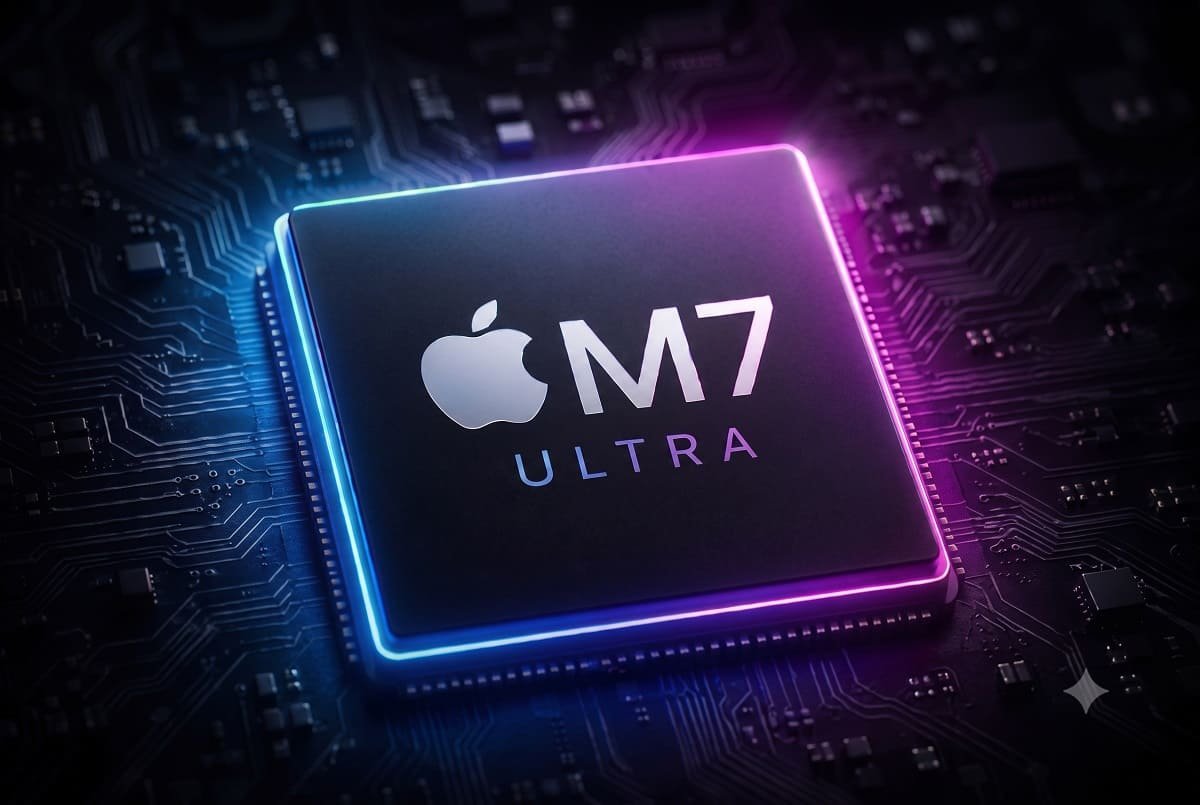
A major strategy change within the Apple Silicon development pipeline reveals that the company is building an advanced cloud platform built around a future M7 Ultra processor. The upcoming server architecture is designed to support up to 1.5TB of unified memory, matching the peak configuration parameters of the legacy Intel-powered workstation tower launched back in 2019. This design direction marks the first time that such massive capacities will fit within the company’s modern unified system-on-a-chip topology.
The design acceleration comes as the tech enterprise shifts away from incremental generational performance jumps to prioritize massive hardware-level AI processing power. In a complete departure from historical release models, the brand will entirely skip the development of the intermediate M6 Pro and M6 Max hardware layers. Instead, the engineering groups will launch a base M6 platform for entry devices before moving full engineering focus over to the seventeen-series portfolio.
Accelerated Silicon Timelines and Neural Processing Tiers
The decision to reshape the corporate roadmap stems directly from the intense computing demands of localized large-scale AI models. The upcoming architecture focuses on “major neural-processing upgrades” that require deep underlying layout alterations. The design team reportedly finalized the initial blueprints for the seventeenth generation just six months after starting work on the six-series base, shortening the typical generational engineering gap.
This updated production path aims to bring the performance of the company’s highest-tier local hardware much closer to specialized enterprise data-center components, such as Nvidia’s Blackwell accelerators. While consumer-facing laptops will adopt the standard and pro iterations of the chip family, the flagship configuration will serve as the computing foundation for the brand’s proprietary AI server clusters by 2029.
Memory Market Challenges and Long-Term Research Projects
While the 1.5TB configuration targets high-end cloud operations, its eventual commercial deployment remains heavily dependent on global component supply conditions. Widespread supply strains across the volatile memory market have already impacted the production schedules of existing top-tier configurations. Analysts note that if industrial supply costs for high-density silicon remain high, the manufacturer might restrict the availability of the massive storage configurations to specialized institutional buyers.
Looking further down the development path, preliminary design work has already started on an eighth-generation chip series, which includes an internal processor configuration codenamed “Soko”. The core foundational blocks of the upgraded neural engines trace their origins back to research completed during the firm’s historic self-driving automotive project. The specialized algorithms developed during that decade-long project continue to guide how the brand builds and scales its internal tensor cores across its current computing portfolio.
For the latest tech news, follow TelecomByte on X, Facebook and Google News.
For a detailed analysis of how this unexpected strategy shift affects entry-level laptops and incoming backup systems, check out this comprehensive Apple M6 and M7 Silicon Strategy Breakdown, which reviews the structural changes impacting the Mac lineup.
