

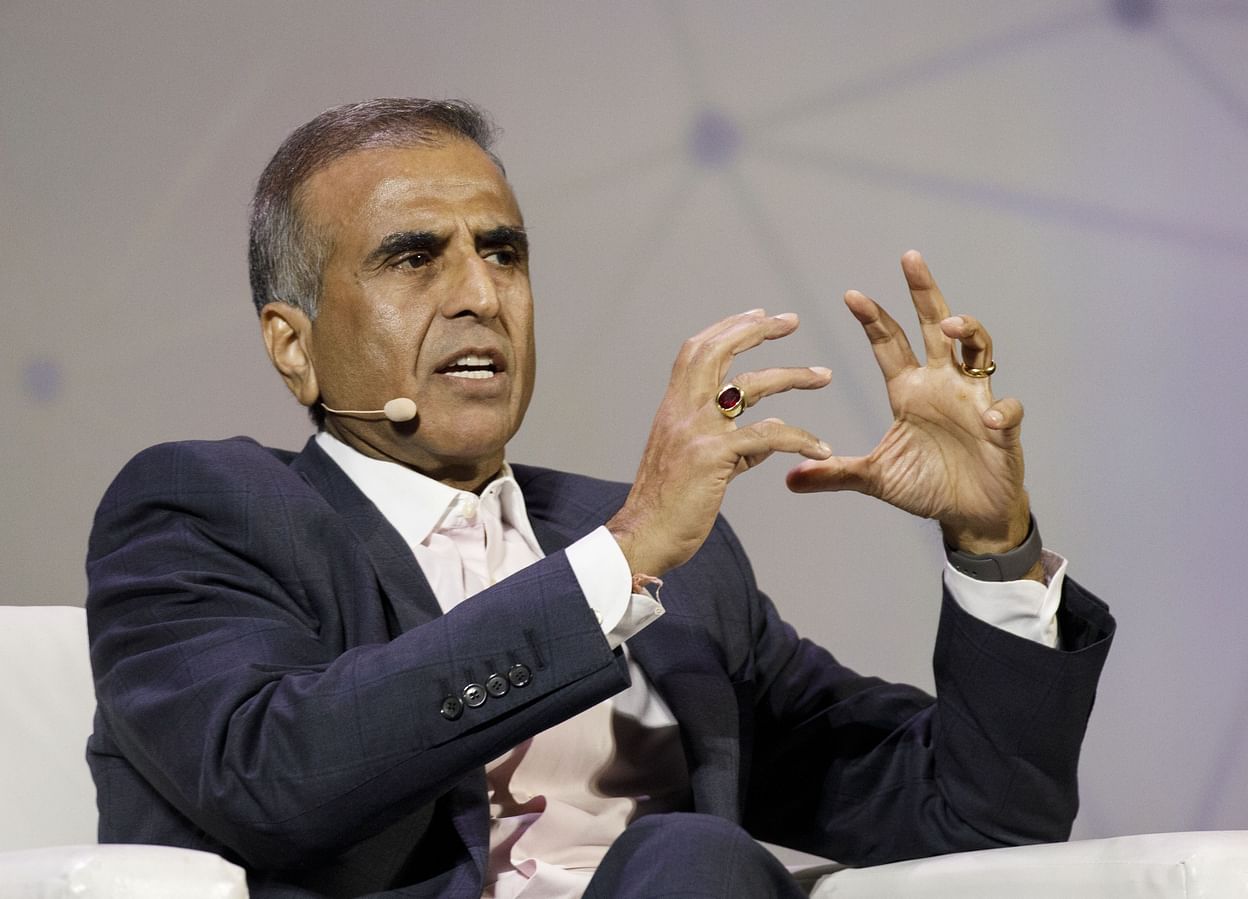
Bharti Enterprises Founder and Chairman Sunil Bharti Mittal has publicly reset the long-term economic roadmap for India’s telecommunications sector, stating that average mobile tariffs must climb to Rs. 350 per user per month.
Speaking in an interview with PTI to mark Bharti Enterprises’ 50th anniversary, Mittal argued that the industry’s existing financial metrics are outdated and insufficient to support the heavy capital expenditure required for India’s next-generation digital infrastructure. With Bharti Airtel’s latest reported Average Revenue Per User standing at Rs. 271 for the September quarter, achieving Mittal’s target would require an approximate 29% increase across the board.
Rising Operational Costs and the Tower Gap
Mittal noted that his previous benchmark of a Rs. 300 ARPU floor, set a decade ago, no longer matches economic realities. Across the board, inflation has touched every layer of network operations.
Oil prices are up, electricity costs are up, employee costs are up, administrative costs are up. Everything is up, Mittal told PTI.
Beyond basic operational inflation, Mittal drew direct comparisons with global telecom titans, pointing out a stark infrastructure deficit. While China operates over 1 million mobile towers, India sits at roughly 3.5 lakh towers. According to Airtel’s leadership, India must at least double its physical tower footprint, alongside aggressive expansions in fiber optics and submarine cable systems, to handle surging data demands.
5G Returns Underwhelming Relative to Capex
The push for higher tariffs also underscores mounting industry concerns regarding monetization. Telecom operators have plowed massive resources into spectrum auctions and network rollouts, totalling an estimated Rs. 1.5 lakh crore in 5G deployment alone.
Mittal described the immediate financial returns on 5G as a bit of a disappointment, noting that while the capital expenditure successfully generated massive digital capacity for India’s economy, current retail pricing structures do not allow for adequate reinvestment margins.
Comparing Mobile Bills to Everyday Goods
Addressing potential consumer pushback, Mittal framed the proposed Rs. 350 monthly target as a modest daily expense of roughly Rs. 10 to Rs. 12.
You buy now soap and a packet of chips. You know what it costs. Having a bottle of Pepsi costs you a lot more than that, Mittal remarked. For that daily cost, he emphasized, Indian consumers unlock core digital infrastructure encompassing banking, direct benefit transfers, UPI settlements, health records, and extensive entertainment streaming.
| Metric / Parameter | Current Industry Standing | Proposed Target / Requirement |
| Airtel ARPU (Q2 FY27) | Rs. 271 | Rs. 350 per month (~29% increase) |
| India Mobile Towers | ~3,50,000 towers | 7,00,000+ towers (Double footprint) |
| Daily Cost Equivalent | ~Rs. 9 per day | Rs. 10 to Rs. 12 per day |
| Last Major Tariff Hike | June 2024 (10-25% hike) | Under discussion for future phases |
What This Means for Recharge Plans and Competitors
While Mittal did not commit to an immediate timeline for reaching the Rs. 350 threshold, candidly admitting, I don’t know when pressed on a deadline, the commentary outlines the pricing ceiling private operators intend to target.
Industry analysts note that a structural migration toward a Rs. 350 ARPU would likely see entry-level prepaid packs protected above the Rs. 200 mark, with mid-tier and high-usage unlimited bundles scaling toward higher tiers. For financially stressed players like Vodafone Idea, which faces heavy statutory dues, and market leader Reliance Jio, gradual tariff repair remains essential to maintain healthy return-on-capital ratios.
However, previous price corrections have triggered short-term subscriber churn, meaning network operators will likely pace their tariff adjustments carefully to balance top-line revenue growth with subscriber retention.
