

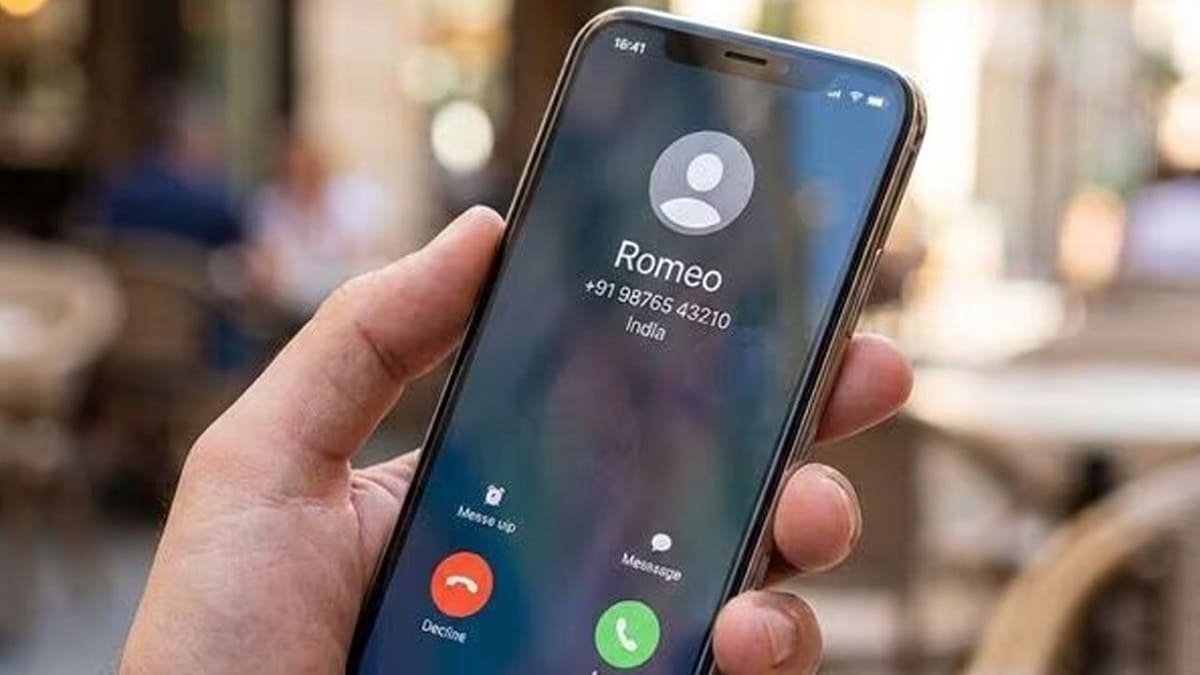
India is preparing to introduce Calling Name Presentation (CNAP), a telecom network feature designed to show the name associated with an incoming caller’s mobile connection alongside the phone number. The Department of Telecommunications (DoT) has directed telecom operators to introduce the service across their 4G and newer-generation wireless networks from November 1, 2026.
Unlike third-party caller identification apps, CNAP is designed to work through telecom operators’ subscriber records. Users will not need to install a separate application to receive the service. However, the rollout does not mean that every phone will immediately display a caller’s name on every incoming call.
What Is CNAP and How Will It Work?
CNAP stands for Calling Name Presentation. It is intended to display the calling number and the corresponding name recorded in the originating telecom operator’s subscriber database.
When an unsaved domestic number calls, the network is expected to retrieve the associated caller-name information and make it available to the receiving network. If the number is already saved in the recipient’s phone contacts, the name saved locally takes precedence under the DoT’s instructions.
The system is designed to operate through telecom networks rather than depending on an app installed by the caller or recipient.
Which Networks Will Support CNAP?
The DoT’s October 13 circular directs authorised telecom service providers to introduce CNAP across their service areas from November 1 on wireless terrestrial networks using 4G and newer-generation technologies.
This covers the relevant 4G LTE and 5G networks operated by Indian telecom providers. The introduction of CNAP on 2G and 3G networks and public switched telephone networks, including conventional landlines, will be considered separately.
The direction applies to telecom service providers, rather than naming a single mobile operator or smartphone brand. Actual availability will depend on the rollout and network implementation.
Will CNAP Work on Every Smartphone?
There is no confirmed list of individual smartphone models that will support CNAP. The DoT’s circular specifies the relevant network technologies but does not publish a handset-by-handset compatibility list.
Consequently, users should not assume that a particular iPhone, Samsung Galaxy, OnePlus, Vivo, Oppo or Xiaomi model is guaranteed to display CNAP solely because it supports 4G or 5G.
The network must support the service, and the phone’s software and calling interface must be able to present the information correctly. The practical experience may therefore differ between devices and operators during the initial rollout.
CNAP is intended to be a telecom service, not an application that everyone must download from the Play Store or App Store.
Will CNAP Work Without the Internet?
CNAP is designed as a telecom network service, not as an internet-dependent caller identification app. Its purpose is to make the registered caller name available during call setup through coordination between telecom networks.
This is an important distinction for users who do not have mobile data enabled or who do not use a third-party caller ID application.
However, the precise behaviour on individual devices will depend on network and handset implementation.
What Happens When an International Number Calls?
Under the DoT’s instructions, when an unsaved number makes an international call, the name field is intended to display “International Call” rather than a domestic CNAP name.
The name saved in the recipient’s contacts takes precedence when a number is already saved, according to the prescribed display order.
Will CNAP Reduce Spam Calls?
CNAP may help users recognise the name registered against an unfamiliar number, but it is not a complete spam-blocking service.
A registered name does not prove that the caller is genuine, and a name may not identify the specific employee, delivery agent or representative using a connection. Users should continue to be cautious when callers request OTPs, banking details, passwords or urgent payments.
The November 1 rollout is an important step towards network-based caller identification. Its usefulness for individual users will depend on how consistently operators and compatible devices implement the service.
