

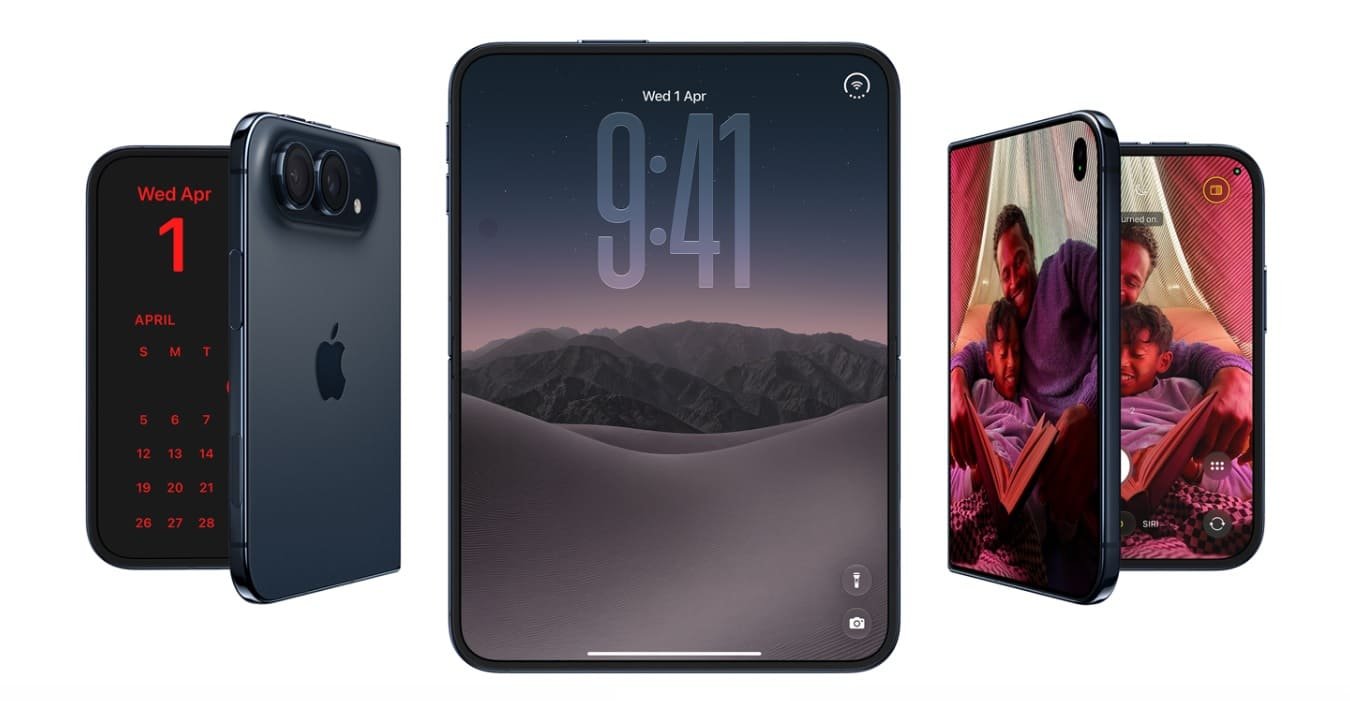
Apple’s foldable iPhone has arrived after years of leaks and speculation, but early attention is not focused solely on the hardware. The hinge and display crease are important parts of any foldable, yet the bigger question is how Apple has adapted iOS to a larger, flexible screen.
That software experience could ultimately determine whether the iPhone Duo feels like a conventional iPhone that happens to fold or a genuinely different category of Apple device.
Apple Had More to Solve Than the Hinge
Foldable hardware has become increasingly mature, with manufacturers spending years refining hinges, displays and durability. That makes the software arguably just as important as the physical design.
Apple’s challenge was therefore not simply to make iOS fit a folding display. It had to rethink how familiar iPhone interactions work when the available screen area can change depending on how the device is positioned.
This is where the iPhone Duo could have its biggest opportunity.
iOS Designed Around the Fold
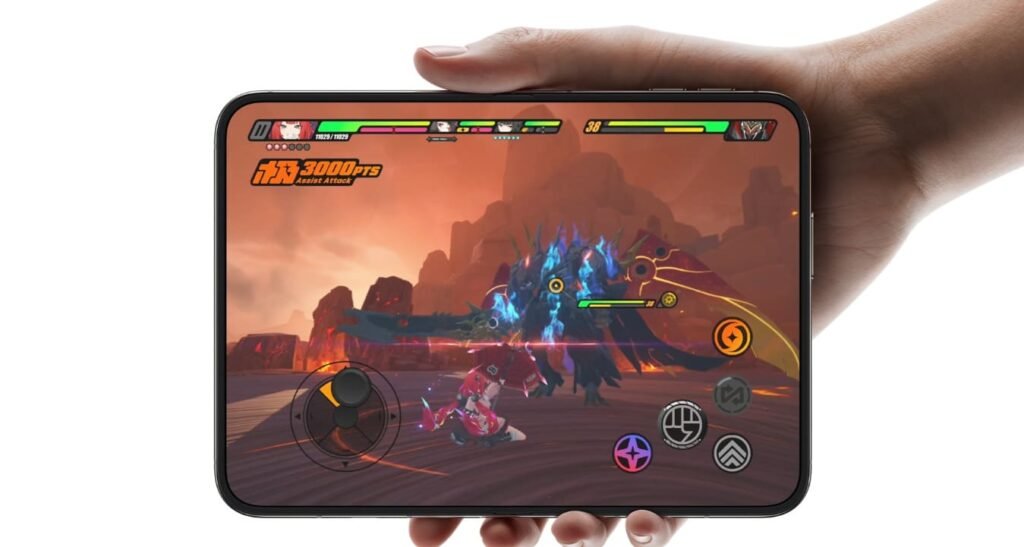
Rather than simply stretching the existing iPhone interface across a larger panel, Apple’s approach is expected to put greater emphasis on how apps, controls and multitasking respond to the additional screen real estate.
That distinction matters.
Android foldables have already demonstrated that a larger display can provide more room for applications, split-screen workflows and multitasking. But the quality of the experience depends heavily on how individual apps and the operating system respond to the changing screen layout.
Apple has an advantage in controlling both the hardware and software. That gives it greater control over how system apps, animations, gestures and transitions behave when the phone moves between folded and unfolded states.
The Crease May Not Be the Main Story
The display crease and hinge are likely to remain points of discussion, particularly for buyers comparing the iPhone Duo with established foldable phones.
However, these elements may become less important once the novelty of the hardware wears off.
A foldable is ultimately used through its software. If the interface makes the transition between compact and expanded modes feel natural, users may pay less attention to the physical mechanism itself.
This is also why Apple’s approach to animations, app layouts and multitasking could matter more over the long term than the initial impression of the hinge.
Apple’s Bigger Test Is the Everyday Experience
The interesting question is not whether Apple can build a foldable phone. The company has had years to study the category while Android manufacturers have experimented with different form factors.
The more important test is whether Apple can make folding feel useful rather than simply different.
A successful implementation would make the larger display useful when the device is opened, while retaining the familiar iPhone experience when it is closed. Ideally, the transition should require little thought from the user.
That could make the iPhone Duo feel less like an iPhone with a folding screen and more like a new type of iPhone.
Why the UI Could Define the iPhone Duo
The first generation of any new Apple product category is inevitably judged by its hardware. But once foldable displays and hinges become familiar, software becomes the differentiator.
Apple’s strength has traditionally been the integration between its hardware, operating system and applications. If that philosophy carries over successfully to the iPhone Duo, the software could become the feature users remember most.
For the foldable iPhone, the biggest story may therefore not be how well the screen folds, but how naturally the software changes with it.
