

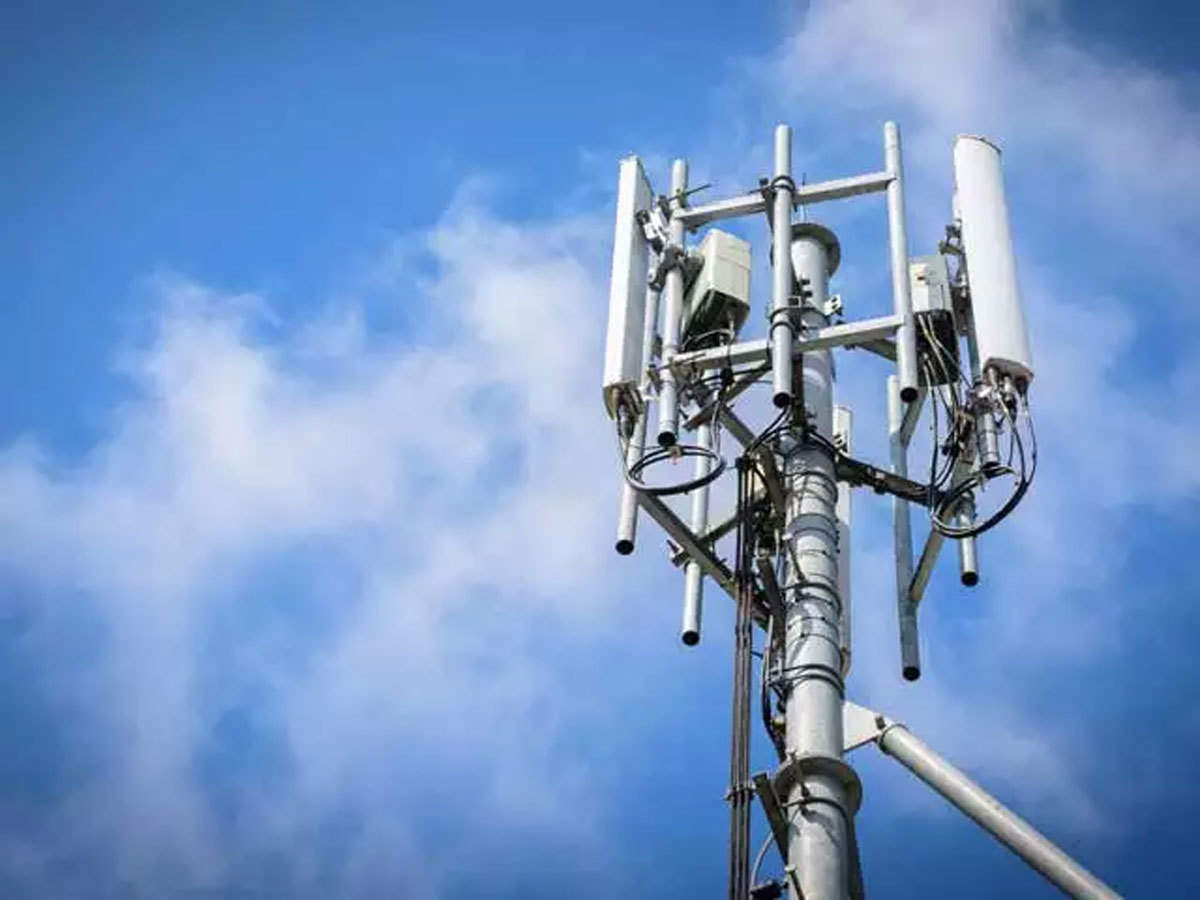
The ongoing BSNL Vi infra sharing talks are expanding beyond traditional telecom infrastructure, with Bharat Sanchar Nigam Limited (BSNL) and Vodafone Idea Limited (Vi) exploring additional areas of potential cooperation.
According to information provided by the Department of Telecommunications (DoT) to the Parliamentary Standing Committee on Communications and Information Technology, BSNL and Vi have identified several potential areas for further collaboration, including 4G and 5G infrastructure, captive non-public networks, smart infrastructure, IoT, AI, cloud, edge infrastructure, data centres and enterprise services.
However, these areas have been identified as potential avenues for cooperation, and the commercial and operational details have not yet been finalised.
BSNL Vi Infra Sharing Talks Expand Beyond Towers
The initial focus of infrastructure sharing between BSNL and Vi has been on telecom network assets. The latest discussions indicate that the potential scope could become much broader.
The areas identified for possible cooperation include:
- 4G and 5G infrastructure
- 5G Captive Non-Public Networks (CNPN)
- Smart infrastructure
- Internet of Things (IoT)
- AI infrastructure
- Cloud services
- Edge infrastructure
- Data centres
- Enterprise services
- Digital public services
- Content delivery
- Digital platforms
- E-commerce enablement
- Edge logistics
The DoT has clarified that these areas represent potential ways forward and that further discussions are required before any specific commercial arrangement is finalised.
Why Vodafone Idea Needs Infrastructure Sharing
For Vodafone Idea, greater access to existing infrastructure could help accelerate network expansion while reducing the need to independently build every network asset.
The company is investing heavily in expanding its 4G and 5G network, but network deployment requires substantial capital expenditure. Sharing existing infrastructure can potentially reduce duplication of investment and shorten the time required to enter new locations.
This could be particularly useful for Vi as it attempts to improve network coverage and retain customers against Reliance Jio and Bharti Airtel.
Infrastructure sharing does not eliminate Vi’s requirement for network investment, but it could allow the company to deploy capital more efficiently in selected markets.
BSNL’s Infrastructure Could Help Vi Expand Faster
BSNL operates an extensive telecom infrastructure footprint across India, including a large presence in rural and semi-urban areas.
If the two companies expand their infrastructure-sharing arrangements, Vi could potentially use suitable BSNL infrastructure to accelerate network deployment in locations where building new sites independently would take more time or require additional capital.
For BSNL, such arrangements could also provide an opportunity to improve the utilisation of its existing infrastructure and generate additional commercial value from network assets.
The actual benefits, however, will depend on the locations covered, technical compatibility, commercial terms and the final agreements between the two companies.
Government’s Role in BSNL and Vodafone Idea
The relationship between BSNL and Vodafone Idea is particularly significant because both companies have a connection with the Government of India, although their ownership structures are different.
The Government of India owns 100% of BSNL.
In Vodafone Idea, the Government of India became a major shareholder after converting certain outstanding spectrum and AGR-related dues into equity. The government’s stake is around 49%, making it one of Vi’s largest shareholders.
Therefore, it is not accurate to describe the government as simply owning both companies in the same manner. BSNL is a fully government-owned telecom company, while Vodafone Idea remains a private-sector company with the government as a significant shareholder.
This distinction is important when assessing the potential infrastructure-sharing arrangement.
BSNL Vi Infra Sharing Could Support 5G Expansion
One of the potentially important areas of cooperation is 5G infrastructure.
Vodafone Idea has been expanding its 5G network while continuing to strengthen its 4G footprint. Access to existing infrastructure could help the company accelerate deployment in selected locations.
The potential cooperation around 5G Captive Non-Public Networks (CNPN) could also create opportunities in the enterprise segment.
CNPNs are private mobile networks designed for specific organisations or locations, such as factories, campuses, ports, logistics facilities and other enterprise environments.
If BSNL and Vi eventually collaborate in this area, the two operators could potentially use their respective infrastructure and technology capabilities to target enterprise connectivity opportunities.
However, CNPN collaboration remains a potential area of cooperation, rather than an already-finalised BSNL-Vi commercial service.
BSNL Vi Infrastructure Sharing: Potential Areas
| Parameter | Existing Infrastructure Sharing | Potential Expanded Cooperation |
|---|---|---|
| Network Assets | Towers and related infrastructure | Towers, fibre and other network assets |
| 4G Services | Infrastructure utilisation | Wider network deployment |
| 5G Services | Limited/ongoing deployment | Potential infrastructure cooperation |
| Enterprise | Separate offerings | Potential CNPN and enterprise collaboration |
| IoT | — | Potential cooperation |
| Cloud & Edge | — | Potential cooperation |
| Data Centres | — | Potential cooperation |
| Digital Services | — | Potential cooperation |
The expanded model should therefore be viewed as a potential framework for cooperation, rather than a confirmed joint infrastructure platform covering all of these areas.
What BSNL Vi Infrastructure Sharing Could Mean for Consumers
If the infrastructure-sharing discussions eventually result in broader commercial agreements, consumers could benefit from faster network expansion in selected locations.
Potential benefits could include:
- Faster 4G rollout: Vi could potentially use existing BSNL infrastructure to deploy services more quickly in suitable areas.
- Faster 5G expansion: Shared infrastructure could reduce the time required to establish new network sites.
- Better network availability: Additional sites could improve coverage and network capacity in underserved areas.
- More efficient capital deployment: Infrastructure sharing could reduce duplication of network investment.
However, customers should not expect an immediate network improvement solely because discussions are taking place. The actual impact will depend on the final agreements and subsequent network deployment.
Vodafone Idea Subscriber Growth Adds Importance to Network Expansion
The BSNL Vi infrastructure-sharing discussions come at an important time for Vodafone Idea.
In its Q1 FY27 results, Vi reported a positive change in its subscriber trend. Its mobile subscriber base increased to approximately 193.1 million, compared with 192.8 million in the previous quarter.
Vi also reported an ARPU of Rs 195, while its net loss narrowed to Rs 3,754 crore during Q1 FY27.
The subscriber addition is significant because maintaining customer growth will require Vi to continue improving network coverage, capacity and service quality.
Greater access to suitable infrastructure could therefore support Vi’s broader objective of strengthening its competitive position in the Indian telecom market.
What Happens Next?
The next stage of the BSNL Vi infra sharing talks will depend on further technical and commercial discussions between the two companies.
The areas identified by the DoT and the Parliamentary Committee provide a broad framework for potential cooperation, but they should not be interpreted as finalized agreements.
The key developments to watch will include:
- Finalisation of commercial terms
- Identification of infrastructure that can be shared
- Expansion of 4G and 5G infrastructure cooperation
- Potential enterprise and CNPN partnerships
- Cloud, edge and data-centre collaboration
- Deployment of shared infrastructure in additional locations
If the discussions translate into commercially viable agreements, the partnership could provide both companies with an opportunity to improve infrastructure utilisation and reduce duplication of investment.
BSNL Vi Infra Sharing Talks: Key Takeaway
The BSNL Vi infra sharing talks are potentially expanding beyond conventional tower infrastructure to cover a wider range of telecom and digital infrastructure opportunities.
For Vodafone Idea, access to suitable BSNL infrastructure could help accelerate its 4G and 5G network expansion while allowing the company to deploy its capital more efficiently.
For BSNL, infrastructure sharing could provide additional opportunities to monetise its extensive network assets and strengthen its enterprise and digital infrastructure business.
However, the broader areas including 5G CNPN, AI, cloud, edge infrastructure, data centres, IoT and enterprise services remain potential collaboration areas and should not be treated as finalized agreements at this stage.
If the two companies successfully convert these discussions into commercial arrangements, the partnership could become an important development for India’s telecom infrastructure landscape.
