


The solid Vi ARPU growth Q4 FY26 report shows the fastest annual ARPU growth rate among Indian telcos at 8.3 percent, bringing its average to Rs 189.9. Driven by 4G/5G upgrades and higher data consumption, Vi is narrowing its internal margin gaps, though Bharti Airtel continues to lead the industry in absolute ARPU at Rs 264.
The latest Vi ARPU growth Q4 FY26 data highlights a major turnaround milestone for Vodafone Idea. Vi ARPU growth Q4 FY26 surged by an impressive 8.3 percent year-on-year, bringing its customer Average Revenue Per User (ARPU) to Rs 189.9 (excluding machine-to-machine connections). This percentage expansion outpaced the latest reported annual growth rates of market leaders Bharti Airtel and Reliance Jio.
However, the telecom landscape remains a story of two metrics: while Vodafone Idea delivered the fastest percentage expansion, Bharti Airtel continues to hold a dominant lead in absolute ARPU at Rs 264, followed by Reliance Jio at Rs 215.6.
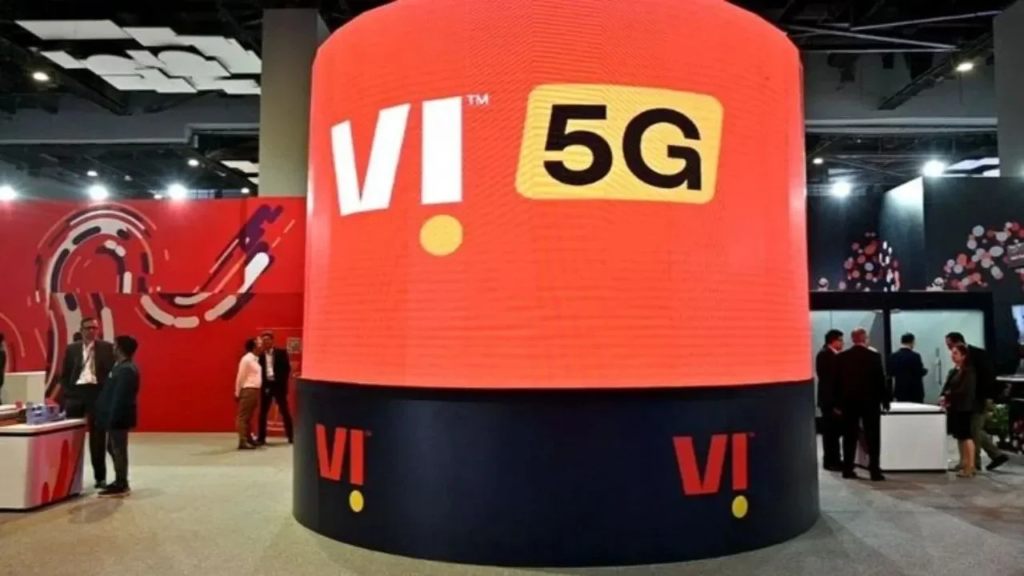
Understanding the Comparison: Reporting Periods and Metrics
It is important to evaluate the numbers in context. While Vi ARPU growth Q4 FY26 figures stem from Vodafone Idea’s March 2026 quarter earnings disclosure, Bharti Airtel and Reliance Jio published their latest metrics for Q1 FY27. Thus, the analysis serves as a comparison of each operator’s latest reported annual growth trajectory rather than a single-quarter comparison.
| Operator | Latest Reported ARPU | Year-Ago ARPU | YoY Growth Rate | Reporting Period |
| Vodafone Idea (Vi) | Rs 189.9 | Rs 175.3 | 8.3% | Q4 FY26 |
| Bharti Airtel | Rs 264.0 | Rs 250.0 | 5.4% | Q1 FY27 |
| Reliance Jio | Rs 215.6 | Rs 208.8 | 3.3% | Q1 FY27 |
Key Drivers Behind Vi ARPU Growth Q4 FY26 Expansion
Vodafone Idea attributed its strong performance—marking nineteen consecutive quarters of sequential improvement—to organic tariff repricing, ongoing 2G-to-4G/5G user migration, and increased network data engagement.
- Subscriber Mix Upgrade: Vi’s high-speed 4G/5G broadband base expanded to 128.9 million at the end of Q4 FY26, up from 126.4 million a year earlier. High-speed data users now comprise 66.9 percent of Vi’s total customer base of 192.8 million.
- The Power of Unlimited Data: According to Vi’s investor filings, subscribers on unlimited-data plans generate approximately 3.4 times the ARPU of non-unlimited users.
- Surging Network Engagement: Average daily data payload on Vi’s network jumped 30.1 percent year-on-year to reach 83 Petabytes (PB) in Q4 FY26, supported by the deployment of over 17,300 new broadband towers.
- Targeted Commercial Offerings: Vi expanded its “Limitless” data proposition across 20 circles, reinforced its “Vi Nonstop Hero” campaign, and introduced structured family add-on packs to drive postpaid adoption.
Absolute ARPU Leaders: Airtel and Jio Maintain Scale
Despite the rapid rate seen in Vi ARPU growth Q4 FY26, both Bharti Airtel and Reliance Jio continue to operate at significantly higher revenue scale per subscriber.
- Bharti Airtel (Rs 264 ARPU): Airtel’s industry-leading ARPU is anchored by a high concentration of premium users. Smartphone data users represent 80.5 percent of Airtel’s total subscriber base, alongside a record-high postpaid customer footprint of 30 million.
- Reliance Jio (Rs 215.6 ARPU): Jio ended Q1 FY27 with a massive total subscriber base of 533.3 million, including over 285 million active 5G users. Jio attributed its Rs 6.8 year-on-year ARPU increase to subscriber mix adjustments and deeper digital engagement across its ecosystem.
Industry Implications and What It Means for Consumers
For Indian mobile users, the focus across all three private operators on organic ARPU expansion reflects an industry-wide transition toward portfolio premiumisation:
- Migrating Upward: Telecom operators are incentivizing users to move from entry-level voice packs to high-tier unlimited 4G/5G plans bundled with secondary family SIMs and OTT services.
- Infrastructure Investments: Strong Vi ARPU growth Q4 FY26 trends generate the necessary operational cash flow for Vodafone Idea to execute its planned capital expenditures (such as its 3-year Rs 45,000 crore capex drive) to strengthen network coverage.
