

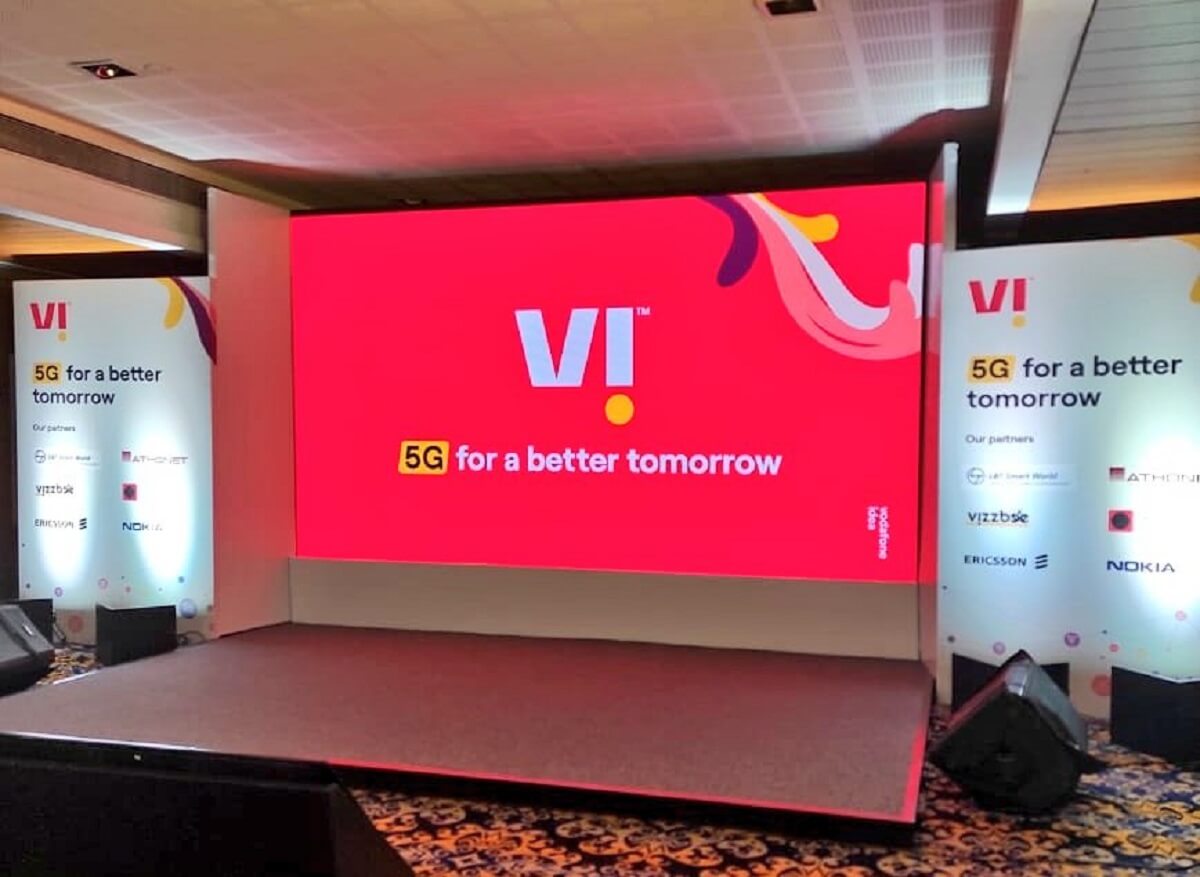
Vodafone Idea’s large 2G customer base could become an important growth opportunity if the operator successfully migrates users to 4G and 5G services.
Vi 2G users could become one of Vodafone Idea’s most important opportunities for improving revenue and network utilisation. The company has said that around 34% of its customer base remains on 2G networks, creating a sizeable pool of subscribers that could potentially migrate to 4G or 5G services.
Vodafone Idea has been working to expand its 4G footprint while gradually introducing 5G services across India. While network expansion and new subscriber additions receive considerable attention, converting existing 2G customers could provide the operator with another route to increase data usage and average revenue per user (ARPU).
Vi 2G Users Remain a Large Customer Segment
The size of the Vi 2G users base makes migration an important consideration for Vodafone Idea. A significant portion of the company’s subscribers continues to use legacy 2G connectivity, despite the increasing availability of 4G and 5G services in India.
There can be several reasons behind this behaviour. Some customers may live in locations where 4G coverage has historically been weaker, while others may continue using basic phones and have little immediate need for mobile data.
For Vodafone Idea, understanding these different customer groups will be essential before it can successfully move them towards newer network technologies.
Why Vi 2G Users Matter for ARPU Growth
Moving Vi 2G users to 4G or 5G could have a direct impact on the company’s revenue potential. Customers using smartphones and consuming mobile data generally have more opportunities to use higher-value tariff plans than subscribers relying primarily on voice and SMS services.
Once a customer begins using mobile data regularly, their consumption can increase over time through video streaming, social media, online payments, gaming and other digital services.
This creates an opportunity for Vodafone Idea to improve the value generated from its existing subscriber base without depending entirely on acquiring new customers.
Vi Could Benefit From 4G Migration
The transition from 2G to 4G could be particularly important because 4G remains the primary mobile broadband technology for a large portion of India’s smartphone users.
Vodafone Idea has been adding new 4G sites and improving its network capacity as part of its broader network investment programme. As coverage expands, more Vi 2G users could become candidates for migration if they have compatible handsets.
The company could potentially use targeted upgrade offers, affordable smartphones and data plans to encourage these subscribers to make the transition.
5G Adds Another Upgrade Opportunity
5G provides Vodafone Idea with another potential path for premium customer migration. However, the immediate opportunity for many Vi 2G users is likely to be 4G rather than 5G.
A customer currently using a 2G handset would first need a compatible smartphone and access to adequate network coverage before benefiting from 4G or 5G services.
The long-term opportunity is nevertheless significant. Once customers move into the smartphone ecosystem, Vodafone Idea has greater scope to encourage higher data consumption and eventually migrate eligible users towards 5G services.
Vi 2G Users Could Reduce Legacy Network Dependence
Maintaining multiple generations of mobile networks requires operators to allocate spectrum, infrastructure and operational resources across different technologies.
For Vodafone Idea, reducing dependence on 2G over time could allow the company to concentrate more resources on newer technologies. Spectrum and network infrastructure can be strategically deployed to support higher-capacity services as customer behaviour changes.
This does not mean that Vodafone Idea can immediately shut down its 2G network. A substantial customer base still depends on the technology, particularly users with basic phones and those in areas where newer network availability may be limited.
A gradual migration would therefore be more realistic.
The Biggest Challenge Is the Customer’s Device
One of the biggest barriers to converting Vi 2G users is likely to be handset affordability.
A subscriber using a basic 2G phone cannot simply activate a 4G or 5G service without upgrading the device. For price-sensitive customers, purchasing a smartphone can represent a significant additional expense.
Vodafone Idea could potentially address this challenge through affordable 4G devices, financing schemes, bundled offers or partnerships with handset manufacturers.
Making the transition financially attractive could be critical to accelerating the migration of its legacy subscriber base.
Network Coverage Will Also Determine Migration
Device availability alone will not solve the problem. Vi 2G users also need reliable 4G coverage in the locations where they live, work and travel.
If a subscriber moves to a 4G smartphone but finds that coverage remains inconsistent, there may be little incentive to continue using the newer network.
This makes Vodafone Idea’s network expansion particularly important. Every new 4G site can potentially increase the addressable pool of existing customers who can be moved from legacy connectivity to mobile broadband.
BSNL Network Sharing Could Support Vi’s Expansion
Vodafone Idea has also been exploring infrastructure-sharing opportunities with state-run BSNL. Wider sharing of network infrastructure could help operators reduce capital requirements while improving coverage in areas where additional infrastructure is needed.
For Vodafone Idea, such arrangements could complement its own network expansion efforts.
If network-sharing initiatives help Vi improve coverage more quickly, the company could potentially accelerate the migration of Vi 2G users in areas where coverage has previously limited the adoption of 4G services.
Higher Data Consumption Could Improve Vi’s Economics
The migration of Vi 2G users is important not simply because of the technology upgrade, but because of what happens after the migration.
A customer moving from basic voice usage to smartphone-based mobile data can generate additional traffic across the network. Regular consumption of video, social media, cloud services and other applications can increase the customer’s dependence on mobile connectivity.
That creates opportunities for Vodafone Idea to sell higher-value plans and additional data services.
Over time, stronger data adoption could therefore contribute to higher ARPU and improve the overall value of the customer base.
Vi 2G Users Could Become a Hidden Growth Lever
Vodafone Idea has traditionally been viewed through the lens of subscriber additions, tariff increases and network expansion. However, the company’s existing customer base could provide another important growth lever.
The Vi 2G users segment represents customers who are already connected to the Vodafone Idea network. Converting these subscribers could potentially be more efficient than acquiring entirely new customers, provided the operator can overcome handset and coverage barriers.
The opportunity is particularly relevant as competition for new subscribers remains intense among India’s major telecom operators.
Vi Needs More Than Just Network Expansion
Network investment is necessary, but Vodafone Idea will also need a clear migration strategy to capture the full potential of its 2G base.
The company could combine network improvements with affordable smartphone programmes, targeted data plans and customer incentives. Retailers and distribution partners could also play a role by helping existing subscribers understand the benefits of moving to 4G.
A successful strategy would need to make the upgrade simple and affordable rather than merely encouraging customers to purchase new devices.
Vodafone Idea’s Funding Position Remains Important
The ability to convert Vi 2G users at scale will ultimately depend on Vodafone Idea’s financial capacity to continue investing in its network.
The company has been working to secure additional funding and has been in discussions with lenders regarding financing options. Greater financial flexibility would provide Vodafone Idea with more room to expand its 4G footprint and accelerate 5G deployment.
That, in turn, could create the network conditions required to migrate more legacy subscribers.
Vi 2G Users Could Support a Long-Term Turnaround
The 34% share of customers still using 2G represents both a challenge and an opportunity for Vodafone Idea.
On one hand, maintaining a large legacy customer base limits the company’s ability to maximise data revenue from those subscribers. On the other hand, successful migration could provide a substantial pool of customers for higher-value mobile broadband services.
The outcome will depend on Vodafone Idea’s ability to combine network expansion, affordable devices and attractive tariffs.
The Bigger Opportunity for Vi
Vi 2G users should not necessarily be viewed only as a legacy customer problem. They could become an important part of Vodafone Idea’s long-term growth strategy if the company can successfully transition them towards 4G and, eventually, 5G.
The potential benefits extend beyond higher data consumption. Migration could improve network efficiency, increase ARPU and strengthen customer engagement with Vodafone Idea’s broader digital services.
For a telecom operator attempting to strengthen its position in India’s highly competitive market, converting an existing 2G customer into a regular 4G or 5G data user could ultimately prove more valuable than simply adding another low-value subscriber.
