

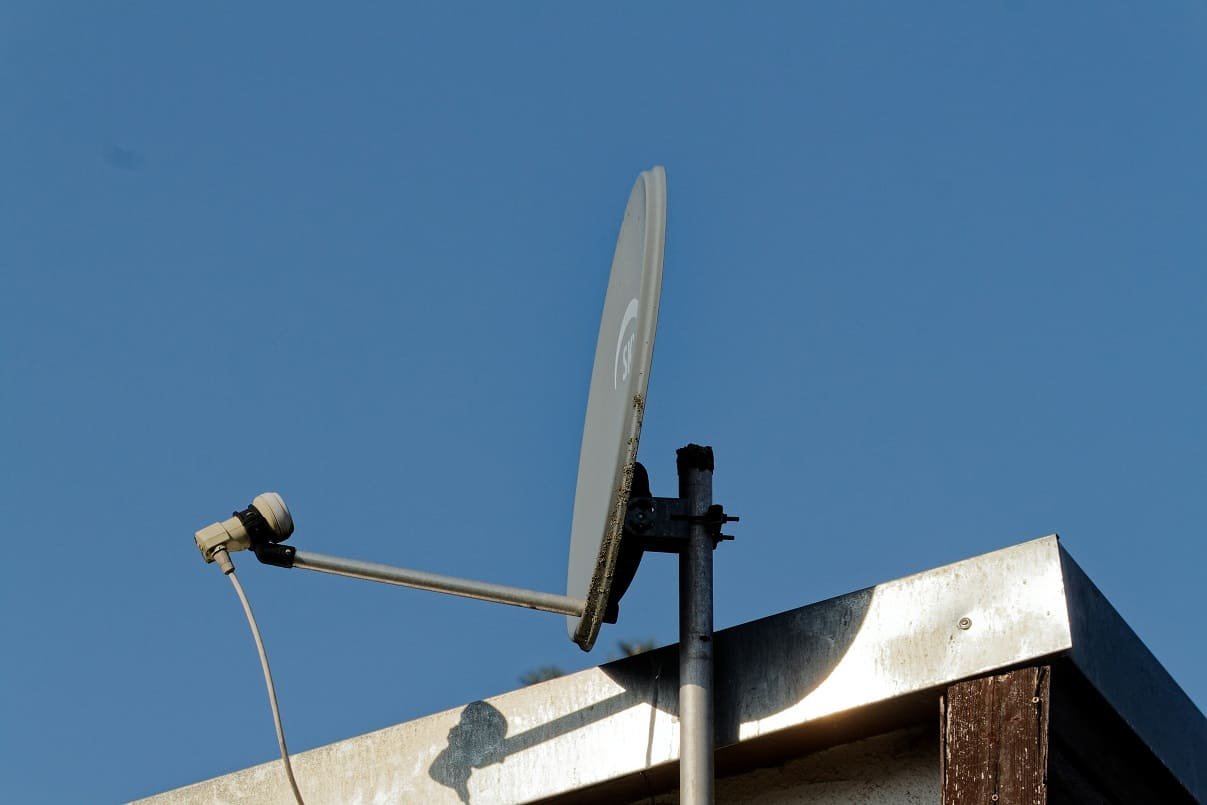
DTH and cable operators are discussing revised tariff rules with TRAI as the industry looks for greater flexibility to compete with OTT and free-to-air platforms.
The TRAI NTO review is gaining importance as DTH and cable television operators continue discussions with the Telecom Regulatory Authority of India over changes to the New Tariff Order framework. The industry is seeking greater flexibility in pricing, platform service fees and bouquet structures as traditional television distribution faces increasing pressure from OTT platforms and free-to-air content.
The ongoing discussions come at a time when consumers have more entertainment choices than ever before. Alongside conventional DTH and cable connections, viewers can access streaming services, connected-TV platforms and free-to-air channels through relatively affordable internet connections. This changing viewing behaviour is forcing television distributors to reassess how their services are priced and packaged.
TRAI NTO Review Focuses on Tariff Flexibility
The TRAI NTO review is centred on several issues affecting the commercial relationship between broadcasters, distributors and consumers. Among the key areas under discussion are platform service fees and greater flexibility in offering channel bouquets.
Under the existing tariff framework, television distribution has to operate within regulatory conditions governing channel pricing and packaging. While these rules are intended to provide transparency and protect consumers, distribution companies have argued that greater flexibility could help them respond more effectively to changing market conditions.
The latest stakeholder discussions indicate that the industry wants a framework that allows DTH and cable operators to compete more effectively without compromising consumer choice or pricing transparency.
DTH Operators Face Growing Competition From OTT
The TRAI NTO review comes against the backdrop of a significant shift in India’s entertainment ecosystem. Consumers are increasingly using broadband and mobile internet connections to watch movies, television programmes, sports and other video content through OTT services.
This trend has created additional pressure for traditional DTH and cable operators. A household that previously relied primarily on a television connection can now combine broadband with streaming subscriptions and free-to-air content.
For DTH companies, this creates a challenge because their revenue model depends heavily on recurring television subscriptions. If customers reduce their paid channel packages or disconnect their television connections altogether, operators can face pressure on both subscriber numbers and average revenue.
Cable operators face a similar challenge, particularly in markets where consumers have access to affordable broadband services.
Platform Service Fees Become an Important Issue
One of the areas receiving attention during the TRAI NTO review is the platform service fee charged by distribution platforms.
DTH and cable operators need to maintain large distribution networks, customer-support systems and infrastructure to deliver television services. Platform-related charges can therefore play an important role in the economics of the distribution business.
Industry stakeholders are seeking a commercially sustainable approach that gives operators enough flexibility to manage these costs while ensuring that consumers are not faced with excessive charges.
The issue becomes more important as traditional television operators compete against digital platforms that can deliver content directly over broadband connections.
Bouquet Discounting Could Get More Flexibility
Another important issue in the TRAI NTO review is bouquet discounting. Channel bouquets allow consumers to access multiple channels through a combined package instead of subscribing to individual channels separately.
For distributors, flexible bouquet pricing can make television packages more attractive to consumers. It can also help operators design packages around different viewing preferences, such as entertainment, sports, movies, regional programming and news.
However, excessive discounting or complicated packaging can also reduce transparency for consumers. Any changes to the framework will therefore need to balance commercial flexibility with clear pricing information.
The objective for the industry is to create packages that remain competitive without making the tariff structure difficult for subscribers to understand.
Why the NTO Framework Matters to Consumers
The TRAI NTO review could eventually have a direct impact on how television subscribers purchase channels and packages.
If greater flexibility is permitted, DTH and cable companies could potentially introduce more competitive packages or modify the way platform-related charges are presented. Depending on the final regulatory approach, consumers could benefit from more choice in selecting channels and packages.
At the same time, regulatory flexibility does not automatically mean lower monthly bills. Operators could use additional flexibility to restructure packages based on commercial requirements, while broadcasters may continue to determine prices for their channels within the applicable regulatory framework.
The eventual consumer impact will therefore depend on the final rules and how distributors implement them.
OTT Is Changing the Traditional TV Business
The TRAI NTO review also reflects a broader transformation taking place across India’s television market. Traditional broadcasting is no longer competing only against other television channels. It is increasingly competing against digital entertainment platforms for the same consumer’s time and spending.
OTT services offer on-demand access, personalised recommendations and multi-device viewing. Smartphones, tablets, smart TVs and streaming devices have made digital video accessible across different environments.
This has changed expectations among younger viewers in particular. Instead of paying for a large collection of television channels, some consumers prefer selecting individual streaming services based on the content they want to watch.
For DTH operators, retaining customers therefore requires more than simply providing television channels. Pricing, convenience, content selection and bundled services are becoming increasingly important.
Free-to-Air Platforms Add More Pressure
The growing availability of free-to-air content is another factor influencing the traditional television market.
Consumers who primarily watch news, general entertainment, regional programming and other freely available channels may have less incentive to maintain expensive paid channel packages.
This creates additional pressure on distributors to ensure that paid television offerings provide sufficient value compared with free alternatives.
The TRAI NTO review could therefore become important in determining how DTH and cable operators position their paid services while continuing to serve consumers who want affordable television access.
Industry Wants a Sustainable Distribution Model
The discussions with TRAI are taking place at a critical stage for India’s broadcasting industry. DTH and cable operators need to maintain infrastructure and customer services while dealing with competition from internet-based entertainment.
A sustainable tariff structure needs to account for these commercial realities. At the same time, regulatory changes must preserve transparency and prevent consumers from being placed at a disadvantage.
The TRAI NTO review could provide an opportunity to address some of these competing requirements by allowing distributors greater commercial flexibility while retaining safeguards for subscribers.
What Happens Next?
The current discussions do not mean that changes to the NTO framework have already been finalised. DTH and cable operators are continuing to engage with TRAI, and the final outcome will depend on the regulator’s assessment and any formal regulatory changes that may follow.
Any revised framework could have implications for broadcasters, distribution platforms and consumers. Changes to platform service fees, bouquet structures or discounting mechanisms could alter the way television packages are created and marketed.
For consumers, the key question will be whether these changes eventually translate into more flexible and better-value television packages.
The TRAI NTO review is therefore not simply a regulatory exercise. It is part of a much larger effort to determine how India’s traditional television distribution industry can remain commercially viable as viewing habits continue to move towards OTT, broadband and free-to-air alternatives.
