

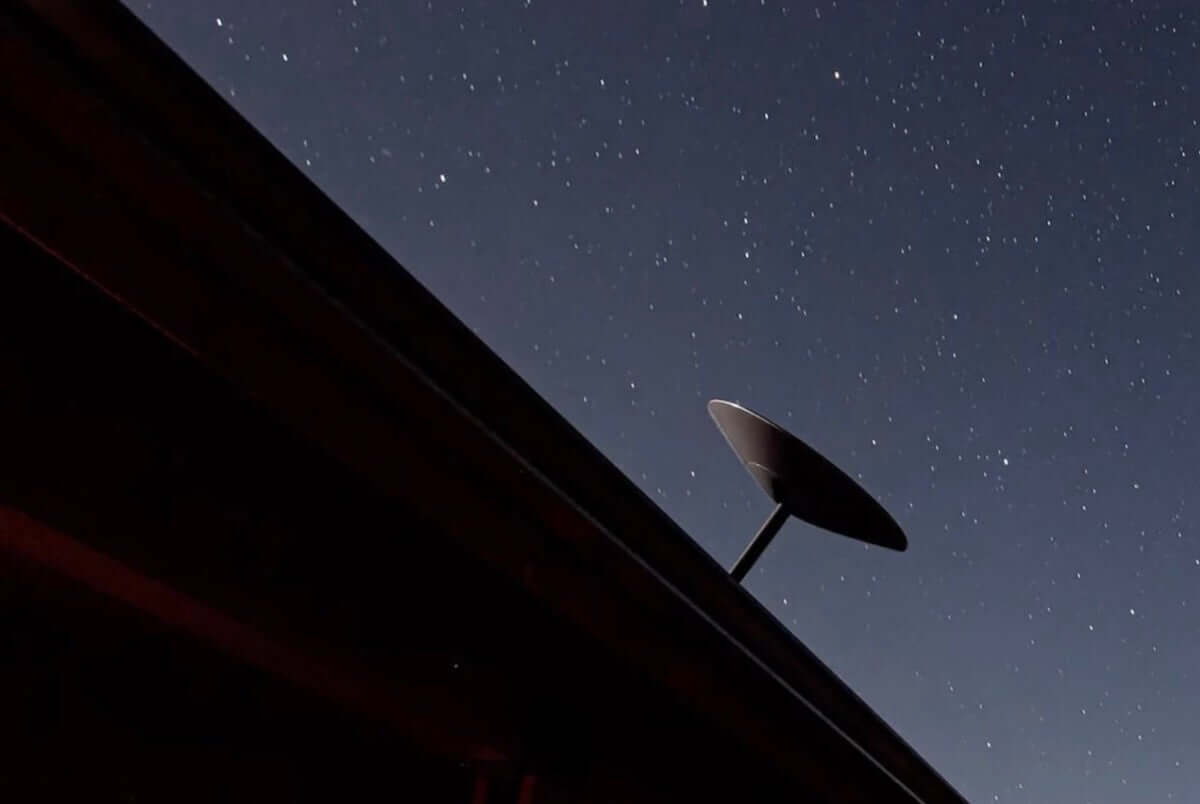
The Telecom Regulatory Authority of India (TRAI) has officially released its Indian Telecom Services Performance Indicator Report for the quarter ending March 31, 2026. The data highlights a structural consolidation across the country’s media distribution ecosystem, with traditional Direct-to-Home (DTH) satellite operators facing major subscriber erosion.
According to the audited metrics, India’s pay DTH subscriber base has dropped past a critical psychological floor, falling below the 50 million household mark for the first time in recent broadcasting history. This ongoing contraction highlights a clear shift in living room viewing habits, as high-speed broadband availability, connected TVs, and over-the-top (OTT) applications continue to draw premium households away from legacy linear television bouquets.
The Cord-Cutting Reality: Pay DTH Structural Decline
The continuous drop in the core pay DTH subscriber base reveals that traditional pay-TV configurations are losing their grip on urban mass markets. The 1.94 million user drop recorded during the first quarter of 2026 continues a multi-quarter downward trend that has erased millions of satellite connections from operator balance sheets over the past 24 months.
Industry analysts point out that this market contraction is happening because premium households are splitting in two directions. Top-tier, multi-device homes are cutting the cord completely, shifting their entertainment spending toward high-speed fiber lines and connected Smart TVs running OTT platforms.
Meanwhile, cost-conscious consumers in rural and semi-urban markets are increasingly abandoning monthly pay bundles to opt for public broadcaster Prasar Bharati’s free-to-air DD Free Dish platform, which requires zero ongoing monthly subscription fees.
Operator Boardroom Dominance: Market Share Layout
Despite the shrinking addressable market, competition within the remaining private satellite landscape remains highly concentrated. The sector is currently maintained by four active providers:
| Private DTH Operator | Active Market Share (March 2026) | Estimated Active Subscriber Lines | Corporate Position & Trajectory |
| Tata Play | 31.42% | ~15.41 million | Market leader; relying heavily on hybrid Android smart boxes. |
| Bharti Telemedia (Airtel) | 30.20% | ~14.81 million | Rapidly closing the gap; benefits from home broadband packaging. |
| Sun Direct TV | 19.32% | ~9.47 million | Strong southern regional presence; uses localized pricing hedges. |
| Dish TV India | 19.06% | ~9.34 million | Slides to fourth position; facing intense churn in metros. |
The IPTV Alternative: Airtel’s Convergence Leverage
While standard satellite dishes are facing declining demand, the data highlights a clear bright spot for telecom-backed television delivery. Internet Protocol Television (IPTV)—which routes standard live television channels directly over high-speed home broadband fiber instead of a satellite dish—is experiencing massive growth, led almost entirely by Bharti Airtel.
According to the TRAI data, Airtel’s active IPTV subscriber base surged to 35.95 lakh (3.59 million) lines by March 31, 2026, climbing from 25.41 lakh lines in December 2025. This represents a remarkable 41.5 percent sequential quarterly growth.
By bundling live IPTV streams with high-speed home fiber networks and OTT subscription access into a single, unified bill, telecom operators are successfully capturing the high-value consumer segment that is moving away from traditional standalone DTH setups.
What is causing the massive drop in India’s pay DTH subscriber base?
The decline is primarily driven by changing consumer viewing preferences. High-income urban households are increasingly shifting toward OTT streaming applications and connected TV services, while value-conscious viewers are migrating to free television options like DD Free Dish.
What do the latest TRAI numbers show about the quarterly subscriber drop?
The TRAI report for the March 2026 quarter shows that active pay DTH connections dropped from 50.99 million down to 49.05 million households, representing a loss of nearly 1.94 million active lines over a single 90-day tracking window.
Does this TRAI data include users of free satellite services?
No. These specific metrics track only premium, paid commercial DTH operations. Public broadcaster platforms, such as Prasar Bharati’s DD Free Dish, are excluded from these private platform subscription tallies.
What is IPTV, and how fast is it growing in India?
Internet Protocol Television (IPTV) delivers live television channels over a broadband fiber network instead of a traditional satellite dish. The segment is experiencing massive growth, with market leader Bharti Airtel expanding its IPTV base by over 129 percent over a six-month period to reach 35.95 lakh subscribers.
Conclusion
The findings from the latest TRAI Performance Indicator Report prove that traditional television distribution networks are navigating a critical turning point. Pushing past the 50 million household baseline shows that the pay DTH sector is no longer immune to widespread digital disruption. While legacy brands like Tata Play and Dish TV work to manage this structural drop by launching hybrid smart-boxes, telecom aggregators like Airtel are successfully using fiber networks to capture these migrating users via high-growth IPTV solutions. As broadband connectivity continues its rapid expansion across India, the television landscape will increasingly prioritize unified, internet-backed streaming ecosystems over traditional satellite delivery.
For the latest tech news, follow TelecomByte on X, Facebook and Google News.
