

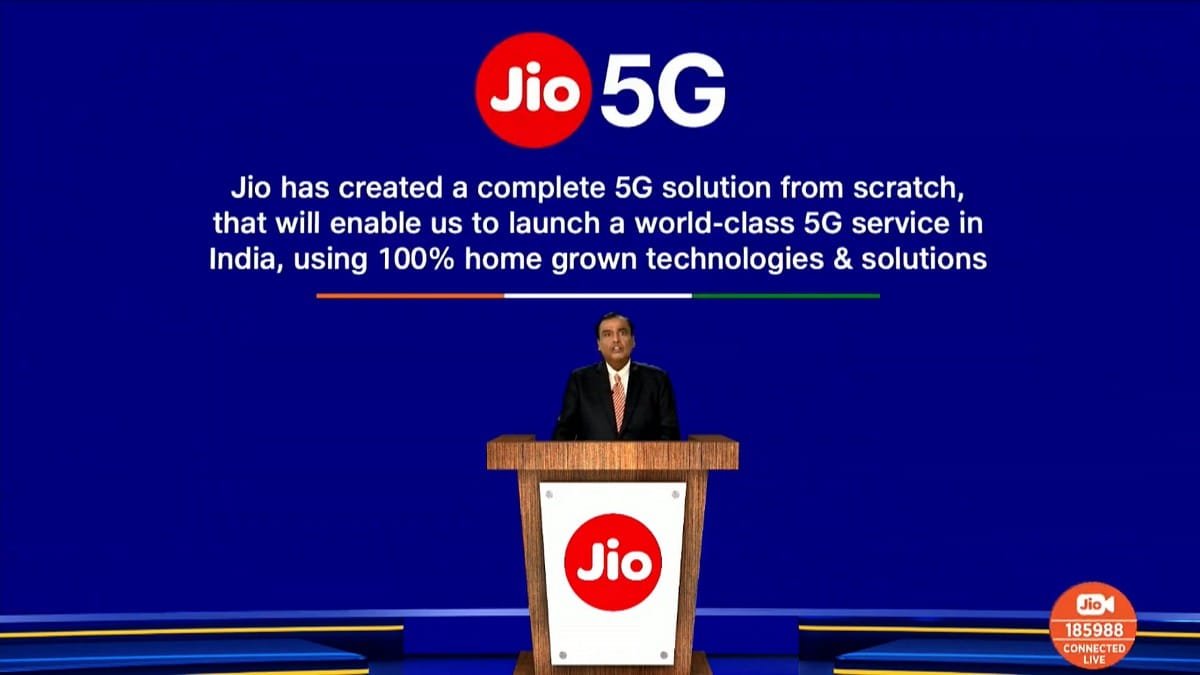
Reliance Industries has announced June 5, 2026, as the record date to determine shareholder eligibility for the dividend payout for the financial year 2025-26.
Reliance Industries Limited (RIL) stands as a dominant force in the Indian telecommunications landscape, distinguished for its comprehensive portfolio that spans various sectors, including petrochemicals, refining, oil, telecommunications, and retail. Founded in 1960 by Dhirubhai Ambani, RIL has evolved into a significant player with its ambitious strategy and innovative business approaches, making it the largest publicly traded company in India. Its journey is marked by milestones that reflect both its resilience and growth, particularly in the telecom domain.
Launched in September 2016, Jio Platforms Limited is the telecommunications arm of Reliance Industries and has transformed the connectivity landscape across India. The advent of Jio was marked by the introduction of competitive pricing, which forced traditional telecom operators to adjust their strategies, leading to unprecedented growth in Internet users in the country. Jio’s entry into the market stimulated the development of digital services and applications, facilitating a shift toward a more data-driven economy.
The significance of RIL and Jio Platforms is palpable, as they play a crucial role in powering India’s digital transformation. Reliance Industries, as the parent conglomerate, has consistently leveraged technological advancements and consumer preferences to pioneer services that cater to a diverse range of users. Over the years, Jio has introduced various services, including 4G data plans, mobile services, and fiber broadband, significantly improving the accessibility of telecommunications throughout the nation.
As the company prepares for its 49th Annual General Meeting (AGM), clarity around the anticipated Jio IPO becomes imperative, especially in the wake of financial discussions centered on dividends and corporate strategy. The developments at this meeting can potentially provide valuable insights into the forward-looking trajectory of both RIL and Jio Platforms, emphasizing their continuing impact on the Indian telecom sector and the economy at large.
The Significance of the 49th AGM
The upcoming 49th Annual General Meeting (AGM) of Reliance Industries Limited, scheduled for June 19, 2026, holds considerable significance for the company and its stakeholders. This meeting is not merely a routine gathering; it marks a pivotal moment as it precedes the company’s 50th AGM, a milestone that symbolizes five decades since Reliance’s initial public offering (IPO). This significant anniversary provides an opportunity for the company to reflect on its journey and achievements over the years, reinforcing its standing in the market and among investors.
The 49th AGM will likely serve as a platform for unveiling future strategies and initiatives that aim to enhance shareholder value and drive growth. Investors are eager to gain insights into key developments concerning Jio, particularly with the impending ambiguity regarding its IPO. The AGM presents an occasion for the management to convey their vision and expectations for the future, which is vital for maintaining investor confidence and engagement.
This meeting also emphasizes the importance of transparency and communication between the company and its shareholders. Stakeholders will be keen on understanding how Reliance plans to navigate the evolving landscape of the telecommunications sector, especially in light of increasing competition and market dynamics. The significance of the AGM is underscored by its potential to address pressing investor questions, especially about dividends and company performance during turbulent economic times.
Moreover, the gathering facilitates the opportunity for shareholders to voice their opinions and concerns, allowing them to play an active role in the decision-making process of this influential corporation. Overall, the 49th AGM is crucial, as it sets the tone for the future while celebrating the historic achievements of Reliance since its IPO.
Record Date for Dividend Eligibility
Reliance Industries Ltd. has announced June 5, 2026, as the record date for determining eligibility for dividends for the financial year 2025-26. This announcement is an important milestone for shareholders, as it directly affects their ability to receive dividends declared by the company. The record date serves as a cutoff point that establishes which shareholders are entitled to the financial benefits distributed by the company.
Shareholders on the record date who hold shares will be eligible for dividends; those who acquire shares after this date will not qualify for the upcoming dividend payment. Thus, it is crucial for investors to be aware of this date as they make decisions regarding the buying and selling of shares. The implications of the record date are significant, particularly for those investors initiating new investments in Reliance Industries or adjusting their existing portfolios.
Furthermore, dividends are often viewed as a sign of a company’s financial health and commitment to returning profits to its shareholders. Therefore, understanding the record date can enhance shareholder engagement and satisfaction, providing insight into their investment performance. Investors anticipating the dividend distributions should ensure that their stocks are registered by the specified record date to take advantage of the upcoming financial benefits. This strategic foresight can potentially impact their overall investment returns, as dividends can play a vital role in enriching a portfolio.
In summary, June 5, 2026, marks a critical date for shareholders of Reliance Industries as it determines their eligibility for dividends. Stakeholders should act accordingly to optimize their investment opportunities and ensure they remain in a favorable position ahead of the dividend announcement.
Expected Dividend Payments Timeline
In the wake of the highly anticipated 49th Annual General Meeting (AGM) of Reliance Industries, investors are keenly watching for announcements regarding potential dividend payments. If the board of directors declares a dividend, it is important to understand the associated timeline and processes for the distribution of these funds.
Typically, dividends are declared during the AGM, followed by a series of steps that culminate in the actual payment to shareholders. Following the declaration, a record date is set, which is crucial for determining which shareholders are entitled to receive dividends. This date is generally a few days after the AGM, allowing for necessary administrative processes.
Once the record date is established, it will be announced publicly; consequently, shareholders must own the shares prior to this date to be eligible to receive the dividends. Payments are generally processed within a few weeks after the record date. This means that if a dividend is declared during the AGM, shareholders can expect the payment to be made approximately 4 to 6 weeks following the meeting, assuming there are no unforeseen delays.
Moreover, the payment method for dividends can vary; for instance, they may be credited directly to shareholders’ bank accounts or issued as physical checks. Shareholders may also have the option to reinvest dividends in additional shares through a Dividend Reinvestment Plan (DRIP), if offered by the company.
Thus, while the anticipation for dividends is building among investors, it is paramount to stay updated on the formal announcements that will follow the AGM to ensure an understanding of when the dividend payments will be made, along with specific eligibility requirements.
Jio Platforms Limited IPO Overview
The anticipated Initial Public Offering (IPO) for Jio Platforms Limited is generating significant interest in the investment community, with projections indicating a substantial size nearing $4 billion. This IPO stands out as it is expected to be one of the largest in India’s history, marking a landmark event in the country’s capital markets. The unique aspects of the Jio IPO are noteworthy, particularly its potential to reshape investor sentiment and the telecommunications landscape in India.
Jio Platforms, a subsidiary of Reliance Industries Limited, has fundamentally transformed the telecom space since its launch, providing affordable data plans and reaching millions of users across the nation. The company has effectively established a robust digital ecosystem, integrating various services such as telecommunications, digital content, and e-commerce, enhancing its appeal to a diverse customer base and, consequently, potential investors.
The IPO not only aims to raise capital for expansion but also symbolizes a strategic move to unlock value for stakeholders. Market observers suggest that the overwhelming response to Jio’s services during the past few years positions it favorably among investors. The anticipated funds from the IPO are projected to be utilized in enhancing infrastructure, expanding service offerings, and pursuing new digital initiatives, which could further consolidate Jio’s dominant market position.
Moreover, in juxtaposition with previous IPOs, the Jio IPO reflects a shift towards technology-driven companies gaining prominence in the stock market. Its launch could potentially attract a new wave of retail and institutional investors looking to capitalize on the digital revolution in India. As such, this IPO not only serves as a financial maneuver for Jio Platforms but also aligns with broader market trends focusing on digital growth and connectivity, making it a pivotal event for the country’s economic landscape.
What to Expect Regarding Jio IPO Clarity at the AGM
The 49th Annual General Meeting (AGM) of Reliance Industries is highly anticipated by investors and analysts alike, particularly concerning the clarity surrounding the Jio IPO. As Jio continues to expand its footprint in the telecommunications and digital services sectors, stakeholders are keen to gain insights into the potential timeline for the initial public offering. Industry insiders speculate that the management might unveil strategic plans concerning the IPO, which has remained under discussion for some time now.
One critical aspect likely to be addressed during the AGM is the share structure of the upcoming Jio IPO. Investors will be eager to understand how Reliance plans to structure the offering, including the proportion of shares that will be made available to the public and any decisions relating to pricing. This information is vital for potential investors as it can significantly influence the market perception and investment decisions regarding the Jio IPO.
Furthermore, we can expect the management to provide updates on Jio’s financial performance and its recent business advancements, which could offer valuable context for the IPO. Analysts are closely monitoring how the incumbent market dynamics, regulatory developments, and competitive landscape will shape Jio’s growth trajectory, as these factors are instrumental in pricing the IPO appropriately.
In summary, the AGM is poised to be a pivotal event for Reliance shareholders and stakeholders interested in Jio’s IPO. The anticipated disclosures regarding the timeline, share structure, and other relevant information will likely have a significant impact on Jio’s market positioning and investor confidence in the forthcoming offering.
Recent Developments and Updates on Jio IPO
Recent reports regarding the Jio Initial Public Offering (IPO) have shed significant light on its structure and implications for investors. The most notable update is the decision that the IPO will consist solely of fresh shares, which indicates an effort to raise new capital rather than an offer for sale (OFS) of existing shares by current stakeholders. This strategic choice is vital as it alters the overall dynamics of capital generation for the company, potentially impacting its future growth trajectory.
By opting for a fresh share issuance, Reliance Jio aims to infuse substantial liquidity into its operations, which can be utilized for expansion purposes, technology upgrades, and enhancing its service capabilities. This freshly raised capital is essential to maintain a competitive edge in a technology-driven telecommunications market where rapid evolution and innovation are key. Moreover, the decision could instill greater investor confidence, given that funds raised will contribute directly to growth, rather than merely rearranging ownership among existing shareholders.
The implications of this decision extend beyond the immediate financial landscape. An IPO featuring fresh shares may attract a wider array of institutional and retail investors, enhancing the stock’s marketability post-listing. Furthermore, it allows for an evaluation of Jio’s current valuation without the distortions that an offer for sale might introduce, possibly leading to a more favorable reception in the market. As more specifics of the IPO emerge with Reliance’s 49th Annual General Meeting (AGM) approaching, stakeholders are keenly observing how this will position Jio within the broader investment community.
FAQs: Key Questions Regarding the AGM and Jio IPO
The 49th Annual General Meeting (AGM) of Reliance Industries Ltd. is anticipated with significant interest, especially concerning the Jio IPO. Below are some frequently asked questions that clarify crucial aspects of the AGM and the Jio IPO.
What is the date and location of the RIL AGM?
How can shareholders participate in the AGM?
What will be discussed regarding the Jio IPO?
Are dividends being announced at the AGM?
How will the Jio IPO impact shareholders?
Conclusion and Implications for Investors
The anticipated update on the Jio IPO during Reliance’s 49th Annual General Meeting (AGM) brings significant implications for investors and market observers alike. As the largest telecommunications operator in India, Jio’s trajectory influences not only the tech sector but also the broader financial landscape in the country. Expectations for clarity on the timing and structure of the Jio IPO have been mounting, especially as investors look for indicators of growth potential and profit generation.
For investors, key takeaways from the AGM may include insights into the company’s financial health, its strategic direction in the evolving telecom market, and the anticipated valuation of Jio’s IPO. Furthermore, understanding how Reliance intends to utilize the proceeds from this initial public offering can shed light on future expansion initiatives and technological innovations within the telecom space. It is crucial for investors to consider these factors, as they may directly impact stock performance and investor sentiment after the IPO.
Additionally, the implications of this announcement can extend to overall market dynamics. A successful IPO could bolster investor confidence, not only in Jio but potentially across the entire market. Conversely, if the IPO does not meet investor expectations, it may lead to volatility, affecting not just Jio’s stock but the perceptions of other tech companies listed in the market. Hence, stakeholders should remain vigilant of the reactions following the AGM, as shifts in sentiment can offer critical hints regarding investment strategies in the telecommunications sector and beyond.
For the latest tech news, follow TelecomByte on X, Facebook and Google News.
