

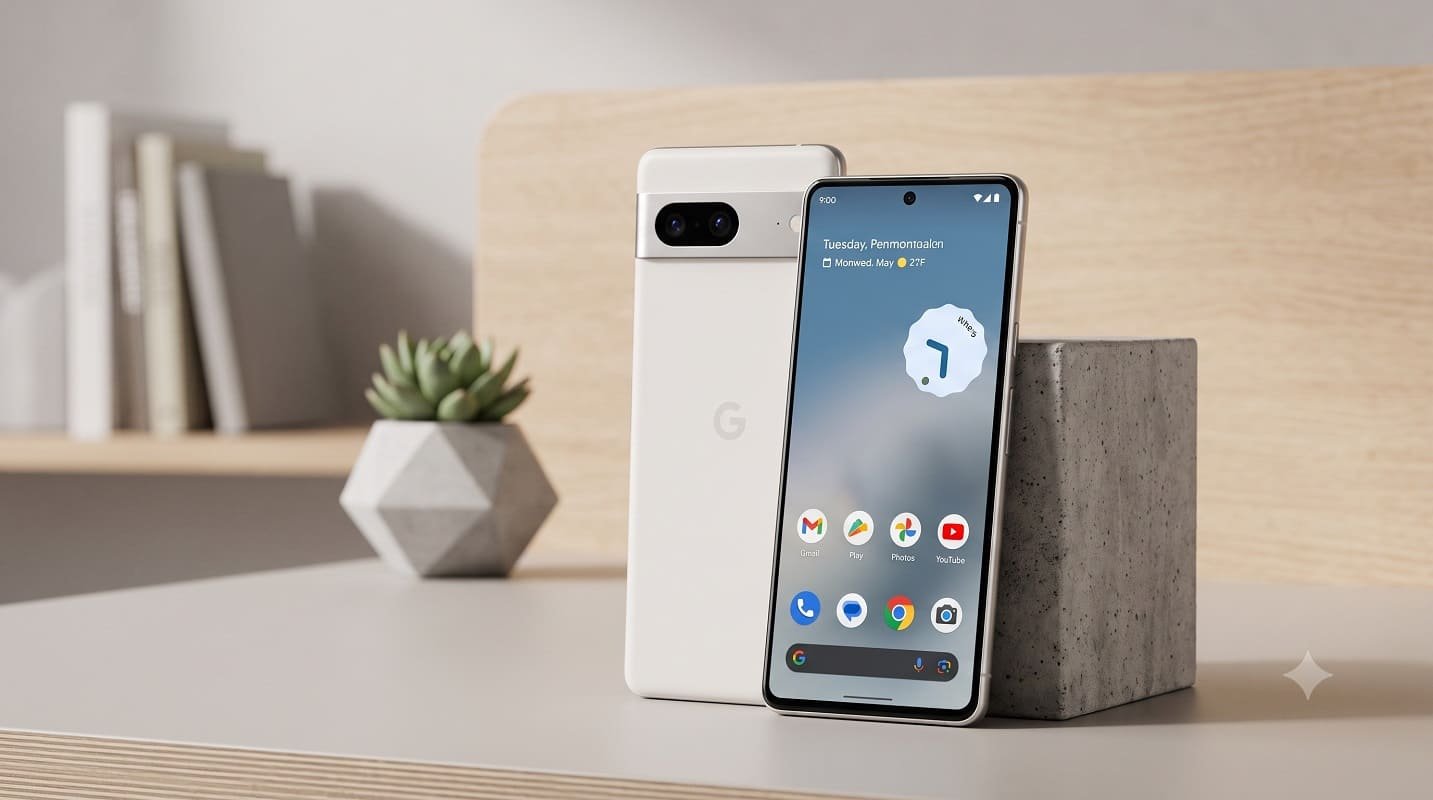
Google has officially confirmed that its upcoming flagship smartphone lineup—the Google Pixel 11 series—will launch at higher prices due to acute, industry-wide memory chip shortages. Speaking to tech publication 9to5Google, Shakil Barkat, Vice President of Devices and Services at Google, acknowledged that severe supply chain inflation has directly impacted the company’s hardware division, forcing dynamic pricing adjustments across its mobile hardware portfolio ahead of its annual Made by Google unveiling.
Memory Component Costs Jump Sixfold in 12 Months
The root cause of the unexpected price hikes stems from escalating component prices in global semiconductor supply chains. Citing market intelligence data from financial firm Morgan Stanley, Barkat highlighted that the baseline cost of 1GB of smartphone RAM skyrocketed from approximately $2.8 (about Rs. 270) in 2025 to $12 (roughly Rs. 1,155) in 2026.
This sixfold increase in memory hardware procurement has created massive margin pressure across consumer technology brands. Because modern AI-centric smartphones require high-density memory pools (typically 12GB to 16GB of LPDDR5X RAM) to run local generative AI models on-device, mobile manufacturers can no longer absorb rising component overhead without adjusting retail prices.
Portfolio-Wide Impact: Pixel 11 Series and Existing Models
Barkat confirmed that Google will implement a dynamic pricing model that adapts to ongoing supply constraints. Crucially, the executive indicated that price corrections will not be isolated to the flagship Google Pixel 11 family alone, suggesting that current-generation hardware like the Google Pixel 10 and remaining Google Pixel 9 Pro XL inventory could see retroactive price updates in retail markets worldwide.
| Pixel 11 Model Variant | Expected EU Pricing | Expected UK Pricing | Estimated India Equivalent |
| Google Pixel 11 (256GB) | EUR 999 | GBP 879 | ~Rs. 1,08,000 |
| Google Pixel 11 Pro (256GB) | EUR 1,199 | GBP 1,049 | ~Rs. 1,30,000 |
| Google Pixel 11 Pro XL (256GB) | EUR 1,399 | GBP 1,199 | ~Rs. 1,52,000 |
| Google Pixel 11 Pro Fold (256GB) | EUR 1,899+ | GBP 1,749+ | ~Rs. 2,05,000+ |
Early retail leak data indicates that the base 256GB tier of the standard Google Pixel 11 will open at EUR 999 in European markets and GBP 879 in the UK. The larger Pro XL and foldable variants will see corresponding upward price shifts to account for increased internal memory configurations.
Industry-Wide Ripple Effects: What Competitors Are Doing
Google is not alone in navigating hardware component inflation. Over recent months, competing smartphone OEMs across China, Europe, and North America have systematically adjusted launch prices or altered baseline storage configurations to shield profit margins.
Industry Context: The rapid expansion of enterprise datacenter AI hardware has diverted semiconductor manufacturing capacity away from mobile-grade DRAM. As memory foundries prioritize high-margin High Bandwidth Memory (HBM) for datacenters, mobile LPDDR supply has contracted sharply, forcing consumer electronics brands to raise retail pricing across mid-range and premium tiers.
With Google officially confirming these supplier realities, industry analysts anticipate that upcoming mobile flagship launches from Samsung, Xiaomi, and Apple will follow similar upward pricing curves over the remainder of the calendar year.
What This Means For Prospective Buyers
For consumers planning to upgrade during the upcoming Made by Google launch window, these supply chain corrections carry immediate practical implications:
- Higher Entry Thresholds: The starting price for baseline 256GB storage options will sit noticeably higher than equivalent launch tiers from previous generation cycles.
- Impact on Pre-Order Offers: Trade-in valuations and introductory bundle discounts may become crucial tools for buyers looking to offset higher retail launch tags.
- Existing Model Price Hikes: Prospective buyers considering older models like the Google Pixel 10 should consider buying existing stock before dynamic price increases take effect at retail stores.
The confirmed price hike for the Google Pixel 11 series highlights the severe impact of global component shortages on consumer technology. As semiconductor costs rise sharply across the supply chain, Google’s dynamic pricing strategy marks a broader industry trend where buyers must navigate higher retail prices for next-generation mobile hardware.
