

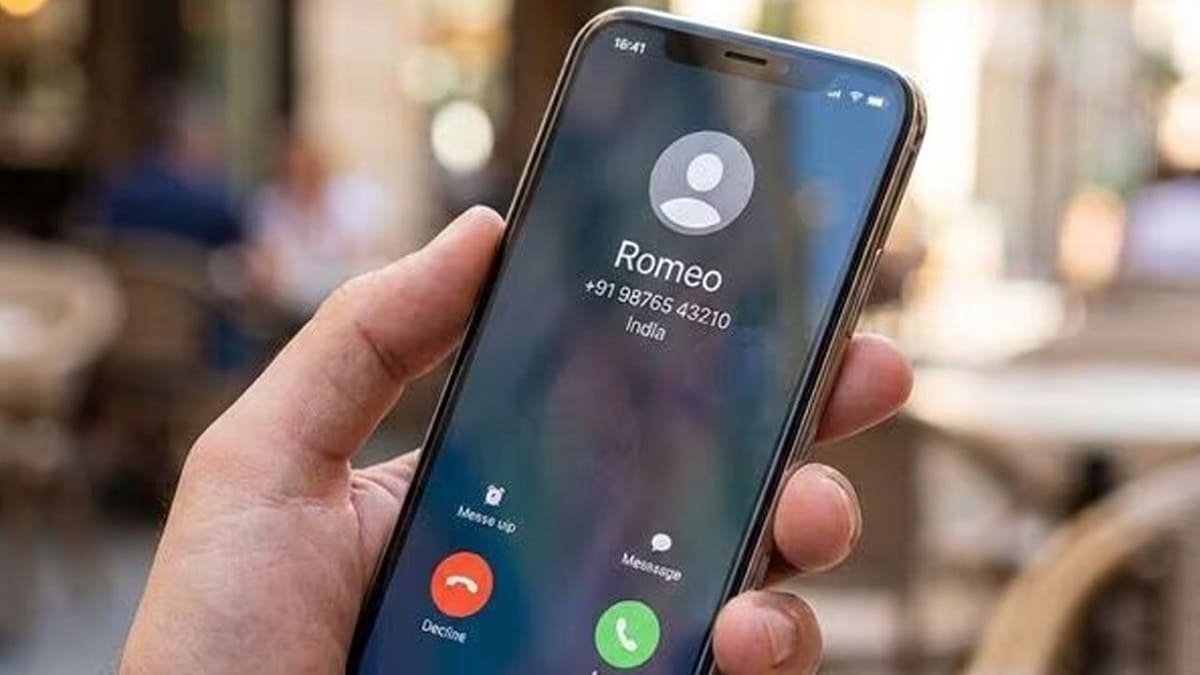
India’s planned Calling Name Presentation (CNAP) rollout is intended to make it easier to identify unfamiliar callers. From November 1, 2026, telecom operators have been directed to introduce the service across 4G and newer-generation networks, displaying the name associated with a caller’s telecom subscriber record alongside the number.
However, identifying a caller’s registered name and identifying a spam or scam call are two different tasks. CNAP can provide useful information about a number, but it is not a complete fraud-detection or call-blocking system.
Understanding the difference will help users avoid treating a familiar name on the screen as proof that a call is safe.
What CNAP Actually Does
CNAP, or Calling Name Presentation, is designed to present the name recorded in the originating telecom operator’s subscriber database.
For an unsaved domestic number, the network is expected to retrieve the associated caller-name information. The service is intended to work through telecom networks, without requiring the user to install a separate caller ID application.
CNAP answers a relatively specific question: What name is associated with this telecom connection in the operator’s records?
It does not independently establish the caller’s purpose, trustworthiness or authority to request information.
How Spam Warnings Work Differently
Spam detection systems use different signals to identify calls that may be unwanted or suspicious. Depending on the service, these can include community reports, calling patterns, number reputation and other detection methods.
Caller identification applications such as Truecaller can provide spam labels and other context. Some smartphone calling apps also offer caller ID and spam protection, while telecom operators may run network-level systems to flag suspected spam calls.
These systems do not necessarily use the same information or produce the same result. A number could display a subscriber name through CNAP while being flagged as suspected spam by another service.
CNAP vs Spam Warnings: Key Differences
| Feature | CNAP | Spam warning system |
|---|---|---|
| Primary purpose | Display a name associated with a telecom subscriber record | Flag calls that may be unwanted or suspicious |
| Main information | Subscriber-name information from telecom records | Reputation data, reports, calling patterns or other signals |
| Does it identify the caller’s purpose? | No | Not necessarily |
| Can it block a call? | Name presentation itself is not call blocking | Some services offer blocking options |
| Can it make mistakes? | The registered name may not identify the person speaking | False positives and missed spam calls are possible |
| Does it guarantee safety? | No | No |
The two approaches can work alongside each other. One provides subscriber-name information; the other attempts to assess whether a call may be unwanted or risky.
Why a Scam Call May Still Display a Name
A scammer may use a genuine connection registered under a real person’s name. The name shown by CNAP could therefore be accurate according to the operator’s records without identifying the individual actually speaking.
There is also a difference between the subscriber and the user. A family member may use a SIM registered in someone else’s name, while an employee or delivery agent may make calls from a personal number.
Caller ID spoofing creates another risk. In spoofing, the caller manipulates the number presented to the recipient. CNAP should not be treated as a guarantee that the person speaking is the registered subscriber or an authorised representative of the displayed name.
For this reason, a caller claiming to represent a bank, telecom operator or government agency should not be trusted solely because the screen displays a familiar name.
Can CNAP Replace Truecaller and Other Caller ID Apps?
Not completely for every user.
People who use caller ID apps mainly to identify an unfamiliar number may find CNAP useful for basic name presentation. However, users who rely on spam reports, call blocking, business labels or additional caller insights may still find separate tools useful.
The two services are not identical, and neither should be considered infallible. CNAP does not provide a universal verdict on whether a call is spam, while an app’s spam label does not necessarily establish the subscriber’s registered name.
How to Stay Safe Even After CNAP Arrives
Treat caller-name information as one piece of evidence, not a security guarantee.
- Never share an OTP, UPI PIN, banking password or other authentication details with an unknown caller.
- Do not transfer money because someone claims an urgent problem with your bank account, SIM or government benefits.
- End suspicious calls and contact the organisation through its official app, website or verified customer-care number.
- Use available spam-warning and call-blocking features if they suit your needs.
- Report suspected fraud through the appropriate official channels.
CNAP could make basic caller identification more accessible, but it cannot eliminate the need for caution. Knowing the name associated with a phone number is not the same as knowing whether the call is genuine.
