

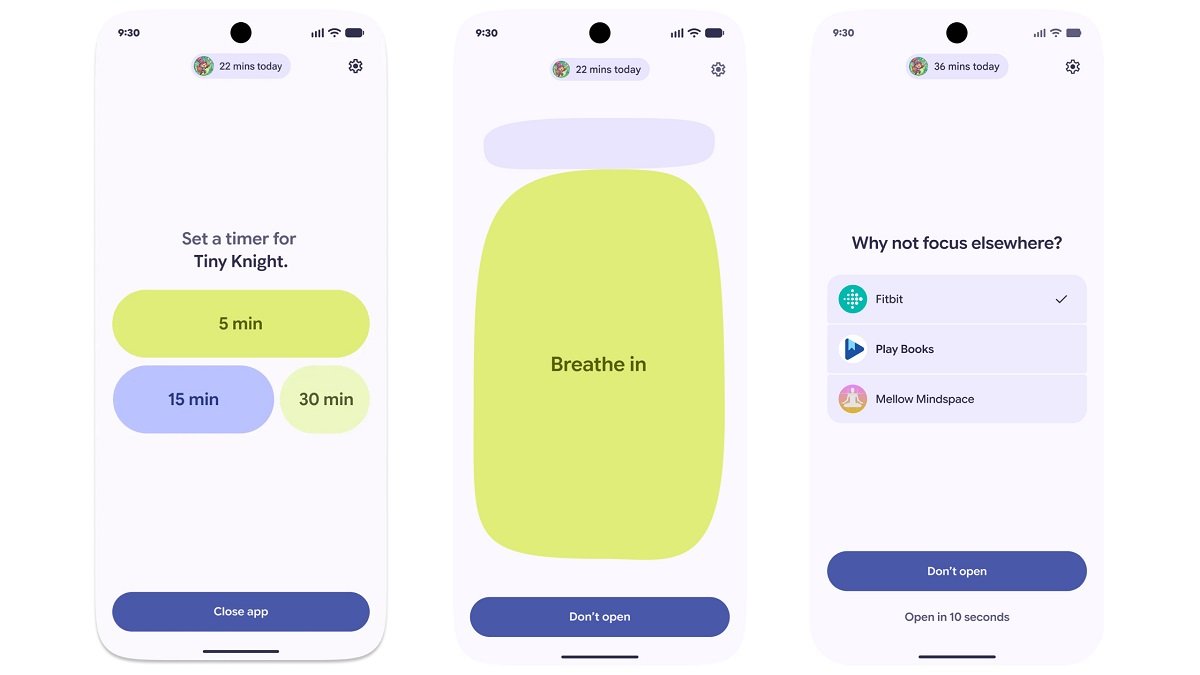
Android 17 Pause Point is currently limited to Pixel 11 series phones, leaving older Pixel devices without Google’s new Digital Wellbeing tool.
Android 17 Pause Point is currently turning out to be a more exclusive Digital Wellbeing feature than many Pixel users may have expected. Google’s official Pixel support documentation now states that Pause Point is available on the Pixel 11 series running Android 17 and later, while the feature has not appeared on older Pixel phones that have also received Android 17.
The limitation is notable because Android 17 itself is available across a much wider range of supported Pixel devices. Google’s software update policy confirms that Pixel 8 and newer phones are eligible for seven years of operating system and security updates, although Google also notes that feature availability can vary by device.
For owners of older Pixel models, this means receiving Android 17 does not necessarily guarantee access to every new feature introduced alongside the operating system.
Android 17 Pause Point Is Currently Listed for Pixel 11
Google’s current support documentation provides the clearest indication of the feature’s availability.
Under Digital Wellbeing, Google describes Pause Point as a tool that allows users to add mindfulness prompts to selected apps to help reduce usage. The company specifically identifies the Pixel 11 series running Android 17 and later as the supported hardware.
The feature can be accessed through the Digital Wellbeing section of the Settings app, under the options for disconnecting from the device. Users can enable or disable Pause Point and select the apps and prompt types they want to use.
Google’s documentation does not currently describe Pause Point as a feature available to every Android 17 phone. It also does not confirm that older Pixel devices will receive the functionality through a future Pixel Drop or Android update.
That distinction is important because Google’s Pixel software strategy increasingly separates the operating system itself from device-specific features.
Why Older Pixel Phones Can Miss Android 17 Features
Android updates have traditionally been viewed as major software packages that bring a relatively consistent set of capabilities to supported devices. However, modern Pixel updates increasingly include features that depend on particular hardware, software components or Google’s device-specific feature strategy.
Google itself warns that some Pixel instructions and features can vary depending on the device. Its update documentation also states that Pixel Drops can introduce new and upgraded features in addition to operating system updates.
This makes the current Android 17 Pause Point situation less surprising from a broader Pixel software perspective.
A Pixel 10 Pro, for example, can run Android 17 but does not currently have Pause Point listed as an available feature. Reports from Google’s Pixel Community also show Pixel 10 Pro users asking why Pause Point was unavailable after upgrading to Android 17.
That does not necessarily mean Google will permanently keep the feature away from older models. It simply means there is currently no official confirmation that those devices will receive it.
What Does Pause Point Actually Do?
Pause Point is part of Google’s Digital Wellbeing approach, which is designed to help users understand and manage their smartphone habits.
Instead of simply displaying statistics about screen time, the feature is intended to introduce an intentional pause before users continue using selected apps.
Users can nominate apps they consider distracting and configure Pause Point for them. When activated, the feature is designed to provide a mindfulness intervention that encourages users to reconsider whether they want to continue using the application.
Google’s current support page describes Pause Point specifically as a way to add mindfulness prompts to apps and limit how much they are used.
The approach is different from conventional app timers.
An app timer generally allows a user to specify how long an application can be used during a day. Once the allocated time is exhausted, Android restricts further usage.
Pause Point instead attempts to influence the decision at the moment a user opens a distracting application. That makes it more of a behavioural intervention than a conventional usage quota.
The feature could therefore be useful for social media, short-video, gaming or other applications that users frequently open out of habit.
Android 17 Does Not Mean Every Feature Comes to Every Pixel
The situation highlights an important distinction for Pixel buyers: Android version eligibility and feature eligibility are not always the same thing.
Google’s official update policy currently lists the Pixel 8 series and newer devices as receiving seven years of OS and security updates. That includes the Pixel 11 family, Pixel 10 series and Pixel 9 series, among others.
However, Google also uses Pixel Drops and device-specific software features to differentiate its hardware.
This means an older Pixel can receive the latest Android version while missing certain capabilities introduced on a newer generation.
For consumers, this is particularly relevant when comparing a new Pixel with an older device that remains within Google’s long software-support window. Seven years of updates does not necessarily mean seven years of access to every feature introduced during that period.
Google Has Not Confirmed a Wider Pause Point Rollout
At present, Google has not announced that Pause Point will become available on older Pixel phones.
The company’s current support documentation is therefore the strongest available indication of supported hardware, and it specifically names the Pixel 11 series.
There is still room for the situation to change.
Google could expand Pause Point through a future Pixel Drop, a Digital Wellbeing app update or another Android release. Google’s Pixel update documentation confirms that new and upgraded features can arrive separately from major Android releases.
Until such an announcement is made, however, Pixel users should not assume that installing Android 17 will automatically bring Pause Point to their devices.
What This Means for Pixel 10 and Older Users
For owners of Pixel 10, Pixel 9, Pixel 8 and other supported models, the immediate takeaway is straightforward: updating to Android 17 does not currently provide access to Pause Point.
This is not the same as saying those devices are excluded from Android 17. Google’s update policy continues to support a broad range of Pixel hardware, with Pixel 8 and newer devices receiving seven years of OS and security updates.
Instead, Pause Point appears to be one of the features Google is currently reserving for its latest Pixel generation.
That could make the feature more significant from a product-differentiation perspective. Digital Wellbeing is not a performance-intensive feature in the traditional sense, so users may naturally question why a newer Pixel is required.
Google has not publicly provided a detailed explanation for the hardware or software requirements behind the current restriction.
Pixel 11 Users Get Another Android 17 Exclusive
For Pixel 11 owners, Pause Point adds another software feature to the latest generation’s proposition.
Google’s broader Pixel strategy increasingly relies on software capabilities alongside hardware upgrades. Features tied to AI, photography, security and personalisation have become important parts of the Pixel experience, and Digital Wellbeing is another area where Google can introduce device-specific functionality.
The current Android 17 Pause Point restriction therefore illustrates how Google’s latest Pixel generation can receive capabilities that are not immediately available on older models, even when those older devices run the same Android version.
For Indian Pixel users, the distinction is equally relevant. A customer considering whether to retain an older Pixel or move to the latest generation may need to look beyond the Android version number and examine which features are actually supported on each model.
For now, Google has confirmed only that Pause Point is available on the Pixel 11 series running Android 17 and later. There is no confirmed timeline for bringing the feature to older Pixel phones or expanding it to other Android 17 devices.
If Google expands the feature through a future update, that could change the current device limitation. Until then, Pause Point remains one of the Android 17 features that gives Pixel 11 owners an experience that older Pixel hardware does not currently offer.
