

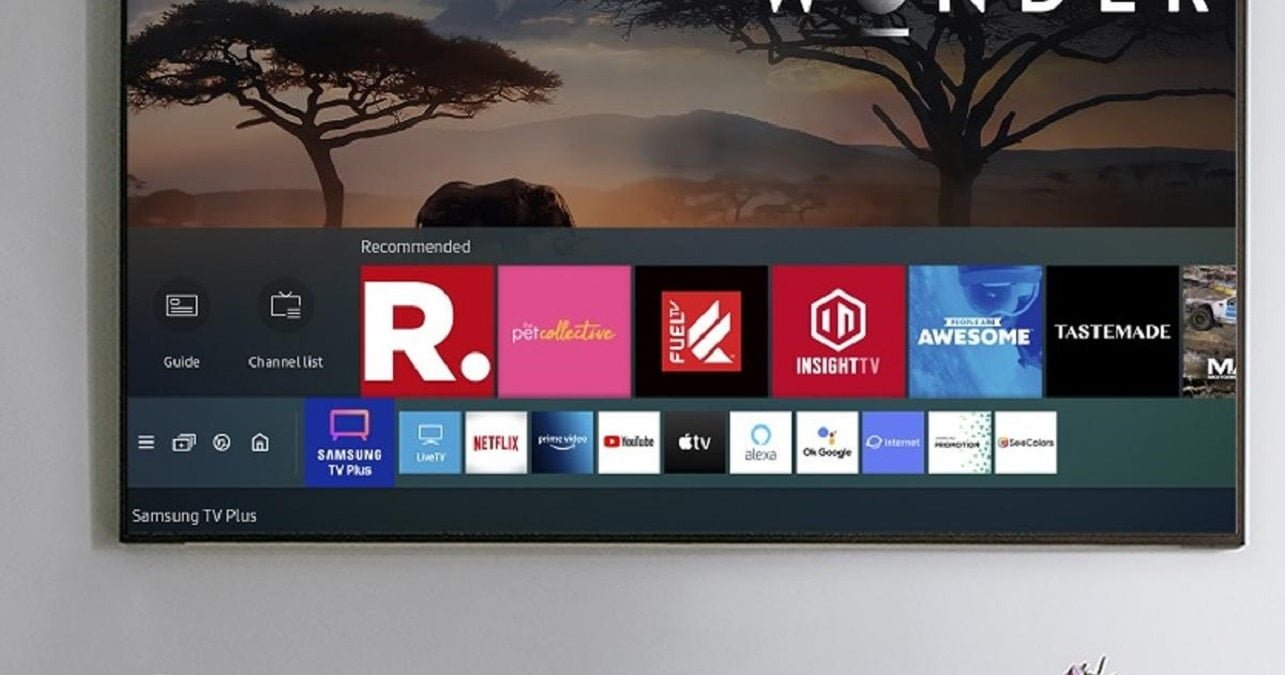
TRAI has recommended a new authorisation framework for internet-based live-TV streaming apps, including free ad-supported streaming television (FAST) services. If the government accepts the proposal, app providers, smart-TV manufacturers and operating system providers could face new compliance requirements, while viewers may see changes in how certain live-TV apps are approved and distributed.
The recommendations, released on 26 October 2026, aim to bring app-based television distribution under a dedicated framework. However, they are not final rules, and smart-TV users do not need to make any immediate changes.
What is TRAI proposing?
The Telecom Regulatory Authority of India (TRAI) wants to introduce a separate category called Application-based Linear Television Distribution (ALTD) Services under the broadcasting authorisation framework.
These services distribute scheduled television channels over the public internet or other IP-based networks. Unlike conventional video-on-demand platforms, where viewers select individual programmes or films, linear TV services offer channels with scheduled programming.
The proposal covers applications available on smart TVs, mobile devices and web browsers. It also includes FAST services, which offer television channels supported by advertising rather than requiring viewers to pay a conventional subscription fee.
The framework is intended to establish clearer rules for services that distribute television channels online, including those that come pre-installed on connected TVs.
How could the proposed rules affect smart-TV users?
One of the most significant recommendations concerns which live-TV applications can be made available through smart TVs, operating systems and application stores.
TRAI has proposed that the Ministry of Information and Broadcasting (MIB) maintain a central repository of authorised ALTD applications. Television manufacturers and operating system providers would be required to ensure that only authorised applications are made available through their devices and app stores.
If implemented, this could affect how manufacturers select, pre-install and distribute live-TV streaming applications in India.
For consumers, the practical implications could include:
- Changes to app availability: Certain live-TV applications may need government authorisation to be distributed through covered devices and app stores.
- More formal accountability: Users would have a designated application provider to approach for complaints relating to an ALTD service.
- Potential changes to pre-installed services: TV manufacturers and operating system providers would need to comply with the proposed authorisation-verification requirements.
These are possible outcomes under the proposed framework, not confirmed changes to existing smart TVs. TRAI has not announced that currently installed apps will stop working on a particular date.
Which apps and services could be covered?
The proposal focuses on platforms that aggregate and distribute scheduled television channels over the internet. This includes FAST services and other applications that provide a linear TV viewing experience.
For example, a connected-TV platform that brings together multiple scheduled channels could fall within the framework, depending on its service model and the final rules.
The distinction between linear television and on-demand streaming is important. A service offering films and series for viewers to watch whenever they choose is not automatically covered simply because it is a streaming app.
TRAI’s recommendations specifically exclude platforms owned by broadcasters that distribute only their own channels or those of their holding or subsidiary companies. Live streams on social media platforms are also excluded.
The final scope will depend on the framework adopted by the government and how individual services fit its definitions.
Proposed authorisation fees and validity
TRAI has recommended a relatively light-touch authorisation structure for ALTD service providers.
| Proposal | Recommended provision |
|---|---|
| Application processing fee | Rs 10,000 |
| One-time entry fee | Rs 1 lakh |
| Initial authorisation validity | 20 years |
| Renewal period | Successive 10-year periods |
| Authorisation fee | No separate fee recommended |
| Bank guarantee or security deposit | Not recommended |
The proposed authorisation would cover a national service area. The application provider, rather than the device manufacturer alone, would be responsible for obtaining authorisation to provide the covered service.
These fees are proposed terms, not charges that providers must pay under an already implemented framework. The government must first consider the recommendations and establish the applicable rules.
What responsibilities would smart-TV brands and app stores have?
The proposal extends beyond the companies operating live-TV applications.
Under TRAI’s recommendations, the MIB would maintain the central repository of authorised ALTD apps. Original equipment manufacturers, including television manufacturers, and operating system providers would need to ensure that only authorised applications are made available through their devices and application stores.
They would also have to submit annual compliance reports to the ministry in the prescribed format.
This could make authorisation checks part of the process for distributing covered apps through smart-TV platforms. It may also affect how app providers and manufacturers coordinate when launching or updating services.
TRAI has additionally recommended a simplified registration framework for internet-native linear television channels. ALTD providers would be allowed to distribute only channels holding valid government permission, authorisation or registration, as applicable.
Could the proposal improve consumer protection?
TRAI has recommended that the ALTD application provider act as the primary point of contact for consumer complaints and grievance redressal relating to the service.
This could make responsibility clearer when viewers encounter problems with a covered platform, although the effectiveness of the arrangement will depend on the final complaint-handling requirements and their implementation.
The regulator has also proposed integrating viewership of channels distributed through ALTD applications into the television audience measurement framework. Authorised providers could publish anonymised periodic viewership data in accordance with the TV Ratings Policy, 2026.
That could help the industry better understand audiences watching television through internet-based platforms. It would not, by itself, guarantee that every service’s audience figures become directly comparable.
Will Netflix and other OTT subscriptions become more expensive?
TRAI’s recommendations do not announce any new consumer subscription charge or an increase in OTT prices.
The framework is directed at application-based distribution of linear television channels, including FAST services. It should not be interpreted as a blanket authorisation requirement for every streaming service or every on-demand video app.
Providers may need to account for compliance costs if the proposal is implemented, but it is too early to conclude whether those costs would affect subscription prices, advertising or the range of apps offered to consumers.
The proposal also does not mean that viewers will have to pay to access all free, ad-supported television services. Its stated purpose is to establish an authorisation framework for covered service providers.
What happens next?
TRAI has submitted its recommendations to the government after a consultation process that included 207 stakeholder comments, 11 counter-comments and an open-house discussion held on 10 June 2026.
The Ministry of Information and Broadcasting will need to consider the recommendations before the proposed framework can be implemented. TRAI has recommended that the relevant terms and conditions be notified as rules under the Telecommunications Act, 2023, with authorisation, registration and reporting processes supported through an online portal.
Until the government finalises and implements the framework, the proposed fees, app-approval requirements and compliance obligations should not be treated as operative rules.
For smart-TV users, the immediate takeaway is straightforward: the proposal could change how internet-based live-TV apps are authorised and distributed, but it does not currently establish a new deadline for consumers to remove apps or change their subscriptions.
