

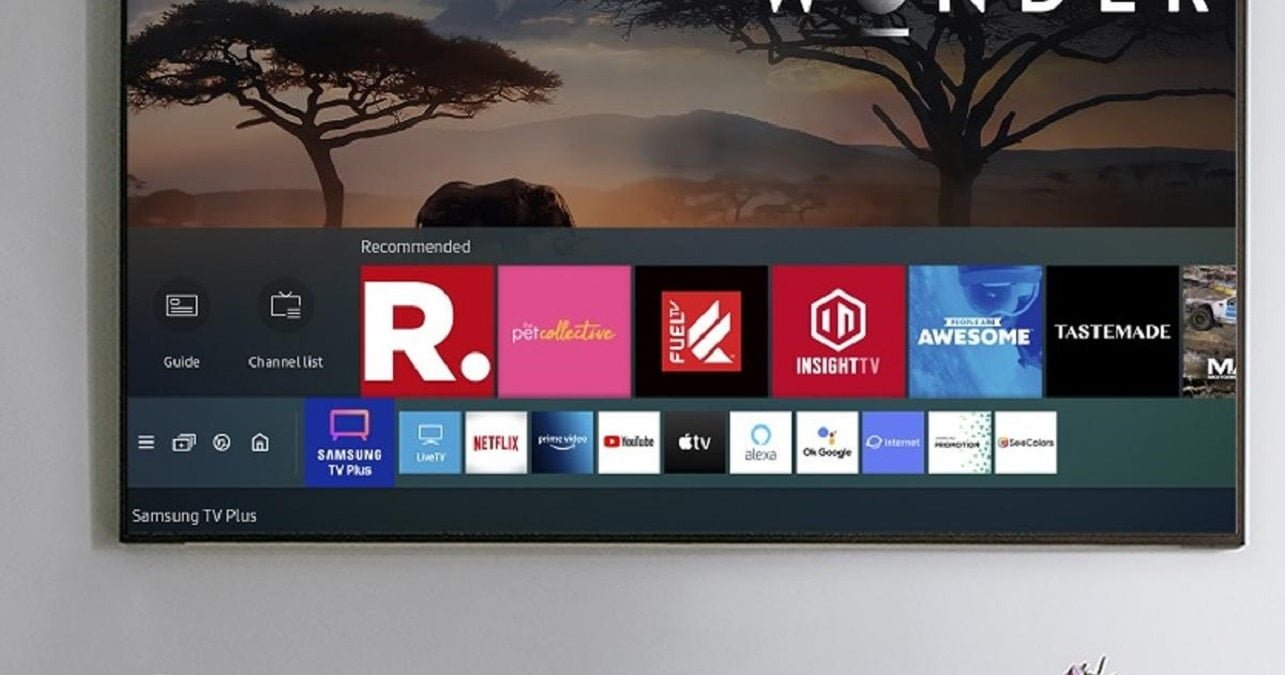
The Telecom Regulatory Authority of India (TRAI) has proposed a new authorisation framework for internet-based live-TV streaming applications, including free ad-supported streaming television (FAST) services. The recommendations, released on October 26, 2026, could change how these apps are approved and distributed through smart TVs, app stores, smartphones and other connected devices.
Under the proposed framework, the Ministry of Information and Broadcasting (MIB) would maintain a master repository of authorised applications. Smart-TV manufacturers and operating-system providers would be expected to make only authorised live-TV distribution apps available through their devices and app stores.
However, the recommendations are not final rules in force. The government would need to take further steps to implement the proposed framework. For viewers, the immediate development is a potential change to how internet-based television services are regulated, rather than an announced change to existing subscriptions or access.
What Is TRAI Proposing for Live-TV Streaming Apps?
TRAI has recommended introducing Application-based Linear Television Distribution (ALTD) services as a separate category under television channel distribution services within the broadcasting authorisation framework of the Telecommunications Act, 2023.
These services aggregate scheduled television channels and distribute them over the public internet or other IP-based networks. They can be accessed through applications, websites and other interfaces on internet-enabled devices.
The proposed category includes FAST services, which typically offer scheduled television channels supported by advertising. Such services can provide a television-like experience without requiring viewers to subscribe to a conventional cable or direct-to-home (DTH) connection.
The proposed framework is intended to establish clearer authorisation requirements, improve consumer protection and bring greater regulatory certainty to internet-based linear television distribution.
Master Repository of Authorised Apps: What Will Change?
One of the key recommendations is the creation of a Master ALTD App Repository, which would be maintained by the Ministry of Information and Broadcasting.
Under the proposal, original equipment manufacturers (OEMs), including television manufacturers, and operating-system providers would need to ensure that only authorised ALTD applications are made available through their devices and app stores. They would also be required to submit annual compliance reports to the ministry.
This could affect how live-TV apps are listed, pre-installed or made available for download on connected devices.
For example, if a service distributes scheduled television channels through a smart-TV app, its eligibility to remain available on the device could depend on whether it falls within the proposed ALTD category and meets the applicable authorisation requirements.
The proposal does not mean that every video-streaming application would automatically require the same authorisation. The framework specifically targets application-based linear television distribution, and certain services are excluded.
Which Streaming Apps Could Be Covered?
The proposed framework is aimed at applications that aggregate and distribute scheduled television channels over the internet. FAST services are a central part of this category.
Depending on their business model and the content they distribute, some smart-TV live-channel services and other internet-based television aggregators could fall within the proposed framework.
The recommendations also cover the distribution of approved television channels alongside eligible internet-native linear television channels and platform service channels.
However, TRAI has proposed exclusions for broadcaster-owned platforms that distribute only their own channels or channels belonging to their subsidiary or holding company. Live streams on social media intermediaries are also excluded.
This distinction matters because an app that primarily distributes scheduled TV channels is not necessarily treated in the same way as a service focused on on-demand films and series.
Viewers should therefore not assume that every OTT platform, video app or social-media livestream will be affected in the same way. The final scope will depend on the framework adopted by the government.
TRAI Proposes Rs 1 Lakh Entry Fee for Live-TV App Providers
TRAI has recommended a relatively light-touch authorisation structure for ALTD service providers.
The main proposed terms include:
| Proposed requirement | Details |
|---|---|
| Application processing fee | Rs 10,000 |
| One-time entry fee | Rs 1 lakh |
| Initial authorisation validity | 20 years |
| Renewal period | Successive periods of 10 years |
| Authorisation fee | No recurring authorisation fee proposed |
| Bank guarantee or security deposit | None proposed |
| Service area | Nationwide |
These are proposed terms, not fees that providers must begin paying immediately.
The framework would also provide for an online portal to manage authorisation applications, channel registrations and reporting processes.
For providers, the proposed entry and processing fees would be part of the cost of entering the regulated category. The long initial validity and absence of a recurring authorisation fee could provide greater clarity about the regulatory requirements, subject to the final rules.
How Will the Proposals Affect Smart TV Users?
For consumers, the most direct potential impact is on the availability of live-TV streaming apps across smart TVs and other connected devices.
If the recommendations are implemented, television manufacturers and operating-system providers would need to follow the authorisation requirements when making covered applications available. This could change the process through which certain apps are listed, pre-installed or distributed.
However, TRAI has not announced that existing live-TV apps will immediately stop working. Nor do the recommendations establish that users must pay for services that are currently free.
Any future impact on an individual app would depend on whether the service falls within the framework, obtains the required authorisation and meets the final conditions.
Consumers should also distinguish between access to an application and access to individual channels. The proposed framework would require authorised ALTD providers to distribute only television channels with valid government permission, authorisation or registration.
Consumer Complaints: Who Will Be Responsible?
TRAI has recommended that the application provider act as the primary point of contact for consumer complaints and grievance redressal relating to an ALTD service.
This could make it clearer where users should raise issues involving the covered service, such as problems with access to channels or the delivery of the application.
The proposal establishes the application provider as the primary contact, although the detailed complaint-handling procedures will depend on the applicable framework and rules.
For viewers, the practical significance is accountability: the service distributing the channels would have a defined responsibility for handling complaints under the proposed authorisation system.
Internet-Native TV Channels Could Get a Registration Framework
The recommendations also propose a simplified registration framework for internet-native linear television channels.
These are channels designed for internet-based distribution rather than necessarily being part of the traditional television distribution ecosystem. Under the proposed approach, they would need to meet the relevant registration requirements before being distributed through authorised ALTD services.
The broader aim is to provide a clearer route for such channels while requiring authorised platforms to distribute only channels that have the necessary government permission, authorisation or registration.
The final registration process and operating conditions will depend on the rules adopted by the government.
TRAI Wants Live-TV App Viewership Included in TV Ratings
Another part of the recommendations concerns television audience measurement.
TRAI has proposed integrating viewership of television channels distributed through ALTD applications into the television audience measurement framework. Authorised application providers would also be permitted to publish anonymised periodic viewership data in accordance with the TV Ratings Policy, 2026.
If implemented, this could help account for audiences watching scheduled television channels through internet-based apps, rather than only through traditional distribution methods.
It could also provide additional insight into how audiences consume linear television across connected devices. The actual impact will depend on the measurement framework and how the data is collected and reported.
When Will the New Live-TV App Rules Come Into Effect?
TRAI released its recommendations on October 26, 2026, following a consultation process that included a consultation paper issued on April 6 and an open house discussion held on June 10, 2026.
The recommendations propose that the terms and conditions governing ALTD authorisation be notified as rules under Section 56 of the Telecommunications Act, 2023.
The next step is for the government to consider the recommendations and take the required action. Until the framework is formally implemented, the proposed authorisation requirements should not be treated as rules already in force.
What Smart TV Owners Should Know
TRAI’s recommendations could bring greater regulatory oversight to apps that distribute scheduled television channels over the internet. The proposed master repository, authorisation requirements and consumer grievance responsibilities are intended to create a clearer framework for these services.
For smart-TV users, there is no basis to assume from the recommendations alone that existing apps will immediately disappear, that free channels will become paid or that all OTT platforms will face the same requirements.
The actual impact will depend on the final rules, the scope of the authorisation category and how individual service providers comply. Until then, the proposal represents a potential change to India’s internet-based television distribution landscape, not an immediate change to the way every viewer watches streaming content.
