

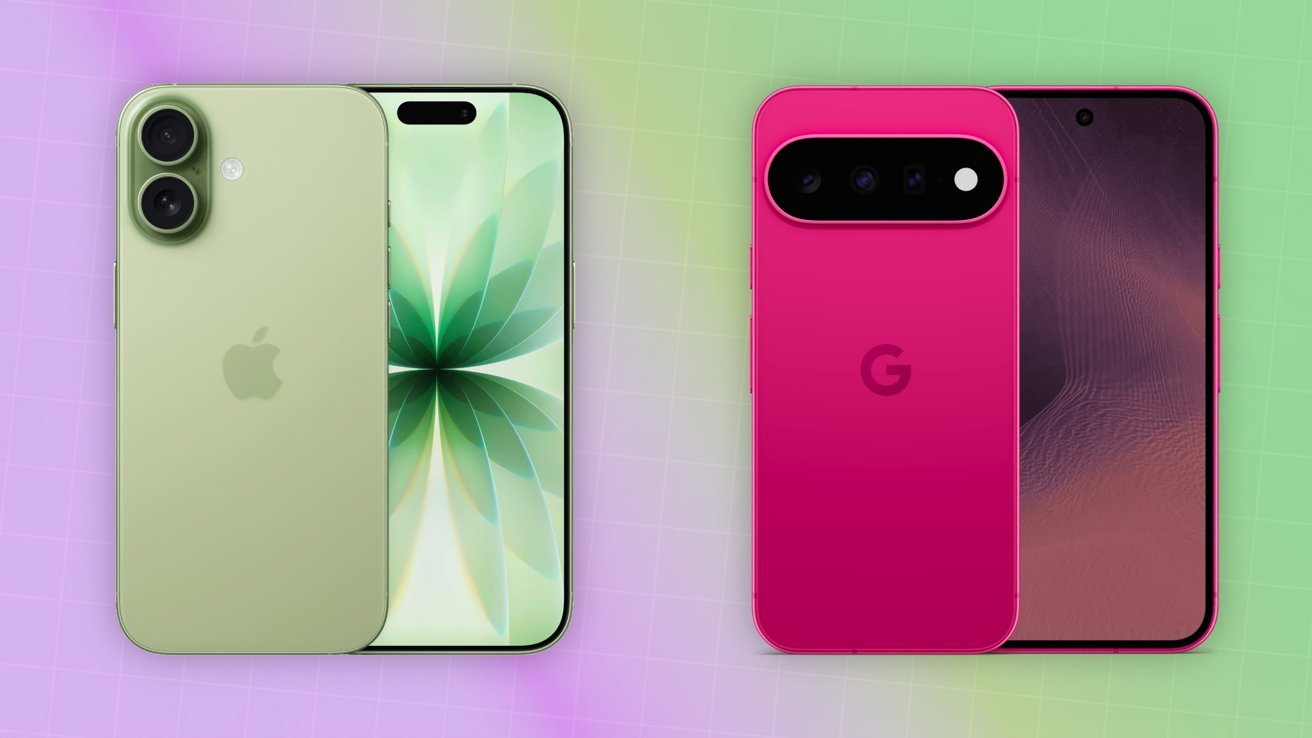
The iPhone 17 now costs Rs 99,900 in India, while Pixel 11 starts at Rs 89,999. Here is which flagship offers better value.
The iPhone 17 and Google Pixel 11 are two compact flagship smartphones aimed at buyers who want premium hardware without moving to the larger Pro or XL models. However, the pricing equation in India has changed significantly after Apple increased the price of the iPhone 17 following the launch of its newer iPhone models.
The iPhone 17 now starts at Rs 99,900 for the 256GB model in India, while the Google Pixel 11 starts at Rs 89,999 for 12GB RAM and 256GB storage. That puts the Pixel 11 Rs 9,901 below the iPhone 17 at their official starting prices.
Both phones have 6.3-inch OLED displays with 120Hz-class refresh rates, flagship processors, premium designs, advanced cameras and long-term software support. But they take very different approaches to performance, photography, AI and the overall user experience.
So, which phone should you buy after the iPhone 17 price hike? Here is an objective comparison.
iPhone 17 vs Google Pixel 11: Price in India
The iPhone 17 launched in India with a starting price of Rs 82,900 for the 256GB model. Following Apple’s latest pricing revision, the same 256GB configuration now costs Rs 99,900, representing a Rs 17,000 increase.
The 512GB iPhone 17 has also become more expensive and is now priced at Rs 1,24,900. Apple has retained the same hardware specifications despite the price increase.
The Google Pixel 11, meanwhile, starts at Rs 89,999 for 12GB RAM and 256GB storage. The 512GB model costs Rs 1,04,999.
This immediately gives Google an advantage on the entry price.
| Specification | iPhone 17 | Google Pixel 11 |
|---|---|---|
| Starting price | Rs 99,900 | Rs 89,999 |
| Base storage | 256GB | 256GB |
| RAM | Not officially specified by Apple | 12GB |
| Display | 6.3-inch OLED | 6.3-inch OLED |
| Refresh rate | Up to 120Hz | Up to 120Hz |
| Processor | Apple A19 | Google Tensor G6 |
| Rear cameras | 48MP + 48MP | 48MP + 13MP + 10.8MP |
| Telephoto | 2x optical-quality | 5x optical |
| Front camera | 18MP | 10.5MP |
| Battery | Up to 30 hours video playback | 4,985mAh |
| Software | iOS | Android 17 |
| Software support | Long-term Apple support | 7 years |
| Water resistance | IP68 | IP68 |
Display: iPhone 17 and Pixel 11 Are Closely Matched
Both smartphones use 6.3-inch OLED displays and support refresh rates up to 120Hz, making them considerably smoother than traditional 60Hz flagship displays.
The iPhone 17 features Apple’s Super Retina XDR display with ProMotion adaptive refresh rates up to 120Hz. It has a 2622 x 1206 resolution, Always-On display, Dynamic Island and up to 3,000 nits peak outdoor brightness.
The Pixel 11 uses a 6.3-inch Actua OLED panel with 1080 x 2424 resolution and a 60-120Hz adaptive refresh rate. Google rates it at up to 2,000 nits HDR brightness and up to 3,000 nits peak brightness.
The two are therefore quite close for everyday use.
The iPhone 17 gets the edge for display resolution and Apple’s mature colour and HDR tuning, while the Pixel 11 remains highly competitive with its 120Hz adaptive refresh rate and high outdoor brightness.
Winner: iPhone 17, narrowly.
Performance: iPhone 17 Has the Advantage
The iPhone 17 is powered by Apple’s A19 chip, while the Pixel 11 uses Google’s new Tensor G6 processor manufactured on a 2nm process.
These chips are designed with different priorities.
Apple’s A19 places considerable emphasis on raw CPU and GPU performance, gaming and sustained performance within the iOS ecosystem. The Tensor G6 is more focused on Google’s AI workloads, image processing and machine-learning features.
Independent benchmark testing currently gives the iPhone 17 a significant performance advantage. 91mobiles’ testing lists an AnTuTu score of about 2.25 million for the iPhone 17 compared with around 1.69 million for the Pixel 11.
For demanding gaming, video editing and users who want maximum raw performance, the iPhone 17 is the safer choice.
The Pixel 11 is not slow. Its strength is that Google integrates the Tensor platform deeply with Android and Gemini-powered features.
Winner: iPhone 17.
Cameras: Pixel 11 Offers More Hardware, iPhone 17 Stronger Video
The camera comparison is more complicated.
The iPhone 17 has a dual rear-camera system consisting of a 48MP Fusion Main camera and a 48MP Fusion Ultra Wide camera. It also provides a 2x optical-quality telephoto option using the main camera. Apple has upgraded the ultra-wide camera considerably compared with earlier models.
The Pixel 11 takes a different approach with three rear cameras: a 48MP primary camera, 13MP ultra-wide camera and 10.8MP telephoto camera with 5x optical zoom. It supports up to 30x Super Zoom.
On paper, the Pixel 11 has the more versatile camera hardware because it has a dedicated telephoto camera.
Google also continues to make computational photography and AI image processing a major part of the Pixel experience. The Pixel 11 adds new AI-driven photography and Gemini-related features to the Pixel camera experience.
The iPhone 17, however, remains particularly strong for video. Apple supports advanced video recording, stabilisation and features such as Center Stage on the 18MP front camera.
For still photography and zoom flexibility, the Pixel 11 is the more interesting option. For video and consistency across social-media apps, the iPhone 17 remains the stronger choice.
Winner: Pixel 11 for photography; iPhone 17 for video.
Battery: Pixel 11 Has the Bigger Battery
Google equips the Pixel 11 with a 4,985mAh battery. The phone is designed to provide more than a full day of usage, with the Tensor G6 also focusing on power efficiency.
Apple does not disclose the iPhone 17’s battery capacity in the same way Android manufacturers do. Instead, Apple rates the phone for up to 30 hours of video playback.
A direct comparison based only on battery capacity would therefore be misleading because iOS and Android have different hardware and software power-management systems.
The Pixel 11 nevertheless has the more straightforward advantage on battery capacity, while Apple’s efficiency and tight hardware-software integration help the iPhone deliver strong endurance despite its smaller physical battery.
Winner: Pixel 11 on capacity; close overall.
Software and AI: Pixel 11 Is More AI-Focused
The biggest difference between these phones is arguably their software philosophy.
The iPhone 17 runs Apple’s iOS and integrates Apple Intelligence and Siri AI features into the operating system. Apple’s ecosystem also makes the iPhone particularly attractive to users who already own a Mac, Apple Watch, iPad or AirPods.
The Pixel 11 runs Android 17 and puts Google’s Gemini ecosystem much closer to the centre of the user experience. Google also promises seven years of OS and security updates for the Pixel 11.
Google’s advantage is the depth of AI integration across Android, Google Photos, the camera and Gemini.
Apple’s advantage is ecosystem integration, app optimisation and the consistency of iOS across supported devices.
Winner: Pixel 11 for AI and Android flexibility; iPhone 17 for ecosystem integration.
Design and Durability
Both smartphones use compact flagship designs and offer IP68 water and dust resistance.
The iPhone 17 weighs 177 grams and measures 7.95mm thick. Apple uses an aluminium design with Ceramic Shield 2 protection on the front.
The Pixel 11 is also designed as a compact flagship rather than a large Pro model. It uses Gorilla Glass Victus 2 protection and carries an IP68 rating.
The choice here largely comes down to personal preference.
The iPhone has the advantage if you prefer Apple’s flat, familiar design and accessories ecosystem, while the Pixel offers Google’s distinctive camera-bar design and Android styling.
Winner: Tie.
Storage: Both Start at 256GB
Apple has doubled the base storage of the iPhone 17 compared with its predecessor, with the standard model now starting at 256GB and also available with 512GB.
The Pixel 11 also starts at 256GB and offers a 512GB option.
This is important because neither phone forces a flagship buyer to start with a relatively small 128GB configuration.
At the entry level, both therefore offer enough storage for most users, although buyers who shoot large amounts of 4K video may still prefer the 512GB models.
Winner: Tie.
iPhone 17 vs Pixel 11: Which One Is Better After the Price Hike?
The iPhone 17’s new Rs 99,900 starting price changes the value equation considerably.
At its original Rs 82,900 price, the iPhone 17 was easier to recommend against Android flagships. At Rs 99,900, the Pixel 11’s Rs 89,999 starting price makes Google’s phone considerably more attractive for buyers who want maximum features for their money.
The Pixel 11 gives buyers 12GB RAM, a 6.3-inch 120Hz display, a 4,985mAh battery and a dedicated 5x telephoto camera while costing Rs 9,901 less at the official starting prices.
The iPhone 17, however, still has several important advantages. Its A19 processor offers stronger raw performance, Apple’s video capabilities remain excellent, and the wider Apple ecosystem can be a major factor for existing Apple users.
Which Phone Should You Buy?
If you want the best raw performance, gaming experience, video recording and Apple ecosystem integration, the iPhone 17 remains the better choice.
If you prioritise photography, AI features, Android flexibility, a dedicated telephoto camera, higher RAM and a lower official starting price, the Pixel 11 is the more compelling option.
For someone buying their first flagship phone and looking purely at value after the latest iPhone price increase, the Pixel 11 now has the stronger proposition.
But for an existing iPhone user with an Apple Watch, Mac or AirPods, switching to Pixel simply to save Rs 9,901 may not make financial or practical sense.
Final Verdict
The iPhone 17 and Google Pixel 11 are both capable flagship smartphones, but they appeal to different buyers.
The iPhone 17 is the performance and ecosystem choice, while the Pixel 11 is the value, AI and photography choice.
After Apple’s price increase, however, the Pixel 11 has gained a significant advantage in value. With a starting price of Rs 89,999 versus Rs 99,900 for the iPhone 17, Google’s latest compact flagship now gives buyers more hardware flexibility for less money.
For most Android users looking for a premium phone under Rs 1 lakh, the Pixel 11 is the better buy. For users already invested in Apple’s ecosystem or those prioritising gaming and video, the iPhone 17 remains worth the premium.
