

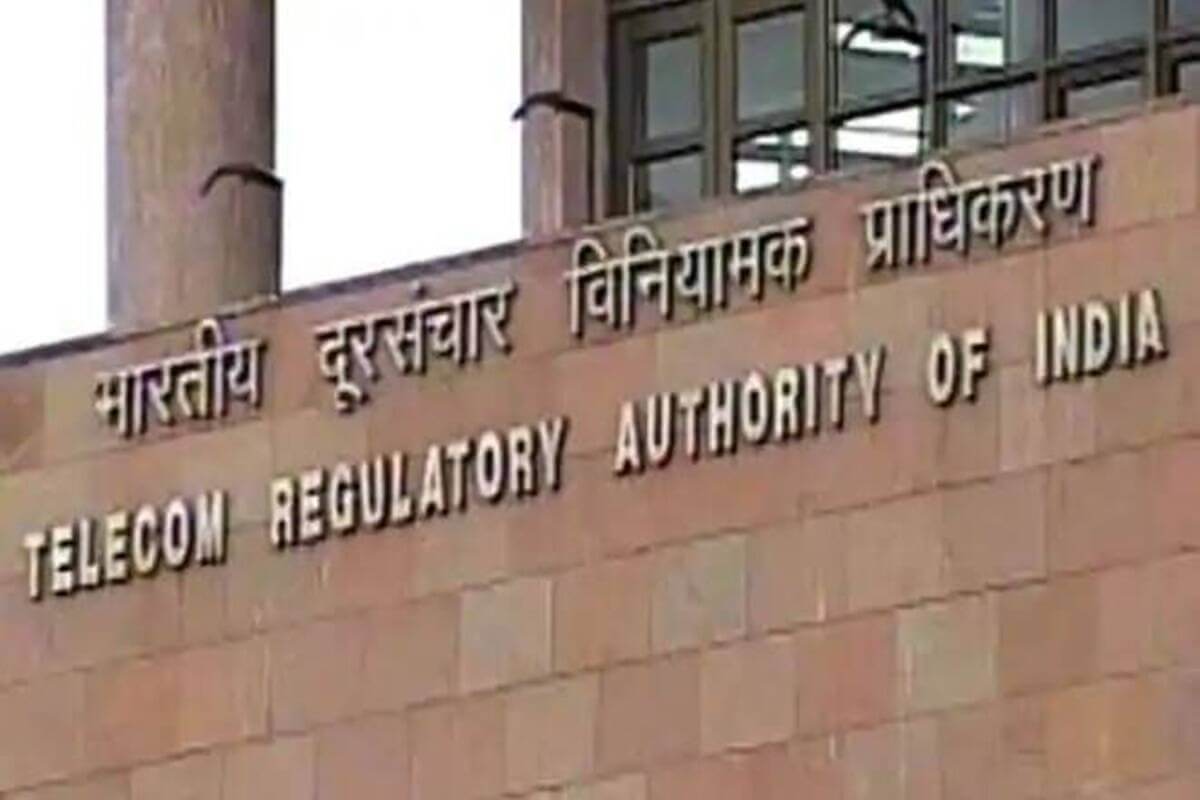
TRAI has introduced new consumer complaint redressal rules requiring telecom and internet service providers to strengthen customer support, enable app-based complaints and resolve consumer appeals within 15 days. The regulations also introduce round-the-clock complaint centres, accessibility provisions and financial disincentives for specified violations.
The Telecom Regulatory Authority of India (TRAI) issued the Telecom Consumers Complaint Redressal (Fourth Amendment) Regulations, 2026, on November 2. The changes will affect service providers including Reliance Jio, Bharti Airtel, Vodafone Idea and broadband operators covered by the regulations.
One important clarification for consumers: the 15-day deadline is for the Appellate Authority to decide an appeal. It is not a new blanket deadline for resolving every initial network, broadband or billing complaint.
TRAI’s New Complaint Redressal Rules: What’s Changing?
The amendment introduces several changes to how telecom and internet service providers handle customer complaints.
| New requirement | What it means for consumers |
|---|---|
| App-based complaint registration | Consumers can register complaints and appeals through the provider’s mobile application |
| 24-hour complaint centres | Customer support centres must operate round the clock |
| Minimum 16 hours of human assistance | Consumers must have access to human support for at least 16 hours every day |
| 15-day appeal decision | The Appellate Authority must communicate its final decision within 15 days of receiving an appeal |
| Shorter appeal filing window | Consumers generally have 15 days to file an appeal after the complaint-resolution deadline expires |
| Accessibility provisions | Dedicated support arrangements must be available for persons with disabilities |
| Consumer feedback surveys | Providers must collect feedback after complaints and appeals are closed |
| Financial disincentives | TRAI can impose financial disincentives for specified non-compliance |
15-Day Deadline: What Jio and Airtel Customers Need to Know
The most important consumer-facing change concerns the appeal process.
Under the revised framework, consumers will generally have 15 days to file an appeal after the prescribed deadline for resolving their original complaint has expired. The earlier period was 30 days.
Once the appeal is received, the service provider’s Appellate Authority must examine the grievance and communicate its final decision within 15 days. The provider must also act on the decision within the prescribed period.
This does not mean every complaint about slow broadband, network coverage, billing or service disruption must automatically be resolved within 15 days. The deadline for the initial complaint continues to depend on the applicable quality-of-service regulations.
Where no specific resolution period has been prescribed under the relevant quality-of-service regulations, the general complaint-redressal framework provides a limit of three days.
For consumers, the practical change is a more clearly defined and time-bound escalation process when the initial complaint is not satisfactorily addressed.
Customers Can Raise Complaints Through Mobile Apps
TRAI’s amendment formally expands the available digital channels for registering complaints, service requests and appeals.
Consumers will be able to use the service provider’s mobile application in addition to existing channels such as complaint centres, websites and web portals.
This is particularly relevant for customers of Jio, Airtel and Vi, who increasingly use operator applications to manage recharges, bills, broadband connections and account-related services.
The change is intended to make complaint registration and tracking more convenient. Consumers should retain their complaint docket number, registration date and time, and the expected resolution timeline. These details can help when escalating an unresolved issue.
Telecom Complaint Centres Must Provide 24/7 Support
Another major change is the requirement for complaint centres to remain available 24 hours a day, seven days a week.
However, round-the-clock availability does not mean that a human customer-care representative must be available throughout the entire day.
TRAI has allowed providers to use a combination of human representatives, automated systems and AI agents. Human assistance must be available for at least 16 hours daily, while technology-based support must operate under appropriate human oversight.
The framework also includes safeguards for automated customer support. Consumers should be informed when they are interacting with an AI agent, and the system must provide suitable options for reaching human assistance.
This could make a difference for customers who currently struggle to get a human representative when automated customer-care systems cannot resolve their problems.
New Accessibility Rules for Persons With Disabilities
TRAI has also introduced specific accessibility requirements for persons with disabilities.
Service providers must establish dedicated desks or helplines within their complaint or consumer-support centres, with personnel or assistive technology capable of receiving calls from persons with disabilities.
Their mobile applications, websites and portals must also incorporate accessibility features in accordance with applicable Government of India guidelines and standards.
The objective is to ensure that customers with disabilities can register complaints and access support without facing unnecessary barriers.
TRAI Introduces Consumer Feedback and Oversight Mechanisms
The new framework also places greater responsibility on telecom and internet service providers to monitor their complaint-handling performance.
After a complaint or appeal is resolved or closed, providers must conduct an online feedback survey. Consumers will be asked to rate their satisfaction on a five-point scale, ranging from fully satisfied to totally dissatisfied.
The survey results must be published on the provider’s website every quarter.
Providers will also have to submit quarterly reports on complaints, appeals and customer feedback to their chief executive or board of directors. This is intended to bring complaint redressal under closer management-level scrutiny.
Another provision requires service providers to establish Consumer Grievance Redressal Oversight Committees. These committees will include representatives of the service provider and registered consumer organisations, helping introduce consumer participation in the review of grievance-handling systems.
TRAI Can Impose Financial Disincentives for Violations
The amendment introduces financial disincentives for specified instances of non-compliance identified through regulatory audits, inspections, performance-report analysis or consumer feedback.
This gives TRAI an additional enforcement mechanism when providers fail to follow the complaint-redressal requirements.
The regulator can also impose financial disincentives for failure to submit quarterly performance reports or for submitting them late. Providers will be given an opportunity to respond before a financial disincentive is imposed, and TRAI can consider the circumstances while deciding the matter.
The new provisions are intended to make complaint-handling performance more measurable and improve accountability across service providers.
Which Telecom and Broadband Providers Are Covered?
The regulations cover access service providers and internet service providers operating within the scope of the amended framework.
For internet service providers, the applicability threshold is more than 10,000 subscribers as on the last day of the preceding financial year. The earlier alternative criterion based on annual financial turnover exceeding Rs 5 crore has been removed.
Internet providers with 10,000 or fewer subscribers are exempt from the amended framework’s applicability threshold, but they must still maintain a suitable complaint-redressal mechanism.
This means the rules are relevant to large broadband operators and telecom service providers, including Jio, Airtel and Vi, while smaller local internet providers may fall outside the amended requirements depending on their subscriber base and service category.
When Will the New TRAI Complaint Rules Come Into Effect?
The regulations have been issued on November 2, 2026, but the requirements do not all become operational on the same date.
The amendment provides for the regulations to come into force 30 days after publication in the Official Gazette. Certain provisions, including oversight committees, feedback surveys and performance reporting, have a separate 60-day implementation timeline. Requirements covering round-the-clock complaint centres, app and website facilities, and accessibility arrangements have a 90-day timeline.
Consumers should therefore expect a phased implementation rather than assuming that every new facility will be available immediately after the announcement.
How Consumers Can Escalate an Unresolved Telecom Complaint
The revised framework retains the two-level complaint redressal process.
- Register a complaint: Contact the service provider through its complaint centre, website, web portal or mobile application.
- Keep the docket number: Save the complaint reference number and the expected resolution date.
- Wait for the applicable deadline: The initial complaint must be addressed within the period prescribed under the relevant quality-of-service rules.
- File an appeal: If the complaint remains unresolved or the response is unsatisfactory, approach the provider’s Appellate Authority within the prescribed 15-day appeal window.
- Track the appeal: The Appellate Authority must communicate its final decision within 15 days of receiving the appeal.
TRAI does not directly handle individual customer complaints. Consumers must first approach their service provider and use its Appellate Authority if the complaint is not resolved satisfactorily.
What the New Rules Mean for Telecom Consumers
TRAI’s latest amendment is a broader overhaul of the telecom complaint redressal framework rather than simply a reduction in the complaint-resolution deadline.
For Jio, Airtel, Vi and broadband customers, the changes bring more digital complaint channels, round-the-clock support, a defined appeal decision timeline and stronger regulatory monitoring.
The actual benefit will depend on how effectively service providers implement the requirements. The 15-day appeal deadline is an important step, but consumers should continue to check the resolution timeline applicable to their particular complaint rather than assuming that every service issue must be fixed within 15 days.
