

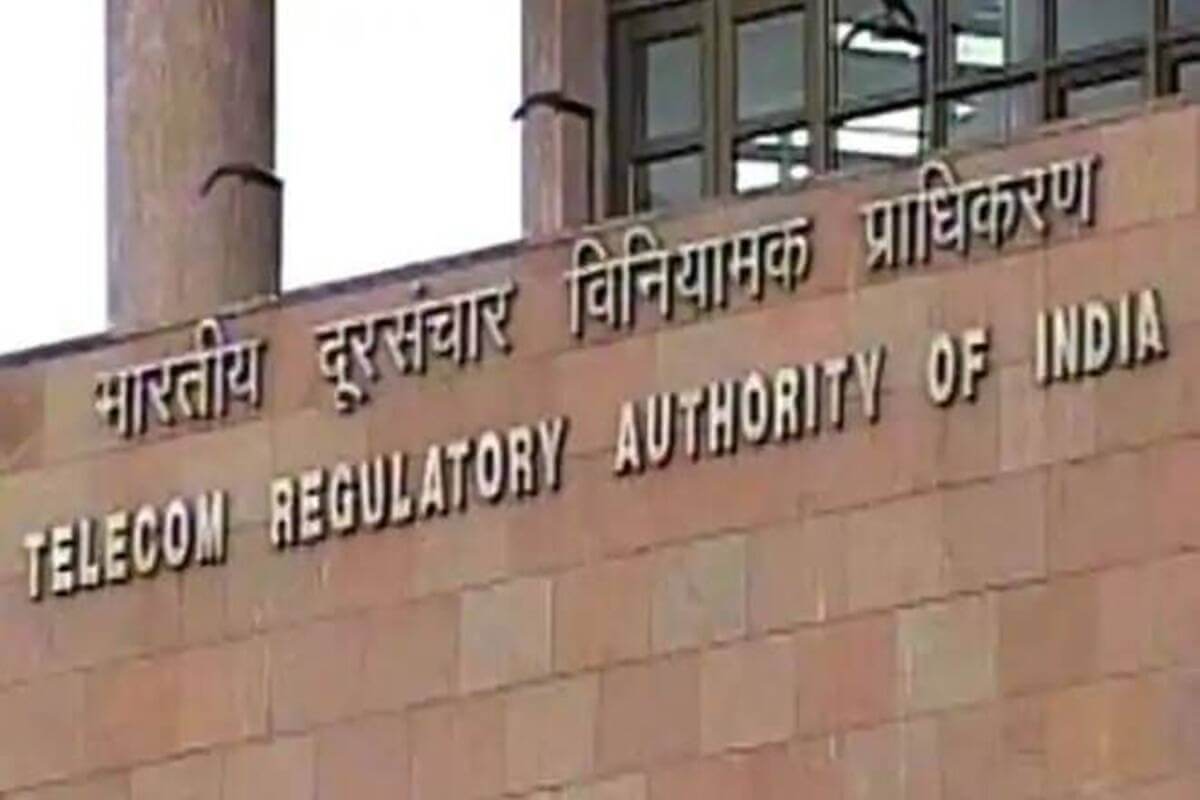
TRAI has notified new consumer protection rules requiring telecom operators to expand voice-and-SMS-only Special Tariff Vouchers across shorter validity periods. The framework also requires an appropriate tariff reduction for these plans, giving consumers more options to avoid paying for bundled data they do not need.
TRAI notifies 13th Consumer Protection Amendment
The Telecom Regulatory Authority of India has notified the Telecom Consumers Protection (Thirteenth Amendment) Regulations, 2026. TRAI’s regulations page records the amendment with a release date of September 22, 2026, while the notification itself is dated September 21. The rules will come into force 30 days after publication in the Official Gazette.
The amendment changes the existing framework for Special Tariff Vouchers (STVs), requiring telecom service providers to offer additional vouchers exclusively for voice calls and SMS. These plans are intended for subscribers who do not need mobile data as part of their recharge.
More short-validity voice and SMS plans required
Under the new rules, operators must provide voice-and-SMS-only STVs corresponding to their voice, SMS and data STVs with validity periods of less than 30 days. They must also provide a 30-day voice-and-SMS-only option and a plan that can renew on the same date every month. If that date does not exist in a particular month, the renewal date will move to the last day of that month.
Operators must additionally offer at least one longer-validity voice-and-SMS-only STV corresponding to a longer-validity bundled STV in their portfolio. This does not mean every single bundled data plan will require a separate voice-and-SMS equivalent; TRAI specifically decided against imposing a one-to-one requirement across all bundled validities.
The change is significant because TRAI found that voice-and-SMS-only vouchers introduced after the 2024 amendment were generally available only for longer periods, such as 80/84 days and 336/365 days. Shorter-validity voice-and-SMS-only vouchers had not been introduced by telecom operators, according to the regulator’s explanatory memorandum.
Voice and SMS-only plans must have appropriate price reduction
The amendment also addresses the pricing of these vouchers. Telecom operators are required to apply an appropriate reduction in the tariff when offering a voice-and-SMS-only STV compared with the corresponding voice, SMS and data voucher.
Importantly, the final regulation does not use the “largely proportional reduction” wording proposed in TRAI’s April draft. After considering industry responses, TRAI changed the final requirement to an “appropriate reduction” because the value of bundled data cannot always be calculated through a simple proportional formula, particularly for plans with daily data limits.
TRAI’s explanatory memorandum says operators can consider factors such as the data component of a bundled plan and average revenue realisation per GB when determining the reduction. The regulator has not fixed specific retail prices for the new voice-and-SMS-only vouchers.
Why TRAI wants more voice-only recharge options
TRAI said it received complaints and representations from consumers and consumer associations seeking shorter-duration voice-and-SMS-only vouchers. The regulator specifically identified low-income consumers, rural users, senior citizens and feature-phone users among the groups that may need affordable plans without bundled data.
The regulator noted that longer-validity voice-and-SMS-only plans require a relatively large upfront payment. Consumers who only need calling and SMS services could therefore face a choice between paying more upfront for a long-validity non-data voucher or selecting a bundled plan containing data they may not use.
TRAI also said the new voice-and-SMS-only vouchers are intended to supplement existing bundled plans, rather than replace them. Customers who want data will continue to be able to choose regular voice, SMS and data packs.
TRAI considered telecom industry concerns
The final rules follow a consultation process that attracted 1,132 responses from telecom operators, industry associations, consumer groups and other stakeholders. TRAI also held an Open House Discussion on June 15, 2026 before finalising the amendment.
Some stakeholders argued that there was insufficient demand for voice-and-SMS-only STVs across every validity period and raised concerns about the effect of lower-priced vouchers on telecom revenues and network investment. Others warned that cheaper short-validity SIM options could potentially increase spam or fraudulent use.
TRAI rejected the view that limited availability necessarily demonstrated a lack of demand, saying it could instead reflect gaps in existing market offerings and limited visibility of voice-and-SMS-only vouchers at customer touchpoints. The regulator also said existing anti-spam and fraud-prevention frameworks would continue to apply.
Jio, Airtel, Vi and BSNL will need to review their plans
The regulation applies to telecom service providers rather than naming individual operators. As a result, operators including Reliance Jio, Bharti Airtel, Vodafone Idea and BSNL will need to ensure their prepaid portfolios comply with the new framework.
For consumers, the practical impact will depend on the plans each operator introduces after the 30-day commencement period. The regulation does not itself announce specific recharge prices or guarantee that every existing bundled plan will receive a direct voice-and-SMS replacement.
Instead, operators will need to expand their non-data recharge options and determine appropriate pricing for those vouchers within the framework set by TRAI.
New rules could change prepaid recharge choices
The 13th Amendment marks a further expansion of the voice-and-SMS-only framework introduced by TRAI in December 2024. The earlier amendment required operators to offer at least one voice-and-SMS-only STV with validity of up to 365 days, but TRAI later found that operators had largely concentrated these offerings around longer validity periods.
The latest rules specifically address the shortage of shorter-duration options. Once the amendment takes effect, consumers who mainly need calling and SMS should have more flexibility to select a recharge based on their usage and budget rather than choosing a data-bundled plan by default.
The exact plans and prices will be determined by individual telecom operators, subject to TRAI’s new requirements.
